In the rapidly evolving world of fluid control systems, the electric ball valve stands out as a game-changer. According to John Smith, a recognized expert in valve technology, "The right electric ball valve can significantly enhance system efficiency." This statement underscores the importance of choosing the best product for various applications.
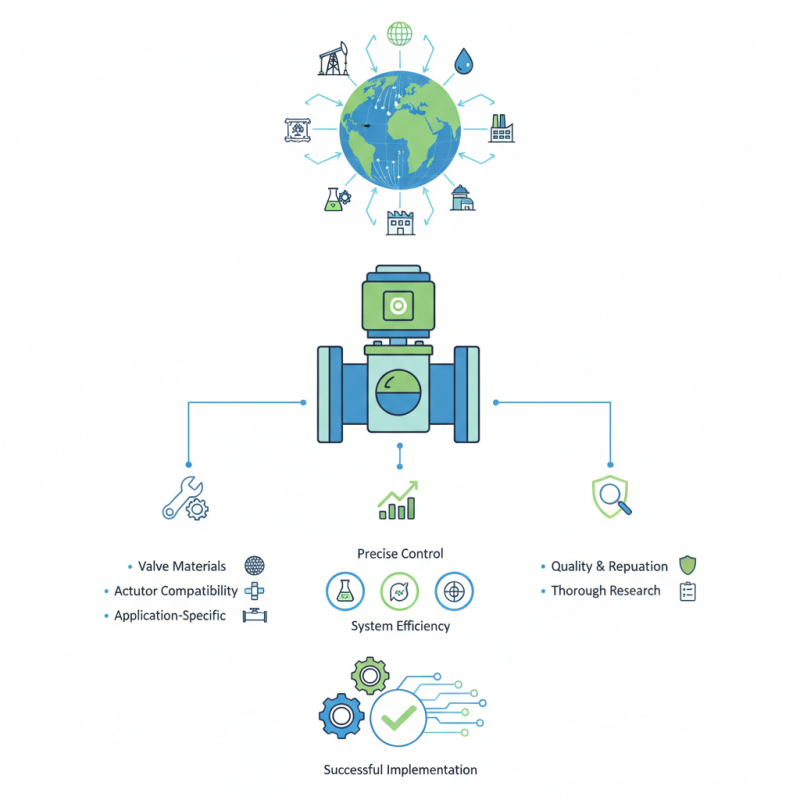
As global buyers navigate the market, understanding the nuances of electric ball valves is crucial. These devices offer precise control and quick operation, making them ideal for many industries, from oil and gas to water management. However, not all electric ball valves are created equal. Prospective buyers must consider factors such as valve materials, actuator compatibility, and application-specific requirements.
While many electric ball valves deliver exceptional performance, challenges remain. Some may face issues with installation or reliability under specific conditions. Buyers must conduct thorough research to select products that suit their unique needs. By focusing on quality and manufacturer reputation, decision-makers can avoid potential pitfalls and ensure a successful implementation.
Electric ball valves are essential components in modern fluid control systems. They offer precise control over fluid flow, making them ideal for various applications. Their design features a spherical disc that pivots, allowing or blocking flow. This efficient mechanism supports quick response times and reliable operation in diverse environments.
Recent industry reports indicate that the market for electric ball valves is expected to grow significantly. Analysts forecast a compound annual growth rate (CAGR) of over 7% by 2026. This growth is driven by rising demand in sectors such as water treatment and HVAC systems. The convenience of remote operation and automation further enhances their attractiveness in industrial applications.
Despite their advantages, electric ball valves pose some challenges. They require adequate power supply and can be sensitive to environmental conditions. Ensuring compatibility with existing systems is crucial. Regular maintenance is necessary to avoid issues that may arise from wear or corrosion. As more industries adopt these valves, understanding their functioning and potential pitfalls becomes vital for optimal use.
When selecting an electric ball valve, several key features should be taken into account. The voltage range is critical. Ensure it matches your existing systems for seamless integration. This can impact the valve's performance and reliability. Pay attention to the actuator type as well. Different actuators offer varying response times and torque levels.
Material choice is another essential factor. Look for valves constructed from durable materials to resist corrosion and wear. This is especially important in demanding environments. Then, consider the valve size and flow diameter. These dimensions directly affect the system's efficiency and capacity. A mismatch can lead to operational inefficiencies.
Lastly, assess the control options available. Some electric ball valves offer remote operation, enhancing usability. However, this can also introduce complexity. It's vital to weigh the benefits against potential troubleshooting challenges. Choosing the right valve involves more than just specifications. Reflect on your specific needs and objectives. This thoughtful approach can guide you to the best solution for your project.
As the demand for electric ball valves grows globally, comprehensive evaluations reveal several top brands for 2026. Reports indicate that the market for these valves is projected to reach approximately $4.2 billion by 2026, highlighting a significant demand surge. Key factors driving this growth include advancements in automation and the increasing need for energy-efficient solutions.
One notable aspect is the varying control mechanisms each manufacturer offers. Understanding these differences can be crucial for buyers. Some brands emphasize precision in flow control, while others may focus on the robustness of materials used. It's essential to weigh these features against your specific application needs. Look out for products that comply with international standards; such certifications generally enhance reliability.
Tips: Always assess the installation requirements of electric ball valves; improper installation can lead to inefficiencies. Consider maintenance aspects as well. A valve that seems perfect now might require frequent intervention if maintenance is complicated. Regularly reviewing industry reports can provide insights into emerging trends and quality indicators.
Electric ball valves are essential in various industries. Their installation requires careful consideration. Begin by ensuring proper alignment. The valve should fit seamlessly into the piping system. Misalignment can cause leaks and early failures. It’s advisable to use torque wrenches for precise fitting. Tighten bolts in a crisscross pattern. This method promotes even pressure distribution.
Regular maintenance is crucial for longevity. Check for signs of wear or corrosion. Lubricate moving parts periodically. This helps in maintaining smooth operation. Sensors should be tested often to ensure correct readings. Recalibrate if necessary. Operators sometimes overlook small issues, which can lead to bigger problems later. Keeping a log of maintenance tasks can provide valuable insights.
Installation and maintenance require skill and knowledge. If unsure, consulting an expert can be beneficial. Learning about the system’s needs and potential pitfalls improves reliability. Additionally, reflecting on past experiences can help avoid repeating mistakes. Understanding the nuances of electric ball valves ultimately enhances operational efficiency.
| Valve Type | Size (inches) | Voltage (V) | Material | Connection Type | Operating Temperature (°C) | IP Rating | Weight (kg) |
|---|---|---|---|---|---|---|---|
| Standard Electric Ball Valve | 1/2 | 110 | Brass | Threaded | -20 to 90 | IP65 | 1.5 |
| Electric Ball Valve with Actuator | 3/4 | 220 | Stainless Steel | Flanged | -10 to 100 | IP67 | 2.0 |
| Compact Electric Ball Valve | 1 | 24 | PVC | Socket Weld | 0 to 60 | IP54 | 1.2 |
| Full Port Electric Ball Valve | 2 | 120 | Carbon Steel | Welded | -10 to 120 | IP68 | 3.5 |
The global market for electric ball valves is evolving rapidly. Innovations in technology and increasing demand for automation drive this growth. Industries are seeking efficient solutions that enhance operational reliability and reduce costs. Recent advancements focus on smart features, enabling remote control and monitoring.
Manufacturers must adapt to changing consumer preferences. Sustainability is now a crucial factor. Companies are exploring eco-friendly materials and energy-efficient designs. However, the transition is not without challenges. Balancing performance with environmental responsibilities requires ongoing research. The industry's commitment to quality remains vital in maintaining customer trust.
As we look ahead, collaboration will play a significant role. Stakeholders must engage in knowledge sharing. This offers opportunities for developing more advanced products. Additionally, the global landscape is becoming more competitive. Companies need to strengthen their market presence through innovation and customer service. Each step forward should reflect a dedication to excellence and sustainability.
: Electric ball valves control fluid flow using a spherical disc that pivots. They are essential for modern systems.
They offer precise fluid control, quick response times, and reliable operation in various environments.
Industries like water treatment and HVAC systems rely on these valves for efficient operation.
Ensure proper alignment of the valve. Misalignment can cause leaks and lead to early failures.
Regularly check for wear, lubricate moving parts, and test sensors. Keeping a maintenance log is helpful.
They require a reliable power supply and can be sensitive to environmental factors. Compatibility is crucial.
The market is growing due to automation demand and technological innovations. Sustainability is becoming increasingly important.
Operators may dismiss minor issues, leading to significant problems later. Small signs of wear should be taken seriously.
They must innovate, focus on customer service, and incorporate eco-friendly materials into designs.
Knowledge sharing among stakeholders can foster advanced product development, enhancing competitiveness.
Electric ball valves are becoming increasingly popular due to their efficiency and reliability in controlling fluid flow. This guide delves into their functionality and the advantages they offer, such as precise control and reduced energy consumption. When selecting an electric ball valve, it's essential to consider key features such as size, material, and control type, ensuring compatibility with your specific application needs.
Furthermore, a comparative review of the top brands in 2026 highlights the advancements and innovations in design and technology within the sector. Proper installation and maintenance tips are crucial for maximizing the lifespan and performance of electric ball valves. Lastly, the guide discusses global market trends and the future outlook, emphasizing the growing adoption of electric ball valves in various industries as they continue to evolve and meet the demands for enhanced automation and control solutions.

Shoulong Valve