Best Ball Valve Types for Global Buyers Guide?

Time:2026-09-01 Author:Charlotte
0%

Selecting the right ball valve is crucial for various industries. A ball valve serves as an essential component in fluid control systems. It provides reliability and efficiency for both professionals and enthusiasts.

This guide explores the best ball valve types available globally. Options vary based on materials, sizes, and applications. Each type has unique features, catering to different needs.

Understanding each type allows for informed decisions. Some ball valves excel in specific environments. Others may not perform optimally under certain conditions. Consideration of these factors ensures better procurement decisions. Reflection on individual project needs is essential.
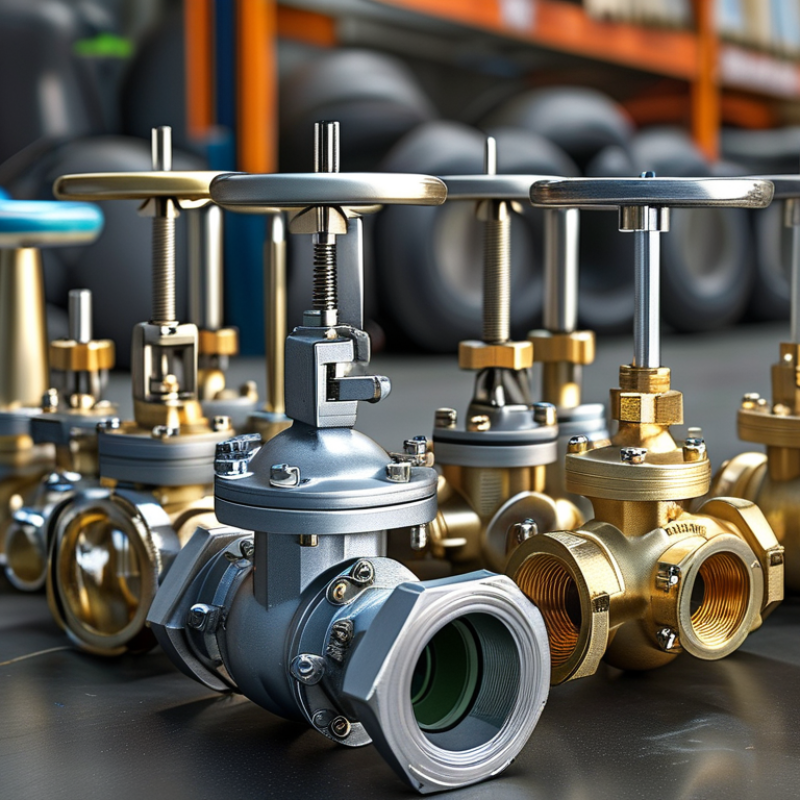
Best Ball Valve Types for Global Buyers Guide?

Overview of Ball Valve Types and Their Applications

Ball valves are essential components in various industries, serving specific functions based on their design. The two-piece and three-piece ball valves are among the most popular types. A two-piece valve consists of two main parts, which makes it simpler to replace. This design works well in low-pressure applications. In contrast, three-piece valves offer added durability and can manage higher pressures. They are ideal for applications requiring frequent maintenance.

Different materials affect ball valve performance. Stainless steel valves resist corrosion, making them suitable for the food and beverage sector. PVC valves are lightweight and cost-effective, commonly used in irrigation systems. Choosing the right material can greatly influence the valve’s longevity. Each application demands a careful evaluation of factors such as pressure, temperature, and fluid type.

However, many buyers overlook the importance of installation and maintenance. Properly installed valves function efficiently and enhance system reliability. Misaligned or improperly maintained valves can lead to leaks and reduced performance. Understanding these details is crucial for making informed decisions. Even experienced buyers should frequently review installation practices to ensure optimal functionality.

Key Factors to Consider When Choosing Ball Valves

When choosing ball valves, several critical factors come into play. The first step is to consider the material. Common options include stainless steel, brass, and PVC. Each material has unique characteristics, making it suitable for different applications. For example, stainless steel is ideal for high-pressure situations. PVC, however, is often best for corrosive fluids. Understanding your specific environment helps you make a better choice.

Another vital aspect is the type of ball valve. Available options range from floating to trunnion-mounted designs. Floating ball valves are versatile and commonly used for lower pressure systems. In contrast, trunnion-mounted valves are suitable for high-pressure applications, offering stability and precise operation. Evaluating the system pressure and temperature will guide your selection process.

Sealing arrangements should also not be overlooked. Different designs offer varying levels of leak prevention. Some valves use soft seats, providing excellent sealing at lower pressures. Other valves rely on hard seats for durability in more demanding conditions. Balancing the need for reliability and budget can be a challenge but is essential for long-term performance. It’s important to reflect on how each of these factors aligns with your project's requirements.

Materials Used in Ball Valve Manufacturing

When selecting the right ball valve, the materials used in its construction are critical. Common materials include stainless steel, brass, and PVC. Stainless steel is often chosen for its durability and corrosion resistance. It works well in high-pressure and high-temperature environments. Brass is another popular choice, especially for applications in water systems. It provides strength and excellent sealing properties. PVC is lightweight and ideal for chemical applications, although it may not withstand extreme temperatures.

Manufacturers often balance cost and performance when selecting materials. Choosing the right material can impact the valve's lifespan and functionality. However, not all materials suit every application. Understanding the specific needs of a project is essential. Some buyers might overlook how environmental factors affect material selection. Temperature fluctuations and chemical exposure can degrade certain materials over time.

This complexity highlights the importance of expert advice in the selection process. Buyers should consult manufacturers or industry specialists before making a decision. A wrong choice in materials can lead to operational failures. It's crucial to consider all variables for reliable and safe operations. Always prioritize the right material for the specific application. This can prevent costly mistakes and ensure the efficiency of the entire system.

Comparative Analysis of Different Ball Valve Designs

When evaluating different ball valve designs, a comparative analysis reveals several key factors to consider. Floating ball valves are often the most common type, praised for their simplicity and reliability. According to a recent industry report, they account for approximately 55% of the ball valve market. Their design allows the ball to float and seal against the downstream seat, making them effective for low-pressure applications.

In contrast, trunnion-mounted ball valves feature a more complex mechanism. They are equipped with a fixed shaft, which supports the ball at the top and bottom. This design is ideal for high-pressure and high-temperature environments, boasting a market share of about 30%. However, they can be more expensive and require regular maintenance, which might not justify their use in every scenario.

Moreover, the choice between a full port and a reduced port valve also impacts flow characteristics. Full port valves allow maximum flow area, minimizing pressure loss. However, they might not be necessary for all applications. Some experts suggest that reduced port valves can work efficiently in systems with lower flow requirements, highlighting the importance of understanding specific application needs. This nuanced approach emphasizes the need for careful consideration during selection, ensuring optimal performance and cost-effectiveness.

Global Market Trends for Ball Valves and Buyer Insights

The global ball valve market has shown significant growth, fueled by industrial expansion and the increasing demand for efficient fluid control systems. According to a recent industry report, the market is projected to reach $12 billion by 2025, exhibiting a compound annual growth rate (CAGR) of around 5.2% from 2023 to 2025. This upward trend is largely due to the rising demand in sectors such as oil and gas, water treatment, and power generation.

In terms of buyer insights, many industries prefer automated ball valves, which enhance operational efficiency. The preference for cryogenic ball valves is also on the rise, especially in the energy sector. A study indicated that nearly 40% of buyers are focusing on energy efficiency and reduced maintenance costs when selecting valves. While these preferences highlight evolving market needs, challenges persist. Not all buyers are aware of the best applications for each valve type, sometimes leading to suboptimal choices for their systems.

Additionally, the integration of smart technologies into valve systems offers potential improvements. However, the lack of standardization can complicate the purchasing process. Buyers often need to invest time in research and development to understand new technologies. This quest for knowledge reflects a broader trend of informed purchasing, essential for maximizing investment in ball valves.

Global Market Trends for Ball Valves (2023)

FAQS

: What are the common types of ball valves?

: The two-piece and three-piece ball valves are the most popular types. Each serves specific applications.

Why is material choice important for ball valves?

The material affects durability and corrosion resistance. Stainless steel, brass, and PVC are common materials.

Which material is best for high-pressure applications?

Stainless steel is ideal. It withstands high pressure and temperatures better than other options.

How does valve design affect performance?

Floating valves are versatile for lower pressures. Trunnion-mounted valves suit high-pressure situations better.

What should I consider for sealing arrangements?

Sealing arrangements vary. Soft seats are better for low pressure, while hard seats are for demanding conditions.

Can improper installation affect valve performance?

Yes, misaligned valves can lead to leaks and reduced efficiency. Proper installation is crucial for reliability.

How do environmental factors impact material selection?

Factors like temperature and chemical exposure can degrade materials. Always consider the environment when choosing.

Why is expert advice essential when selecting materials?

Expert input helps avoid costly mistakes. The wrong material can lead to operational failures in systems.

What can happen if I neglect maintenance?

Neglect can reduce performance and lead to leaks. Regular checks are vital for optimal functionality.

Is it important to review installation practices often?

Yes, even experienced buyers should review practices. It ensures valves continue to function correctly over time.

Conclusion

This article provides a comprehensive guide on the various types of ball valves and their applications across different industries. It highlights key factors to consider when selecting ball valves, such as operational pressure, temperature ratings, and installation requirements. Additionally, the article delves into the materials used in ball valve manufacturing, emphasizing the importance of choosing the right material for durability and performance.

Moreover, a comparative analysis of different ball valve designs is presented, outlining their unique advantages and limitations. The article also addresses global market trends for ball valves, offering valuable insights for buyers looking to make informed purchasing decisions. Overall, this guide serves as a crucial resource for global buyers seeking to understand the diverse ball valve options available to them.


Charlotte

Charlotte

Charlotte is a seasoned marketing professional with a deep understanding of the company's portfolio and a passion for elevating its presence in the market. With a keen eye for detail and a commitment to excellence, she ensures that our professional blog is regularly updated with insightful articles......