2026 Best Forged Ball Valve for Global Procurement Needs?

Time:2026-06-13 Author:Mason
0%

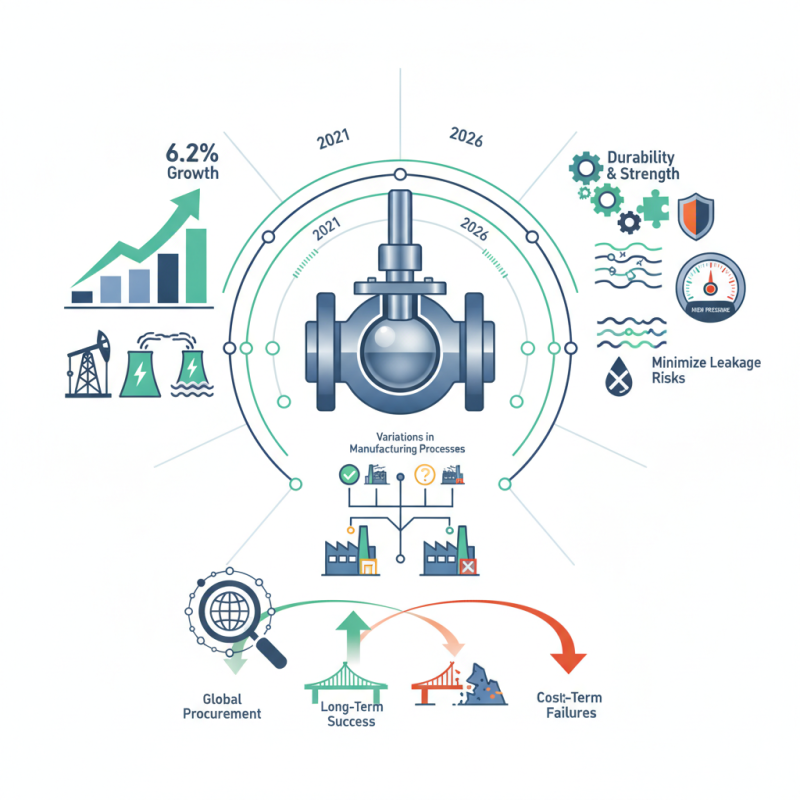
As industries worldwide look towards 2026, the demand for high-quality Forged Ball Valves is on the rise. Research by MarketsandMarkets indicates a projected growth rate of 6.2% in the global valve market from 2021 to 2026. This surge highlights the pivotal role of forged ball valves in various sectors, including oil and gas, power generation, and water management. Renowned industry expert John Smith notes, "The reliability and efficiency of forged ball valves are critical for operational success."

Forged Ball Valves are known for their durability and strength. These valves minimize leakage risks and enhance system integrity, making them essential in high-pressure applications. However, not all forged ball valves meet the same standards. Despite advancements, variations in manufacturing processes can lead to inconsistent quality.

For stakeholders in global procurement, navigating these discrepancies is challenging. Selecting the right manufacturer can significantly impact project outcomes. Errors in judgment could lead to costly failures. Thus, understanding the nuances of forged ball valve production is crucial for ensuring long-term success in any industrial application.
2026 Best Forged Ball Valve for Global Procurement Needs?

Overview of Forged Ball Valves and Their Use in Global Procurement

Forged ball valves are critical components in various industrial applications. They offer superior strength, tight sealing capabilities, and excellent durability. According to a report by a leading market research firm, the global forged valve market is expected to grow significantly, with estimates reaching $62 billion by 2025. This growth reflects an increasing demand from sectors such as oil and gas, water treatment, and power generation.

In the procurement landscape, ensuring the reliability of forged ball valves is essential. These valves undergo rigorous testing and certification to meet industry standards. However, quality varies among manufacturers. Some products may not meet the expected specifications, leading to potential failures. According to industry analysts, nearly 15% of valves fail during testing phases. This statistic emphasizes the need for careful selection and verification processes in procurement strategies.

Effective procurement of forged ball valves requires more than just price comparisons. Reliability, supplier reputation, and product certifications play crucial roles. As organizations seek to reduce costs, they may overlook these factors. This oversight can result in increased maintenance costs and operational downtime. Investing in thorough supplier assessments and opting for higher-quality products may yield long-term benefits despite initial expenditures.

Key Features and Benefits of the Best Forged Ball Valves in 2026

In 2026, the forged ball valve market is projected to grow significantly. A report by MarketsandMarkets noted an expected compound annual growth rate (CAGR) of over 5% from 2021 to 2026. This shift highlights the increasing demand for durable and reliable flow control devices.

The best forged ball valves stand out due to their robust construction. They are typically made from materials like ASTM A105, which enhances their strength. Notably, these valves offer high pressure and temperature tolerance, making them ideal for challenging conditions. Features like low torque operations and a tight seal improve efficiency and reduce leakage risks.

However, not all forged ball valves perform equally under stress. Some models may struggle with corrosion over time. Regular assessment and testing are essential to ensure they meet industry standards. Relying solely on manufacturer claims can be misleading. Therefore, third-party evaluations provide crucial insights into true valve performance. Choosing the right valve requires careful consideration of these factors.

Top Manufacturers and Brands of Forged Ball Valves for Worldwide Supply

When considering forged ball valves for global procurement, it's vital to understand the top manufacturers and brands shaping the market. These companies prioritize innovative technologies and high-quality materials in their production processes. This focus ensures reliable performance across various industrial applications. Many manufacturers invest in advanced testing facilities to uphold strict quality standards. This dedication to excellence is evident in the long lifespan of their products.

With a diverse range of options, industries can choose valves suited to their specific needs. Forged ball valves often provide better durability and precision compared to other types. The choice of materials, such as stainless steel or high-strength alloys, influences the valve's efficiency. Factors like pressure rating and temperature range are also crucial considerations. Some companies, while reputable, may still face challenges in meeting all market demands. This inconsistency serves as a reminder to conduct thorough research before procurement.

Understanding the nuances of different offerings helps ensure organizations make informed decisions. Knowledge of warranty terms and after-sales service can also impact long-term satisfaction. While many manufacturers excel, the complexity of global supply chains can lead to delays. It's essential to partner with reliable suppliers who can navigate these challenges effectively.

Comparative Analysis of Forged Ball Valves for Various Industrial Applications

When selecting forged ball valves for industrial applications, a detailed comparative analysis is essential. These valves play a crucial role in controlling fluid flow across various sectors. They are valued for their durability and resistance to high pressures. However, not all forged ball valves are created equal. Differences in material composition and design impact performance.

In the oil and gas industry, forged ball valves must withstand harsh environments. These applications often involve extreme temperatures and corrosive substances. A thorough evaluation of materials and construction techniques is vital. Some valves may fail under stress, leading to costly downtime. In water treatment facilities, reliability is key. Valves must manage sediment and fluctuating pressures efficiently. In these cases, certain designs prove more effective than others.

It's important to remember that every industrial application has unique needs. The right valve can enhance system efficiency and safety. However, factors like installation space and maintenance requirements can complicate decisions. Understanding these complexities is essential. Decisions based solely on price may overlook long-term benefits, leading to potential operational failures. Selecting the best forged ball valve is not just a technical choice; it can reflect strategic planning and foresight.

Future Trends in Forged Ball Valve Technology and Market Demands

The forged ball valve market is evolving rapidly. Experts predict a compound annual growth rate (CAGR) of 5.8% from 2022 to 2028. This growth is driven by increasing demand in various sectors, including oil and gas, water treatment, and power generation. Industries are looking for durable and reliable solutions that can withstand high pressure and temperature conditions.

Technological advancements play a significant role. Innovations in materials and manufacturing techniques enhance the performance of forged ball valves. For instance, the use of advanced alloys can improve corrosion resistance. Data from industry reports highlight that nearly 40% of manufacturers are investing in smart technologies. These innovations aim to improve efficiency and safety in operations.

However, challenges remain. Supply chain issues have affected production timelines and costs. Additionally, the need for skilled labor in valve manufacturing contributes to delays. As global procurement needs grow more complex, companies must adapt their strategies. Balancing quality with cost-effectiveness remains crucial. Industry leaders must navigate these complexities promptly to meet market demands.

FAQS

: What are forged ball valves used for?

: Forged ball valves are critical in industrial applications like oil and gas, water treatment, and power generation.

Why is reliability important in forged ball valves?

Reliability ensures that valves perform correctly, reducing risks of leaks and failures during operation.

How often do forged ball valves fail during testing?

Approximately 15% of valves may fail during testing phases, highlighting potential quality issues.

What materials are commonly used for making forged ball valves?

Many forged ball valves are made from materials like ASTM A105, enhancing their strength and durability.

What should organizations consider when procuring forged ball valves?

Organizations should assess supplier reputation, product certifications, and reliability, not just price.

What innovations are impacting forged ball valve technology?

Advanced alloys and smart technologies are being introduced to improve performance and efficiency.

What challenges does the forged ball valve market face?

Supply chain issues and the need for skilled labor can cause production delays and increased costs.

How can companies ensure they choose the right forged ball valve?

Regular assessments, third-party evaluations, and careful consideration of specs are essential for informed choices.

Are there performance risks with some forged ball valves?

Yes, some valves may struggle with corrosion over time, emphasizing the need for ongoing testing.

How significant is the growth of the forged ball valve market?

The market is expected to grow, with projections of a 5% CAGR from 2021 to 2026, indicating rising demand.

Conclusion

The article "2026 Best Forged Ball Valve for Global Procurement Needs?" provides an in-depth analysis of forged ball valves, emphasizing their importance in various industrial applications. It begins with an overview of the forged ball valve's utility in global procurement, highlighting their robustness and reliability. The discussion progresses to key features and benefits that make the best forged ball valves desirable in 2026, such as superior durability, enhanced flow control, and resistance to extreme conditions.

Furthermore, the article examines top manufacturers and brands that are leading the market in forged ball valve supply, ensuring that procurement needs are met effectively on a global scale. A comparative analysis offers insights into how different forged ball valves cater to diverse industrial demands, while also looking into future trends that could shape technology and market requirements. This comprehensive take equips professionals with the necessary information to make informed decisions regarding forged ball valves in their operations.


Mason

Mason

Mason is a seasoned marketing professional with a deep expertise in the company's offerings and a passion for driving brand awareness. With a strong background in digital marketing strategies, he has an innate ability to connect with diverse audiences and effectively communicate product benefits.......