Who Are the Best Forged Ball Valve Manufacturers in China?

Time:2026-11-05 Author:Amelia
0%

Choosing among China’s forged ball valve manufacturers takes more than comparing prices or polished product photos. The market includes large exporters, specialist factories, and smaller suppliers with different capabilities. A suitable manufacturer should match the valve’s material, pressure rating, connection type, operating conditions, and required documentation.

Look closely at manufacturing evidence. Ask whether the supplier can provide material certificates, dimensional inspection records, pressure-test reports, and traceability for key components. Factory audits and clear responses to technical questions can also help distinguish established production capacity from sales claims. Details matter. A forged body, for example, should be assessed against the actual service conditions, not treated as an automatic guarantee of performance.

This guide explains how to evaluate leading manufacturers in China and compare their products on practical criteria, including quality control, customization, delivery support, and after-sales communication. It does not assume that one company is best for every project. That would be too simple. A supplier suited to standard industrial service may not fit a demanding application or a buyer’s inspection requirements. Company rankings can also change as product lines, personnel, and factory practices evolve. Use the shortlist as a starting point, verify current capabilities directly, and confirm that each proposed Forged Ball Valve meets the project specification before placing an order.
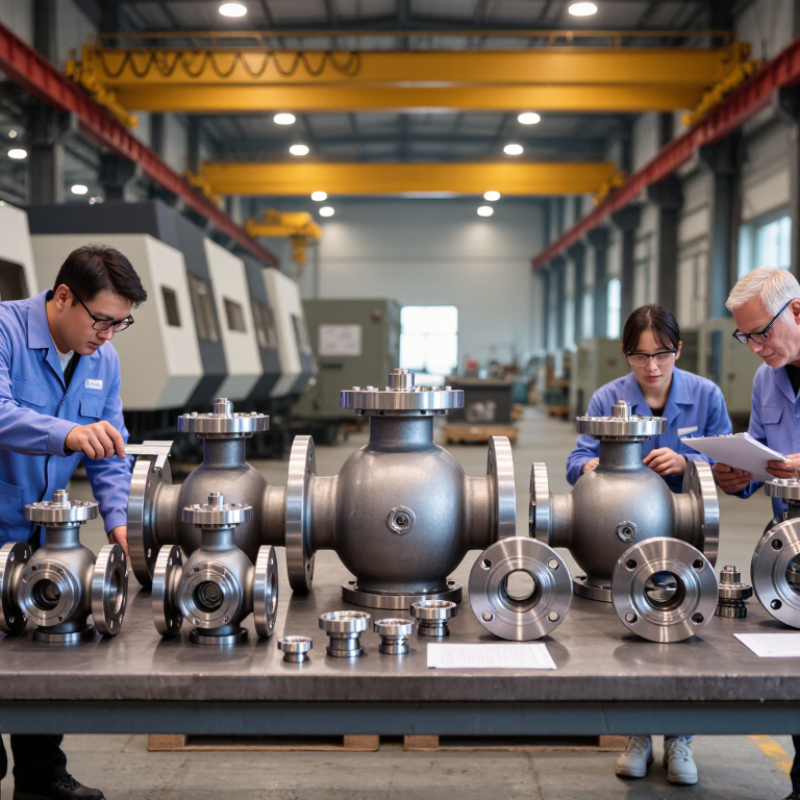
Who Are the Best Forged Ball Valve Manufacturers in China?

What Forged Ball Valves Are and Where They Are Used

A forged ball valve uses a body shaped from heated metal under pressure, rather than cast in a mold. This process can produce a dense, strong body, though performance still depends on design, materials, and manufacturing quality. Inside, a drilled ball turns a quarter turn to open or block flow. Seats seal around the ball, while the stem transfers motion from the handle or actuator. Simple in principle. Not careless in service.

These valves are commonly used on high-pressure lines in oil and gas facilities, power plants, chemical processing, and industrial equipment. Smaller forged valves often fit compact pipework, instrument connections, and demanding isolation points. The right choice depends on pressure, temperature, fluid properties, connection type, and how often the valve will operate. A valve suitable for clean water may not suit hot steam or a corrosive process fluid. That distinction is easy to overlook. Confirm the specified material and pressure rating against actual operating conditions, not just the pipe size.

Tips: Check the body and trim material, seat compatibility, and pressure rating before ordering. Ask for traceable inspection records and clear test documentation. If the line carries abrasive or corrosive media, discuss wear and sealing limits with a qualified engineer. No valve lasts forever. Regular inspection can reveal leakage, stiff operation, or damage before it becomes a larger maintenance problem.

How Forged Ball Valve Manufacturers Are Evaluated

Evaluating forged ball valve manufacturers starts with traceable evidence, not polished sales claims. Ask how each valve’s heat number connects to material certificates, production records, and final inspection. A forged body should have documented material composition and heat treatment, while machining records should show how critical dimensions are controlled. Look closely. A factory visit can reveal whether inspection tools are calibrated and whether rejected parts are clearly separated from accepted stock.

Testing deserves specific questions. Request procedures and sample reports for shell pressure, seat leakage, and operating torque tests. Check that reports identify the valve size, pressure rating, test medium, and equipment used. A single clean report is not proof of consistent production; it is only one data point. Ask how batches are sampled and how failures trigger corrective action. Also review drawing control, change notices, spare-part availability, and delivery records. These details may seem less technical, but they affect maintenance years later. No supplier is flawless, and a brief audit can miss problems. Compare evidence across several orders, then note what remains uncertain before making a decision.

Leading Forged Ball Valve Manufacturers in China

China has a broad base of forged ball valve manufacturers, but capability varies by product range and factory. Strong suppliers can explain how they control forging, heat treatment, machining, and assembly. Ask how each valve is tested, not just whether it passes inspection. Details matter.

For demanding service, review material certificates, pressure-test records, and traceability from raw material to finished valve. Check whether the manufacturer can provide drawings, pressure ratings, temperature limits, and seat-material options for your actual operating conditions. A polished brochure is not proof. Request sample documents and confirm that test procedures match the valve’s intended use.

Production equipment matters, but consistent process control matters more. A factory visit or independent inspection may reveal how workers check dimensions, finish sealing surfaces, and protect valves before shipment. Also ask about lead times, spare parts, and how technical questions are handled after delivery. No supplier is ideal for every project. Buyers should compare evidence carefully, since a lower quotation can leave important testing or documentation unclear. A useful evaluation stays specific: valve size, pressure class, media, temperature, and installation environment.

Who Are the Best Forged Ball Valve Manufacturers in China? – Leading Forged Ball Valve Manufacturers in China

Use this standards-based checklist to evaluate manufacturers. The entries below describe recognized valve standards and commonly specified technical options; they do not rank or make claims about individual companies.

Evaluation dimension What to check Relevant standard or reference Why it matters
Valve design Confirm whether the product is designed as an industrial metal ball valve or a pipeline valve, and verify the stated design basis. API 608; API 6D; ASME B16.34 The applicable standard depends on the valve’s service and intended installation.
Pressure class Check the specified ASME pressure class, such as Class 150, 300, 600, 900, 1500, or 2500, and confirm suitability at the actual operating temperature. ASME B16.34 Pressure rating is temperature-dependent; class number alone is not a working-pressure value.
Body material Request the material grade and material test documentation. Common forged choices include ASTM A105 carbon steel and ASTM A182 F304/F316 stainless steel grades. ASTM A105; ASTM A182 Material selection should match the fluid, temperature, pressure, and corrosion conditions.
End connections Verify the required connection type: threaded, socket-weld, butt-weld, or flanged. Confirm dimensions and facing details on the drawing. API 608; ASME B16.5; ASME B16.25; ASME B16.11 Connection standards help ensure compatibility with the piping system.
Inspection and testing Ask for the test procedure and records, including shell and seat test results, acceptance criteria, and traceability to the supplied valve. API 598 Documented testing provides evidence that the finished valve was inspected against stated requirements.
Fire-safe design If required by the service, confirm the exact valve design has a valid fire-test qualification and identify the tested configuration. API 607; API 6FA Fire-safe qualification is relevant where project specifications or operating risks require it.
Stem emissions For emissions-controlled applications, check whether the valve has been tested to the project’s specified fugitive-emissions class and conditions. ISO 15848-1 Test classification and conditions should be compared with the actual project requirement.
Seat and sealing materials Identify the seat, packing, and gasket materials, and verify their compatibility with the medium and operating temperature. Manufacturer data sheet and project material specification Sealing performance depends on both material compatibility and service conditions.
Quality documentation Review the quality plan, inspection records, material certificates, and product traceability documents required by the purchase specification. Project specification; applicable material and inspection standards Clear documentation supports inspection, acceptance, and lifecycle traceability.
Actuation and options Confirm manual or actuated operation, mounting interface, required accessories, and any specified locking or position indication features. Project specification and approved valve drawings The complete assembly must meet installation and control-system requirements.

Note: Standards, editions, test requirements, and material grades should be confirmed against the current project specification and the manufacturer’s supporting documents.

How Chinese Manufacturers Differ in Products and Services

Chinese forged ball valve manufacturers differ in material options, machining control, testing, and after-sales support. Some focus on standard carbon-steel and stainless-steel valves; others offer alloy grades, custom dimensions, or tighter delivery coordination. Buyers should check whether quotations specify pressure class, temperature range, end connections, and applicable design standards, such as ASME B16.34. Details matter.

Grand View Research’s Industrial Valves Market Size, Share & Trends Analysis Report estimated the global industrial valves market at USD 76.4 billion in 2023, with projected annual growth of 4.8% from 2024 to 2030. This broad market figure does not isolate forged ball valves, but it signals a competitive, expanding sector. It should not be treated as proof that any supplier has superior quality.

Service differences often appear in the paperwork and the factory floor. Ask for material test certificates, heat-number traceability, pressure-test records, and a clear inspection plan. A capable supplier should explain what each test covers, not simply promise “full inspection.” Some manufacturers provide detailed drawings and sample reports; others respond faster but offer less documentation. That trade-off is easy to miss. Compare warranty terms, spare-parts support, and response times in writing, and verify claims against the actual order. Factory visits can help, though a polished tour alone proves little.

How to Choose the Right Manufacturer for Your Project

Choosing a forged ball valve manufacturer starts with your operating conditions, not a catalogue photo. Define pressure, temperature, media, cycle frequency, and end connections before comparing quotations. Forged bodies can suit demanding service, but material grade and design still need to match the application. NACE International’s 2016 IMPACT study estimated corrosion costs at US$2.5 trillion annually, or about 3.4% of global GDP. That broad estimate is not valve-specific, but it shows why corrosion-resistant materials and documented selection matter.

Check whether the manufacturer can provide material test certificates, heat-number traceability, dimensional inspection records, and pressure-test results for the exact valve configuration. Ask how critical steps are controlled: forging, heat treatment, machining, assembly, and final testing. Confirm applicable requirements, such as API 6D or ISO 17292, when relevant to your project. Certificates alone are not proof of consistent production. A useful caution: polished paperwork can still hide a rough sealing surface or poor machining finish. Request sample records and clarify inspection acceptance criteria.

Tips: Send a real duty specification, not just a valve size. Ask for drawings, lead-time assumptions, and a clear list of exclusions. Check references for similar fluids and operating conditions. Traceability matters. Allow time to review the test plan before production; late changes can be costly, and even experienced buyers sometimes overlook small connection details.

FAQS

What details should I define before requesting a quotation?

Specify pressure, temperature, fluid, operating cycles, and end connections. A valve size alone is not enough.

Which documents should I request from a manufacturer?

Ask for material certificates, heat-number traceability, dimensional inspection records, and pressure-test results. Request records for your exact configuration.

How can I assess a manufacturer’s production controls?

Ask how forging, heat treatment, machining, assembly, and final testing are controlled. Details matter.

Do certificates alone prove consistent valve quality?

No. Compare sample records with inspection criteria and, when possible, review the finished valve’s sealing surface.

What should I check when comparing quotations?

Confirm pressure class, temperature range, materials, end connections, standards, delivery assumptions, and exclusions. Small details can change the order.

How should I judge a factory visit?

Look at the actual inspection process and production records. A polished tour alone proves little.

What service terms should I compare?

Check warranty coverage, spare-parts support, and response times in writing. I may trust a quick reply too much; verify it against the order.

When should I review the inspection plan?

Review it before production starts. Late changes can be costly, and connection details are easy to overlook.

Conclusion

This article explains what a Forged Ball Valve is and why it is used in demanding applications where strength, pressure resistance, and dependable shutoff are important. It outlines how manufacturers can be evaluated through factors such as material quality, production capabilities, testing procedures, certifications, technical support, and delivery reliability. Rather than focusing on brand names, it describes the qualities buyers can look for when comparing leading manufacturers in China.

The article also explores how manufacturers may differ in valve designs, materials, customization options, service, and pricing. To choose the right supplier, project teams should consider operating conditions, required specifications, quality documentation, communication, and long-term support. A careful comparison of these factors can help buyers select a manufacturer whose products and services suit the project’s technical needs and budget.

Amelia

Amelia

Amelia is a seasoned marketing professional with a wealth of expertise in our company’s core offerings. With an unwavering passion for driving growth and innovation, she plays a pivotal role in shaping our marketing strategies and enhancing brand visibility. A key aspect of her responsibilities......