In industrial applications, Gear Valves play a crucial role in fluid control. These valves ensure precision in managing high-pressure systems. The variety of gear valves available can be overwhelming. Choosing the right one requires understanding specific needs and applications.
Different industries apply gear valves in various ways. For example, in oil and gas, they manage the flow of hazardous materials. In water treatment, they regulate water distribution efficiently. However, not all gear valves perform equally. Some may struggle under extreme conditions, leading to potential failures.
Selecting the best gear valves involves evaluating their material, design, and performance under stress. Noticing minor flaws in a valve's operation can be vital. Neglecting these details might result in significant long-term repercussions. Ultimately, an informed choice ensures operational efficiency and reliability in every system.
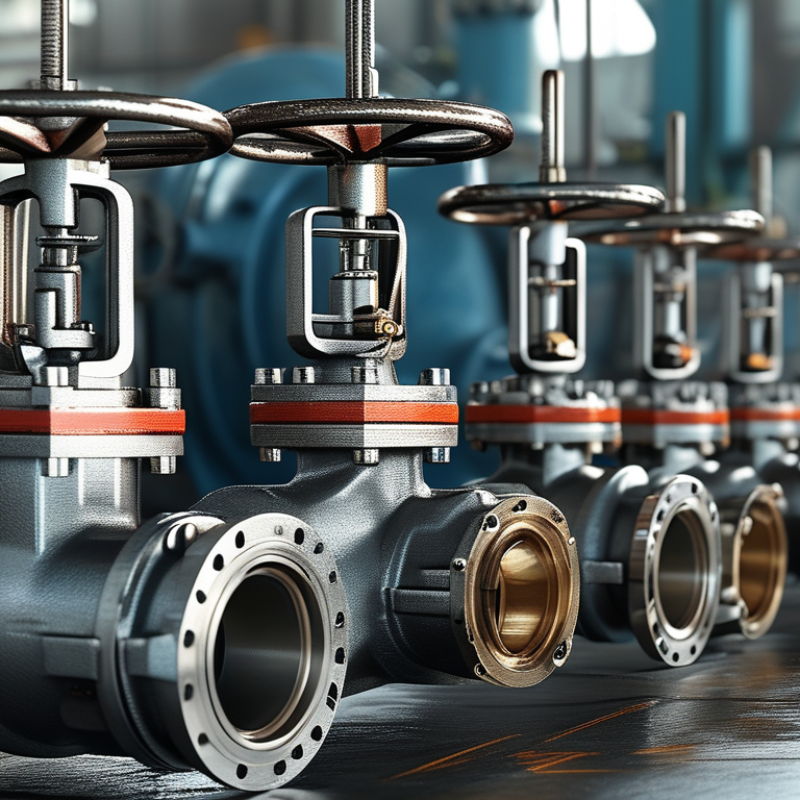
Gear valves are essential components in industrial settings. They control fluid flow and are vital for maintaining processes. Proper functioning of gear valves ensures efficiency and safety in operations. These valves are advantageous in high-pressure systems. They are designed to handle significant torque, making them reliable for tough applications.
Tips: Regular maintenance of gear valves is critical. Inspect for wear and tear periodically. Address small issues before they escalate. This practice prolongs the life of your equipment.
The importance of gear valves extends beyond simple flow regulation. They play a crucial role in system control. For example, in liquid transfer systems, effective control of flow rates prevents spills and accidents. Gear valves also reduce the risk of backflow, which can damage equipment.
Tips: Always assess the compatibility of gear valves with system fluids. Not all materials withstand specific chemicals. Choose valves made of appropriate materials for your operation. This choice boosts reliability and performance.
In industrial applications, gear valves play a crucial role in controlling fluid flow. These valves utilize a combination of gears and a rotating spindle to manage the opening and closing mechanism. Among the most commonly used types are bevel gear valves and worm gear valves. Bevel gear valves are favored for their compact design and ease of operation. They provide smooth movement, even in high-pressure situations, making them ideal for various industrial setups.
Worm gear valves are known for their durability and reliability. They can handle substantial force and are less likely to suffer from wear. This makes them suitable for applications involving thick or viscous fluids. Both types of valves require regular maintenance to ensure optimal functioning. Neglecting this aspect may lead to performance issues. Operators should consider the specific needs of their system before choosing a valve type.
Understanding the operational environment is essential when selecting gear valves. Factors like temperature, pressure, and fluid type must be evaluated. Some industries may overlook these details, which can lead to costly mistakes. Regular assessments can prevent unexpected downtime and ensure smooth operations. Adapting to these requirements can significantly enhance operational efficiency.
| Valve Type | Application | Operating Pressure (psi) | Temperature Range (°F) | Material |
|---|---|---|---|---|
| Butterfly Gear Valve | Water Treatment | 150 | 32 - 150 | PVC |
| Gate Gear Valve | Oil & Gas | 3000 | -20 - 400 | Carbon Steel |
| Ball Gear Valve | Chemical Processing | 600 | -40 - 250 | Stainless Steel |
| Plug Gear Valve | Pharmaceuticals | 150 | 5 - 300 | Bronze |
| Diaphragm Gear Valve | Food Processing | 120 | 0 - 150 | PTFE |
Choosing the right gear valves for industrial applications is crucial. Several key features can impact their performance. First, durability is essential. High-quality materials resist wear and tear during operation. Look for valves made from metals or high-grade plastics.
Another vital feature is the gear ratio. This affects the torque and speed of valve operation. A higher gear ratio often provides more torque, beneficial for heavy-duty applications. However, it may slow down operation. Balance between speed and force is key.
Tips: Always assess the working environment. High temperatures or corrosive substances can affect valve choice. Consider maintenance ease too; some valves are easier to repair than others.
Flow control capability is also worth examining. Precision in flow regulation can enhance efficiency. Too much flow can lead to system complications. Too little can hinder performance.
Keep in mind, there’s no one-size-fits-all solution. Industry requirements vary. Reflect on operational needs carefully before making a decision. Analyze every option’s performance metrics against your specific application. No valve is perfect. A thoughtful approach ensures better outcomes.
Gear valves play a crucial role in various industrial sectors, from oil and gas to food processing. In oil refineries, these valves control flow under high pressure, ensuring safety and efficiency. Precision is essential; a minor error can lead to significant setbacks. Handling corrosive substances requires special attention to material selection.
In the food industry, hygiene standards are paramount. Gear valves must prevent contamination while allowing for precise control of viscous fluids. The challenge lies in maintaining a balance between effectiveness and compliance with health regulations. A malfunction might compromise product quality, necessitating regular inspections and updates.
Chemical processing relies heavily on gear valves for safe operation. They manage aggressive chemicals and high temperatures. However, the reliability of these valves can be a double-edged sword. Aging components may fail unexpectedly. Continuous monitoring and proper maintenance become critical. Addressing these issues requires a skilled workforce and expertise in valve technology.
Gear valves are essential in various industrial applications. Proper maintenance is crucial for optimal performance. Regular inspections can help identify issues early. Look for signs of leakage or unusual noise during operation. These can indicate wear and tear, which, if left unaddressed, may lead to bigger problems.
Troubleshooting gear valves in the field requires a keen eye. Start by checking the alignment of the valve. Misalignment can cause excessive strain, leading to premature failure. Ensure that all connections are secure and that no debris is obstructing movement. Sometimes, simple fixes like tightening bolts can resolve operational issues.
Maintaining a log of maintenance activities is vital. This record provides insights into performance trends and helps plan future maintenance. Regularly scheduled maintenance intervals can prevent unexpected shutdowns. However, it is essential to remain flexible. The industrial environment is unpredictable, making it necessary to reassess maintenance plans based on real-time observations.
: Bevel gear valves and worm gear valves are commonly used.
They have a compact design and operate smoothly under high pressure.
They are durable and can handle substantial force without excessive wear.
It may lead to performance issues, causing unexpected downtime.
Temperature, pressure, and fluid type are critical for making the right choice.
Regular maintenance can prevent issues like leaks and ensure smooth operation.
Alignment, connections, and any debris that may obstruct movement are crucial points.
A higher gear ratio boosts torque but may reduce operational speed.
No, requirements vary widely; assessing each application is necessary for the best choice.
It helps track performance trends and informs future maintenance plans.
Gear valves are essential components in industrial settings, offering precise control over fluid flow. Their unique design provides advantages such as high durability and reliable performance under various pressure conditions. Common types of gear valves used in industrial applications include gate, globe, and butterfly valves, each suited to specific needs based on factors like flow direction and pressure handling.
When selecting gear valves for industrial use, it's crucial to consider features such as material compatibility, size, and pressure ratings. These valves find applications across multiple sectors, including oil and gas, water treatment, and chemical processing. Regular maintenance and troubleshooting practices are vital for ensuring optimal functionality, minimizing downtime, and extending the lifespan of gear valves in the field.

Shoulong Valve