In the world of industrial valves, the "High Temp Ball Valve" stands out due to its crucial role in high-temperature applications. As noted by industry expert Dr. Emily Harper, "Choosing the right High Temp Ball Valve can make a significant difference in system efficiency." Her insights reflect the increasing importance of selecting appropriate materials and construction for durability.
High-temperature environments, such as those found in oil and gas or power generation, demand reliable valve performance. High Temp Ball Valves are designed to withstand extreme conditions, ensuring operational integrity. Understanding the specifications, like material types and temperature ratings, is vital for end-users.
However, not all High Temp Ball Valves are created equal. Manufacturers offer various designs, which can complicate the selection process for global buyers. It's essential to evaluate the requirements meticulously. Every detail matters, from installation to maintenance. Buyers should seek knowledgeable suppliers who can provide reliable advice tailored to their unique applications.
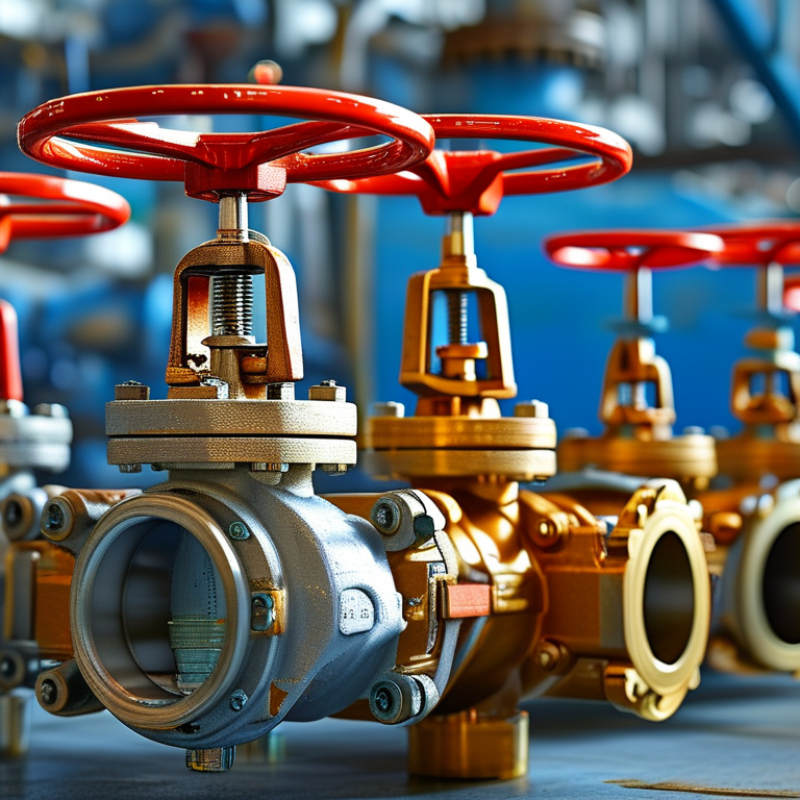
Understanding High Temperature Ball Valves: Key Features and Benefits
High temperature ball valves are crucial in various industries, especially in oil and gas, chemical processing, and power generation. Their ability to withstand elevated temperatures enables secure fluid control in extreme conditions. According to a recent industry report, the global high-temperature valve market is projected to reach $6 billion by 2026, reflecting the growing demand for reliable equipment.
Key features of high temperature ball valves include robust materials, specialized seals, and excellent flow characteristics. These valves are often made of high-grade alloys or stainless steel, ensuring resistance to corrosion and thermal fatigue. A study from the Valve Manufacturers Association indicates that materials significantly affect the valve's longevity and overall performance. This data highlights the importance of selection based on application needs.
The benefits are substantial. High temperature ball valves enhance operational safety. They minimize the risk of leakage in harsh environments. However, it's essential to consider the challenges. High temperatures can lead to thermal expansion, which may affect the valve's sealing capacity. Selecting the right valve requires an understanding of these dynamics to prevent potential failures. Balancing performance and durability is not always straightforward.
Factors to Consider When Choosing High Temp Ball Valves for Your Needs
When selecting high temperature ball valves, several factors demand your attention.
First, consider the material. Valves must withstand extreme conditions.
Common materials include stainless steel and high-grade alloys. Each material has its thermal limits and corrosion resistance.
Ensure that the chosen valve aligns with your specific operational environment.
Next, evaluate the valve’s pressure rating.
It plays a crucial role in determining functionality at high temperatures.
High pressure can lead to valve failure if not appropriately matched. Additionally, think about the size of the valve.
A valve that’s too small may restrict flow, while one that’s too large can be inefficient. Proper sizing ensures optimal performance.
Another factor is the valve’s design. A robust design can extend the valve’s life.
However, complex designs may be harder to maintain. Reflect on your maintenance capabilities before deciding.
Many users overlook the importance of ease of maintenance.
If servicing is too challenging, it can lead to downtime and costly repairs.
Assess these factors carefully to make an informed choice.
Top Manufacturers of High Temp Ball Valves in 2026: A Global Overview
In 2026, the market for high-temperature ball valves is evolving rapidly. Multiple manufacturers are stepping up their game to meet global demands. These valves are crucial for industries like oil and gas, chemical processing, and energy generation. Their ability to withstand extreme temperatures makes them essential for safe operations.
Top manufacturers focus on innovative designs. They emphasize materials that handle heat efficiently, ensuring longer service lives. Many companies are investing in research to improve valve performance. Some explore new alloys and coatings that resist corrosion and wear. The reliability of these products is paramount, and manufacturers understand this need.
Yet, challenges remain. Not all suppliers keep up with technological advancements. Some fall short in quality control, leading to inconsistencies. Buyers must conduct thorough research before making purchases. This involves checking manufacturer credibility and seeking feedback from industry peers. High-temperature ball valves must meet industry standards for safety and efficiency.
2026 Best High Temp Ball Valve for Global Buyers
| Manufacturer Location |
Temperature Range (°C) |
Material Type |
Connection Type |
Market Segment |
| North America |
-40 to 450 |
Stainless Steel |
Flanged |
Oil & Gas |
| Europe |
-30 to 300 |
Carbon Steel |
Threaded |
Chemical Processing |
| Asia |
-20 to 400 |
Alloy |
Welded |
Power Generation |
| South America |
-10 to 350 |
Bronze |
Socket Weld |
Water Treatment |
| Middle East |
0 to 500 |
Titanium |
Flanged |
Pharmaceuticals |
Comparative Analysis of Pricing for High Temperature Ball Valves Worldwide
High-temperature ball valves play a crucial role in various industrial applications. The global market for these valves is expanding rapidly. According to recent industry reports, the demand for high-temperature ball valves is projected to grow at a compound annual growth rate (CAGR) of 5.4% from 2021 to 2026. This growth is due to rising energy sector activities and advancements in manufacturing.
Pricing for high-temperature ball valves varies significantly across regions. In North America, the average price reaches approximately $300-$500 per unit, driven by advanced technology and stringent regulations. Conversely, the Asia-Pacific region offers more competitive pricing, with average costs around $150-$250 per unit. However, lower prices sometimes raise concerns about quality and durability. Buyers should weigh these factors carefully.
Furthermore, an analysis of materials used in these valves sheds light on cost differences. Valves made from stainless steel tend to be pricier due to longevity and resistance to corrosion. In contrast, those manufactured from polymer materials are less expensive but may not withstand extreme temperatures effectively. Buyers need to consider both price and performance to make informed decisions.
Application Areas and Industries Utilizing High Temperature Ball Valves
High temperature ball valves are crucial in various industries where heat is a common element. These valves are designed to operate efficiently at elevated temperatures, making them suitable for sectors such as oil and gas, chemical processing, and power generation. According to a report by MarketsandMarkets, the global market for high temperature valves is expected to reach $18.5 billion by 2025, driven by the increasing demand for energy-efficient applications.
In the oil and gas industry, these valves are utilized for transporting hot fluids and gases. They play a vital role in maintaining safety and operational reliability. For instance, high temperature ball valves can withstand temperatures up to 750°F, ensuring minimal leakage and maximum flow efficiency. Similarly, in the chemical industry, these valves handle aggressive media at high temperatures, which is essential for process stability.
Despite their advantages, challenges exist. High temperature applications can lead to valve wear and potential failures. Manufacturers must address thermal expansion and material degradation. Proper selection and maintenance are crucial. Understanding the specific needs of each application will enhance reliability and performance. Thus, knowledge and experience are key in selecting the right high temperature ball valve.
2026 Global Application Areas of High Temperature Ball Valves
FAQS
: They are used in industries like oil and gas, and chemical processing. They handle hot fluids efficiently.
Prices range from $150 to $500 per unit. Costs vary by region and materials used.
Prices differ due to technology levels and regulations in each region. North America has higher costs compared to Asia-Pacific.
Stainless steel valves are more expensive due to their durability. Polymer valves cost less but may fail under extreme temperatures.
Some can handle temperatures up to 750°F, ensuring safe and efficient operation.
They can suffer from wear and failures due to thermal expansion and material degradation over time.
Very important. Proper maintenance enhances durability and performance, preventing unexpected failures.
Buyers should weigh price against quality and performance. Understanding specific application needs is essential.
Sometimes, lower prices raise doubts about quality. It’s crucial to assess durability and standards.
By addressing material selection and conducting thorough maintenance. Knowledge of applications is also vital for reliability.
Conclusion
The article on "2026 Best High Temp Ball Valve for Global Buyers" provides an insightful examination of high temperature ball valves, highlighting their essential features and benefits. These valves are critical in various industries due to their ability to withstand extreme temperatures, ensuring reliable performance in demanding environments. Factors such as material selection, pressure ratings, and compatibility with different fluids play a significant role in the decision-making process when selecting a high temp ball valve.
Furthermore, the article offers a global overview of the top manufacturers in 2026, coupled with a comparative pricing analysis for high temperature ball valves across different markets. It also explores the various application areas where these valves are utilized, underscoring their importance in sectors such as oil and gas, chemical processing, and power generation. Overall, the article serves as a comprehensive guide for buyers seeking quality high temp ball valves tailored to their needs.

 Shoulong Valve