In the rapidly evolving world of oil and gas infrastructure, selecting the right Petroleum Valve is crucial. Industry expert Dr. James Carter emphasizes, “Quality valves are the backbone of safe and efficient operations.” As global buyers look forward to 2026, understanding the best options becomes paramount.
Petroleum Valves are essential to the distribution and control of oil and gas. They must withstand high pressures and corrosive environments. The demand for reliable valves is on the rise as more companies invest in their aging infrastructure. Purchasing decisions are not simple; they require deep knowledge of material science and engineering standards.
As buyers navigate this landscape, they must also consider future trends. Innovations in valve technology aim to improve performance and longevity. However, the evolving regulations present a challenge. Selecting the right valve without proper information can lead to costly mistakes. Thus, buyers must reflect on their own needs and the climate of the petroleum industry.
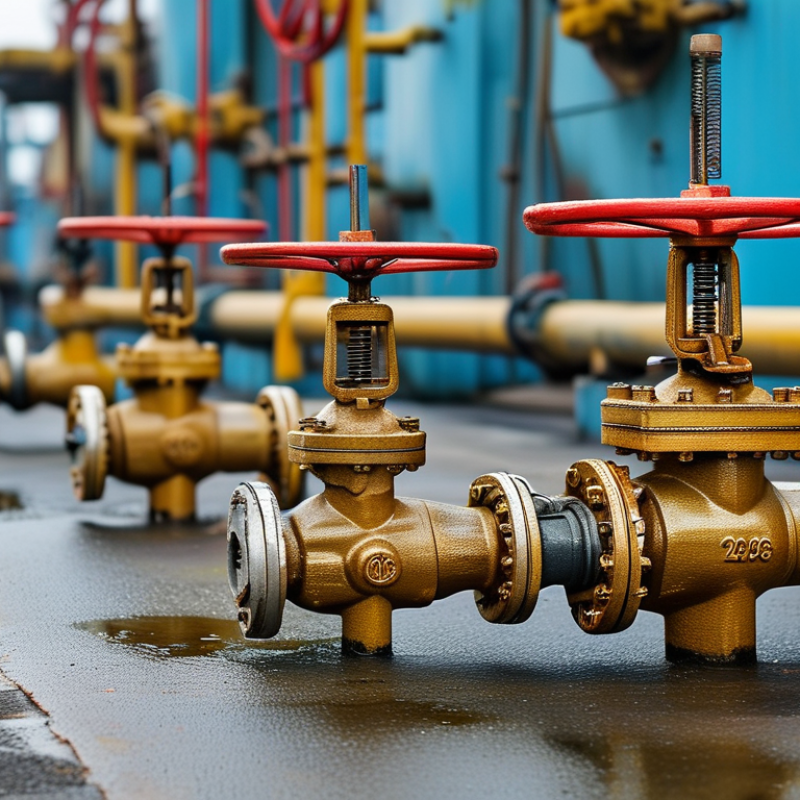
In 2026, petroleum valve options are crucial for global buyers. This industry is projected to reach USD 100 billion by 2026, driven by rising energy demands. With the need for efficiency and safety in oil and gas operations, selecting the right valve is essential.
Buyers must consider various materials, including stainless steel and carbon steel. These materials offer durability against extreme pressures and temperatures. Valves also need to comply with global standards, enhancing reliability in operations. However, many buyers underestimate the importance of proper installation and maintenance. Neglecting these factors can lead to costly failures and safety hazards.
Innovative designs, such as ball valves and gate valves, offer advantages. They provide improved flow control and reduced leakage risks. Research indicates that up to 70% of operational issues can arise from valve malfunctions. This highlights the necessity of choosing wisely. When looking for the best options, buyers should consult industry reports and leverage professional insights. They must prioritize not just price but long-term value and safety.
| Valve Type | Material | Pressure Rating (API) | Temperature Range (°C) | Connection Type |
|---|---|---|---|---|
| Ball Valve | Stainless Steel | 15000 psi | -20 to 120 | Flanged |
| Gate Valve | Carbon Steel | 10000 psi | -40 to 200 | Welded |
| Check Valve | Ductile Iron | 5000 psi | -10 to 80 | Threaded |
| Globe Valve | Alloy Steel | 6000 psi | -30 to 150 | Flanged |
| Butterfly Valve | PVC | 200 psi | 0 to 60 | Wafer |
In 2026, the petroleum industry continues to evolve, particularly in valve technology. Innovations are emphasizing enhanced efficiency and safety. New materials are emerging, promoting durability and resistance to corrosion. These upgrades are crucial for optimal performance in harsh environments.
Smart valve systems are gaining traction. They provide real-time monitoring and data analytics. This enables operators to make data-driven decisions, reducing downtime and improving maintenance schedules. However, this technology often demands higher initial investments, which may deter some buyers.
Sustainability is another key trend. Manufacturers are focusing on eco-friendly materials and processes. Such practices not only meet regulatory standards but also appeal to global buyers emphasizing corporate responsibility. Yet, there remains a gap in widespread implementation. Challenges persist in balancing cost and sustainability, prompting continued scrutiny and reflection from industry stakeholders.
The petroleum valve market is a dynamic landscape in 2026. Global buyers are seeking innovative solutions that ensure safety and efficiency. Manufacturers are stepping up their game. They focus on advanced technologies, such as smart valves that integrate IoT. These innovations can enhance monitoring and maintenance.
One key focus is durability. High-performance materials are becoming essential. They help withstand extreme conditions often found in oil and gas operations. However, not every manufacturer has adapted quickly. Some still rely on outdated designs. This gap presents a challenge for buyers seeking reliable options.
Sustainability is another emerging trend. Companies are exploring eco-friendly materials and production methods. This shift reflects a growing commitment to environmental responsibility. Yet, it is still a work in progress for many manufacturers. Balancing innovation and sustainability is complex. Buyers must stay informed about these developments as they navigate their procurement strategies.
In 2026, global demand for petroleum valves is projected to increase significantly. This shift stems from several factors, including ongoing exploration and production activities. Countries are investing in infrastructure to meet energy needs. A comprehensive market analysis indicates that the demand for durable and efficient valves will rise. Reliability and performance are crucial in high-stakes environments.
Customization is another key trend in the petroleum valve market. Buyers are increasingly seeking valves tailored to specific applications. Factors such as temperature, pressure, and fluid type play a vital role in valve selection. Advanced materials are also gaining traction. They not only enhance performance but also extend the lifespan of these components. However, the challenge lies in sourcing these tailored solutions. Some manufacturers may struggle to keep up with evolving specifications.
Particular attention must be paid to regulatory compliance. Buyers should prioritize valves that adhere to international standards. There are risks involved with using subpar products. The consequences can be severe, impacting not just operations but safety as well. Manufacturers must also focus on providing accurate information about their products. Transparency fosters trust and helps buyers make informed decisions. As the market evolves, ongoing education will be vital for both manufacturers and buyers.
When selecting petroleum valves, environmental considerations are crucial. Buyers must assess the potential impact of valve materials on ecosystems. Traditional materials may leach harmful substances into the environment. Choosing durable, corrosion-resistant options can mitigate these effects. Such materials can withstand harsh conditions, leading to extended lifespan and reduced waste.
Additionally, the manufacturing process of valves should be scrutinized. Eco-friendly production practices are becoming necessary. Sustainable sourcing of raw materials is essential. Valves produced with a lower carbon footprint can help buyers meet their environmental goals. However, not all manufacturers prioritize these practices. This inconsistency may require additional research from buyers.
Another area of concern is energy efficiency. Valves that minimize energy loss can lead to significant cost savings. They also contribute to lower greenhouse gas emissions over time. Buyers should look for certifications that indicate a product’s energy efficiency. It is vital to have a clear understanding of the long-term environmental benefits associated with valve selection. Balancing performance and sustainability poses challenges, but it's essential for responsible purchasing decisions.
In 2026, choosing the right valve for petroleum applications will be crucial. Different types of valves, such as gate, ball, and butterfly valves, each come with their unique advantages. Ball valves are often prized for their reliability and low resistance to flow. Gate valves are also popular due to their ability to provide a tight seal and durability. However, they can be slow to open or close.
Cost is a primary consideration in the valve selection process. While some may perk up at the lower initial cost of certain valve types, long-term maintenance costs should also be evaluated. Ball valves may have higher upfront costs, but their longevity often results in lower overall expenses. In contrast, cheaper options could lead to frequent replacements, leading to hidden costs.
Some decision-makers overlook the importance of valve material. Corrosion resistance is vital in petroleum applications. Selecting the wrong material can lead to failures and increased expenses. It's important to weigh initial costs against potential future liabilities. Understanding these dynamics helps in making informed decisions. Each choice carries its own risk and reward structure, calling for deep reflection and analysis.
: They are crucial for meeting rising energy demands and ensuring safety in oil and gas operations.
Stainless steel and carbon steel are preferred for their durability under extreme pressures and temperatures.
Many buyers neglect proper installation and maintenance, leading to costly failures and safety risks.
Ball valves and gate valves enhance flow control and reduce leakage risks significantly.
They provide real-time monitoring and analytics, improving maintenance and reducing downtime.
Yes, eco-friendly materials meet regulations and appeal to buyers focused on corporate responsibility.
Traditional materials can leach harmful substances, impacting ecosystems negatively.
Certifications indicating lower energy loss can lead to cost savings and lower emissions over time.
Yes, not all manufacturers prioritize eco-friendly practices, requiring buyers to conduct additional research.
It requires reflection and careful consideration, as buyers aim for responsible purchasing decisions.
The article titled "Best Petroleum Valve Options for Global Buyers in 2026" provides a comprehensive overview of the anticipated trends and innovations in the petroleum valve market for the forthcoming year. It highlights current advancements in petroleum valve technology, emphasizing the importance of selecting valves that meet both performance and environmental standards. The summary includes an analysis of the top manufacturers in the petroleum valve market, showcasing their innovative approaches to meet market demands.
Further, the article presents a market demand analysis that forecasts the consumption patterns for petroleum valves in 2026, while also addressing the essential environmental considerations buyers must take into account in their selection process. Additionally, a cost-benefit analysis of various valve types used in petroleum applications is discussed, aiding buyers in making informed decisions based on efficiency and sustainability. Overall, this resource serves as an essential guide for global buyers seeking optimal petroleum valve solutions.

Shoulong Valve