How to Choose the Best Metal Valve for Your Needs?

Time:2026-07-13 Author:Liam
0%

Choosing the right metal valve for your project can be daunting. Renowned valve expert, Dr. Andrew Collins, often states, "The right metal valve can make or break system efficiency." This highlights the importance of informed decision-making.

Metal valves come in various materials and designs. Understanding the specific needs of your application is crucial. For instance, consider factors like pressure ratings, temperature, and chemical compatibility. A misstep here could lead to system failures or costly repairs.

Moreover, many overlook the significance of maintenance. Just selecting a high-quality metal valve isn’t enough. Regular inspection and upkeep are vital for longevity. Evaluating your options thoroughly ensures a balance between durability and performance. Take time to reflect on your specific requirements before making a choice.
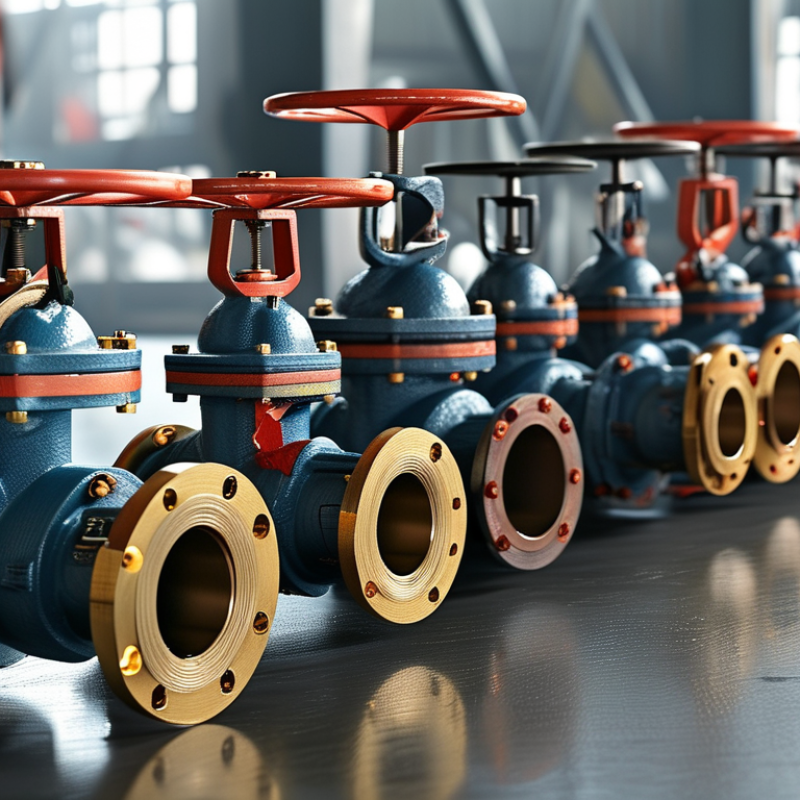
How to Choose the Best Metal Valve for Your Needs?

Key Factors in Selecting Metal Valves for Industrial Applications

When selecting metal valves for industrial applications, several key factors come into play. The environment in which the valve will operate is crucial. High temperatures and corrosive substances can dictate which materials are most suitable. Stainless steel often offers better resistance to rust and thermal degradation. However, for some applications, other alloys may be more effective. The choice should also consider the fluid type being handled, such as gas or liquid.

Another essential factor is pressure rating. Understanding the operating pressure levels will help you choose a valve that can withstand the conditions without failure. Inaccurate pressure ratings can lead to leaks or catastrophic failures. It's important to carefully analyze system specifications rather than assuming all valves are equal. Additionally, the valve's design, such as ball, gate, or globe, can significantly affect performance. Each type serves different purposes and has its own set of advantages and disadvantages.

Lastly, maintenance should not be overlooked. Regular inspections and ease of access contribute to longer valve life. Choosing a valve that simplifies maintenance can save time and costs in the long run. Reflecting on these factors will help you align your choices with the specific needs of your industrial application.

How to Choose the Best Metal Valve for Your Needs?

Valve Type Material Size Range (inches) Pressure Rating (psi) Temperature Rating (°F) Applications
Ball Valve Stainless Steel 1/2 - 12 150 - 3000 -20 to 400 Water, Oil, Gas
Gate Valve Carbon Steel 2 - 24 150 - 1500 -20 to 800 Oil, Water Transmission
Globe Valve Bronze 1 - 16 150 - 2500 -20 to 450 Steam, Water, Oil
Check Valve Stainless Steel 1/2 - 30 150 - 3000 -10 to 500 Pipelines, Water, Gas
Butterfly Valve Ductile Iron 2 - 48 150 - 600 -40 to 250 HVAC, Water Treatment

Understanding the Different Types of Metal Valves and Their Uses

When selecting a metal valve, understanding the different types available is crucial. Ball valves are popular for their simple operation and reliability. They provide a tight seal and are ideal for on/off applications. However, they may not handle high-pressure situations as effectively as other types. Gate valves, on the other hand, excel in applications requiring minimal pressure drop. They are designed for full flow, making them suitable for larger pipelines.

Another common type is the globe valve, known for regulating flow. Its design allows for precise control, but it can create resistance in the pipeline. This resistance may lead to pressure loss in certain systems. Check valves are essential for preventing backflow, which is critical in many applications. But they must be chosen carefully to ensure they suit the needs of your system.

Each valve type has strengths and weaknesses. Testing each option in real-world conditions can reveal their effectiveness. Sometimes, a valve that looks good on paper performs poorly when installed. Consulting with experts or engineers who specialize in fluid dynamics is wise. They can provide insights that may not be apparent during initial evaluations. Exploring different valves before making a decision is vital for optimal performance.

Evaluating Material Properties: Corrosion Resistance and Strength Ratings

When selecting a metal valve, it is essential to evaluate corrosion resistance and strength ratings. Corrosion can significantly impact the lifespan of valves. According to a study by the Corrosion Engineering Association, metallic components can lose up to 20% of their strength after years of exposure to corrosive environments. This highlights the importance of choosing materials that can withstand harsh conditions.

Stainless steel is often regarded for its corrosion resistance. Its chromium content forms a protective layer, enhancing durability. Other materials, like brass and bronze, are also widely used for specific applications. However, they may not perform as well under extreme conditions. The American Society for Testing and Materials (ASTM) outlines strength ratings that provide crucial insights into material performance. For instance, a material with a yield strength of 30,000 psi can be ideal for high-pressure applications.

Strength ratings alone are insufficient. Environmental factors can change performance outcomes. A valve that performs excellently in laboratory conditions may falter in real-world applications. User feedback suggests that quality checks during installation can mitigate unexpected failures. It is vital to consider both strength and corrosion resistance when choosing. The right choice may prevent costly downtimes and enhance operational safety.

Importance of Pressure and Temperature Ratings in Valve Selection

When selecting a metal valve, understanding pressure and temperature ratings is crucial. These ratings determine how the valve performs under stress. A valve that cannot handle high pressure may fail, leading to leaks or system shutdowns. Choosing a valve with appropriate ratings helps avoid accidents.

Temperature ratings are equally important. Valves exposed to extreme heat or cold require different materials and designs. A valve may perform well at room temperature but fail at elevated levels. Always check the manufacturer's specifications, as discrepancies can lead to unforeseen issues.

Reflection is essential. It is tempting to choose a valve based solely on price. This can lead to poor decisions. Investing in a quality valve with the right ratings ensures long-term reliability. It is better to pay more initially than to face costly repairs later. Understanding these factors creates a safer and more efficient system.

Assessing Lifecycle Costs: Initial Investment vs. Long-term Performance

When selecting the best metal valve, lifecycle costs warrant close attention. Initial investment often skews decision-making. However, focusing solely on upfront costs can lead to regrets later. Cheaper valves might seem attractive, but they can fail prematurely, leading to higher maintenance costs.

A comprehensive evaluation includes long-term performance. Durable materials, such as stainless steel, can enhance longevity. Choosing a valve with a proven track record can save money over time. Maintenance frequency is another factor. A valve that requires less frequent repairs will ultimately cost less.

Consider the environment where the valve will operate. Corrosive conditions may demand higher upfront costs for specialized valves. Yet, these choices could reduce failures and downtime in the long run. Reflecting on both immediate expenses and future implications is essential for making an informed choice.

FAQS

: What is the main factor in selecting a metal valve?

: The operating environment is crucial. High temperatures and corrosive substances influence material choice.

Why are pressure ratings important for valves?

Pressure ratings determine how valves withstand operational stress. Incorrect ratings may cause leaks or failures.

How do temperature ratings affect valve performance?

Valves must be selected based on temperature extremes. A valve may fail at high temperatures despite working at room temperature.

What types of valve designs are available?

Common designs include ball, gate, and globe valves. Each has unique advantages and disadvantages.

Why is maintenance important for metal valves?

Regular inspections extend valve life. Choosing a design that simplifies maintenance saves time and costs.

What should be reflected upon when selecting a valve?

Consider factors beyond price. A cheaper valve may lead to costly repairs and inefficiencies later.

Can all valves handle the same conditions?

No, valves cannot assume equal capability. Always analyze specific system specifications to ensure proper selection.

Are there specific materials preferred for high-temperature environments?

Stainless steel often provides better resistance. However, other alloys may be suitable depending on the application.

How can one avoid accidents related to valve selection?

Understanding both pressure and temperature ratings prevents potential leaks and system shutdowns.

What happens if the wrong valve is chosen?

Inaccurate selections can lead to operational failures and significant safety risks, so careful analysis is vital.

Conclusion

Choosing the right metal valve for industrial applications requires careful consideration of several key factors. It's essential to understand the different types of metal valves available, as each type serves specific purposes. Evaluating the material properties, such as corrosion resistance and strength ratings, is crucial to ensure durability and reliability in demanding environments.

Moreover, the pressure and temperature ratings play a significant role in valve selection, impacting performance and safety. Finally, assessing lifecycle costs, which includes the initial investment compared to long-term performance, is vital for making an informed decision. By weighing these aspects effectively, one can select the best metal valve to meet specific operational needs and ensure efficient system functioning.


Liam

Liam

Liam is a dedicated marketing professional with a profound expertise in the industry, where he excels at highlighting the unique advantages of our core products. With a keen understanding of market trends and consumer needs, Liam frequently updates our company’s professional blog, providing......