How to Choose the Right Double Valve for Global Sourcing?

Time:2026-10-21 Author:Aria
0%

Choosing the right Double Valve for global sourcing requires more than comparing prices or matching pipe diameter. The decision affects safety, maintenance, delivery reliability, and long-term operating costs. A valve may look suitable in a catalogue, yet fail when exposed to abrasive slurry, high temperature, corrosive chemicals, or repeated pressure changes.

Peter Smith, author of the Valve Selection Handbook, offers a useful principle: “Select the valve for the service, not merely the line size.” This idea remains highly practical. Buyers should examine media type, pressure rating, temperature range, sealing material, actuation method, and required flow direction. A 100-millimetre valve is not automatically suitable because the pipeline is 100 millimetres wide.

Details matter. Ask suppliers for pressure-test records, material certificates, dimensional drawings, and clear inspection procedures. Confirm whether the Double Valve meets relevant international standards and whether replacement seals are available locally. Supplier audits can reveal weak traceability, inconsistent machining, or unclear subcontracting. These problems may not appear in a polished quotation.

Global sourcing adds another layer. Lead times, packaging quality, export documentation, technical support, and warranty response should be evaluated together. The lowest unit price can become expensive after delays or emergency repairs. No checklist is perfect. Real installations sometimes expose assumptions that laboratory tests miss. A careful sourcing process therefore combines documented specifications with field experience, supplier verification, and honest technical questions before purchase.
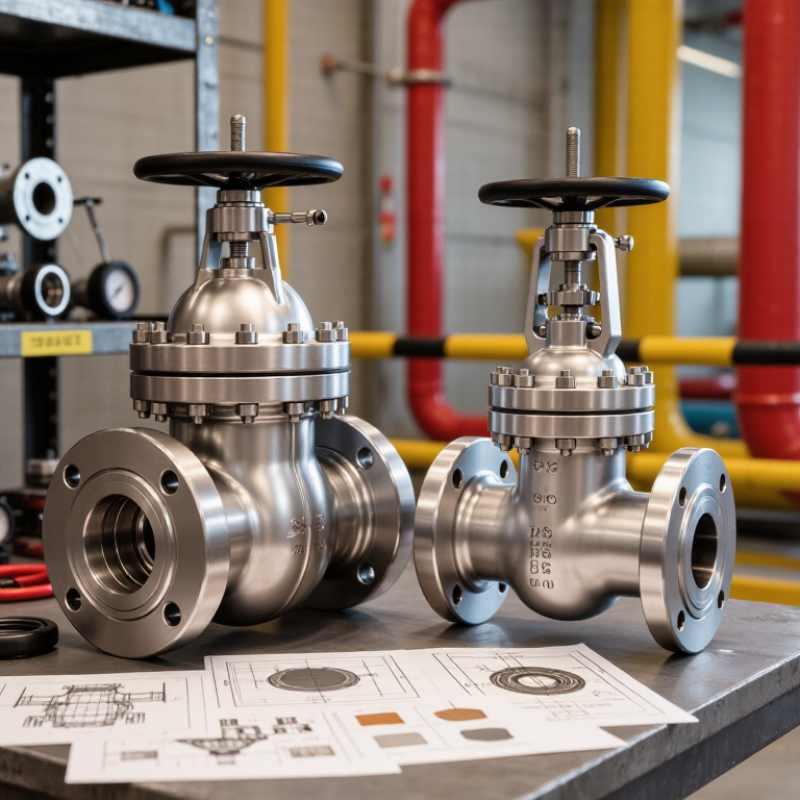
How to Choose the Right Double Valve for Global Sourcing?

Define Double-Valve Duty by Media, Flow Rate, DN/NPS, and Pressure Class 150–2500

How to Choose the Right Double Valve for Global Sourcing?

Define double-valve duty by the media first. Gas, water, steam, slurry, and corrosive chemicals require different seats, body materials, and sealing designs. ISO 5208 establishes leakage testing methods, while API 6D addresses pipeline valve performance. Do not treat “double valve” as two ordinary shutoff valves. Confirm whether the duty requires double block and bleed, cavity relief, or bidirectional isolation. The IEA’s Oil 2024 report projects global oil demand will reach 105.4 million barrels per day by 2030. That growth increases pressure on isolation reliability across processing and transport systems.

Flow rate controls bore size and pressure loss. Calculate Cv from the actual medium, temperature, density, and viscosity. Then compare the result with DN or NPS. A larger valve is not automatically safer. Excessive velocity can damage seats and create noise. My early mistake was matching line size without checking operating flow. That shortcut looked efficient. It was not. Pressure class 150–2500 must match design pressure, temperature, material, and applicable ASME requirements. Class numbers are not direct pressure values at every temperature.

Tips: Request a datasheet with normal, minimum, and maximum flow. State DN/NPS, pressure class, end connection, media composition, and leakage requirement. Cross-check the selection against ASME B16.34 and the supplier’s certified test records. The IEA’s Gas 2024 report also highlights expanding gas infrastructure, where inaccurate sizing can become an expensive field correction.

How to Choose the Right Double Valve for Global Sourcing?

Define double-valve duty by media, flow rate, DN/NPS, and pressure class 150–2500.

The chart shows representative pressure ratings for carbon-steel pressure classes at approximately 38°C (100°F), based on commonly used ASME B16.5/B16.34 rating values. Final valve selection must also verify the process media, corrosiveness, temperature, required flow rate, DN/NPS connection size, valve configuration, and applicable material standards. Pressure ratings can change significantly with temperature and valve materials.

Media: Confirm compatibility with water, hydrocarbons, steam, gases, chemicals, or abrasive fluids.
Flow rate: Use the required flow and pressure drop to determine valve Cv, port size, and actuator capacity.
DN/NPS: Match the valve bore and end connections with the piping system and installation standard.

Match Body and Seal Materials to Temperatures from −196°C to 538°C

Choosing a double valve for global sourcing starts with temperature, not catalog appearance. The range is severe: −196°C to 538°C. At −196°C, body materials must retain impact toughness and resist contraction. Austenitic stainless steel, such as 316L, is commonly evaluated for cryogenic duty. NIST cryogenic materials data shows that toughness behavior changes sharply near low temperatures. A body that performs well at room temperature may become unreliable in liquid nitrogen service.

Seal selection needs equal discipline. PTFE can suit many cryogenic applications, but its pressure, chemical, and recovery limits require verification. At 538°C, ordinary elastomers are unsuitable. Flexible graphite or metal seals may be considered, depending on oxidation, pressure, cycling, and leakage requirements. API 607 and API 6FA fire-test requirements can support fire-safe evaluation, but they do not replace temperature qualification. Small detail. It matters.

ASME B16.34-2022 requires pressure-temperature rating checks for valve materials and construction. Do not select a valve from temperature alone. Confirm differential pressure, thermal cycling, media compatibility, and actuator torque at both extremes. NIST fluid-property data can improve cryogenic sizing, while ASME Section II material data supports allowable-stress review. In practice, thermal expansion can make a tight seal too tight after repeated cycles. That risk is easy to miss. Request test records, material certificates, and low-temperature leakage results from the supplier. A global sourcing file should also state the exact seal grade, graphite density, surface finish, and test temperature. Vague descriptions create expensive surprises.

Verify Design Compliance with API 6D, ASME B16.34, and ISO 5208

Global sourcing becomes safer when double-valve design compliance is verified before price comparison. API 6D checks pipeline valve design, pressure testing, materials, documentation, and functional requirements. ASME B16.34 supports pressure-temperature ratings, wall thickness, and pressure boundary integrity. ISO 5208 defines valve pressure tests and leakage acceptance levels.

These standards solve different risks. They should not be treated as interchangeable. IEA’s World Energy Investment 2024 report estimates global energy investment will reach about 3 trillion dollars in 2024. Around 2 trillion dollars is expected for clean-energy systems. This expansion increases demand for traceable and reliable flow-control equipment. However, a certificate alone does not prove compliance. Review the exact valve model, design revision, test medium, pressure, duration, and acceptance rate. Small document gaps can become expensive site delays.

Tips:

Request a clause-by-clause compliance matrix. Confirm whether API 6D applies to the complete assembly or only the valve body. Check ASME B16.34 ratings at the actual operating temperature. Ask for ISO 5208 test records, not only declarations. Verify material certificates and serial-number traceability. Inspect the double-block-and-bleed function under realistic pressure conditions. Do not assume “zero leakage” has one universal meaning. That phrase needs a defined test class. In practice, sourcing teams sometimes focus too heavily on certificates and overlook actuator loads, cavity relief, or maintenance access. That is where the design deserves another review.

Compare Shutoff Performance Using API 598 and Leakage Classes A–VI

When sourcing a double valve globally, compare shutoff evidence, not only catalogue pressure ratings. API 598 requires defined shell and closure tests, with acceptance criteria linked to valve size, seat design, test medium, and pressure. A resilient-seated valve may achieve no visible leakage during testing. A metal-seated design can permit a measured rate. The result must appear on the inspection certificate.

Leakage classes need careful interpretation.
ISO 5208 uses Rate A through Rate G for industrial valve closure tests, while IEC 60534-4 uses Classes I through VI for control valves. Class VI is highly restrictive, but it does not automatically describe every isolation valve. Class V measures leakage quantitatively under severe differential pressure. Class IV is less demanding. Do not treat “bubble-tight” as a universal promise.

Ask suppliers to state the exact standard edition, test fluid, temperature, differential pressure, seat material, and allowable leakage. A practical review checks whether the certificate matches the valve’s serial number and factory test date. API 598 data alone may not predict field performance after thermal cycling or abrasive service. That is where many comparisons become weak. A better specification might require API 598 closure testing plus an ISO 5208 rate, when technically appropriate. Remember, higher tightness can increase torque, wear, and purchase cost. The cheapest compliant option may not be the most reliable one.

Audit Global Suppliers for NACE MR0175, PED 2014/68/EU, and Full MTRs

Choosing the right double valve for global sourcing starts with supplier evidence, not a polished catalog. Audit the manufacturer’s quality system, technical staff, and production controls. Ask for drawings, pressure ratings, service limits, and complete traceability records. Small gaps matter.

For sour service, verify compliance with NACE MR0175 for the actual material and operating conditions. Review alloy grade, chemical composition, hardness limits, heat treatment, and resistance to sulfide stress cracking. A certificate alone is not enough. Confirm that the valve design matches the specified pressure, temperature, and fluid environment.

For European projects, check whether PED 2014/68/EU applies. Confirm the fluid group, pressure category, conformity assessment route, and required declaration documentation. Where applicable, verify the role of the notified body. Do not accept a generic PED statement without supporting records. Check the current requirements, since project assumptions can age badly.

Full MTRs should connect every pressure-containing part to its heat number. Review body, bonnet, stem, trim, and bolting records. EN 10204 documentation, PMI results, hardness data, and test reports should agree. The valve should also have hydrostatic and functional test evidence. Paperwork can look perfect. It can still hide a missing link. No audit is flawless, so record open questions and close them before purchase. A supplier that welcomes technical scrutiny is usually easier to trust during installation, inspection, and future maintenance.

How to Choose the Right Double Valve for Global Sourcing? - Audit Global Suppliers for NACE MR0175, PED 2014/68/EU, and Full MTRs

No. Audit Dimension Verified Requirement Minimum Acceptance Benchmark Required Evidence Risk Level
1 Valve Configuration Confirm whether the assembly is true double block and bleed, double isolation and bleed, or a single-body integrated design. Two independent pressure-containing closure functions with a defined bleed, vent, or drain path. GA drawing, sectional drawing, flow diagram, and functional description. High
2 Pressure Class and Size Match nominal size, pressure class, end connection, pressure-temperature rating, and face-to-face dimensions to the piping specification. All pressure and dimensional ratings comply with the approved project piping class and applicable design code. Datasheet, certified dimensional drawing, pressure-temperature chart, and design calculations. High
3 NACE MR0175 / ISO 15156 Verify materials exposed to sour service, including body, bonnet, trim, stems, springs, fasteners, and weld repairs. Material selection and hardness controls comply with the applicable ISO 15156 part and environmental limits for H2S service. NACE compliance statement, material list, hardness records, heat-treatment records, and sour-service design review. Critical
4 Material Traceability Check that heat numbers remain traceable from raw material through machining, assembly, and final documentation. 100% traceability for pressure-retaining and pressure-boundary components. Heat-number map, material identification procedure, traveler records, and final nameplate photographs. High
5 Full MTR Package Require material test reports for every pressure-retaining part and verify the report content against the purchase specification. EN 10204 Type 3.1 certification as a baseline; Type 3.2 where required by contract, regulation, or independent inspection. Signed and dated MTRs showing chemical composition, mechanical properties, heat treatment, testing, heat number, and material grade. Critical
6 PED 2014/68/EU Determine whether the valve falls within the scope of the European Pressure Equipment Directive based on fluid group, pressure, size, and equipment category. Documented PED classification and conformity route; CE marking and EU Declaration of Conformity where legally applicable. PED classification assessment, conformity certificate, EU Declaration of Conformity, CE marking details, and notified-body documents when required. Critical
7 Pressure Testing Verify shell, seat, backseat where applicable, and double-block performance tests using an agreed standard. Testing conforms to the purchase specification and an applicable standard such as API 598 or ISO 5208, with no unacceptable leakage. Test procedure, calibrated-gauge records, pressure charts, test medium details, duration, leakage results, and signed test certificate. High
8 Fugitive Emissions Assess stem sealing, packing arrangement, gland design, and emission test capability for hazardous or volatile fluids. Qualification to ISO 15848-1 or the project-specified fugitive-emission class, with service temperature stated. Type-test report, packing specification, cycle count, temperature range, leakage class, and production test plan. High
9 Fire-Safe Design Confirm fire-safe construction when the process specification requires it for flammable or hydrocarbon service. Valid qualification to API 607 or API 6FA, applicable to the offered valve design and pressure class. Fire-test report, design configuration, certificate scope, seat and stem sealing details, and production-control procedure. High
10 Material Compatibility Review corrosion resistance, temperature limits, elastomer compatibility, galvanic effects, and pressure-boundary design for the actual medium. Written material-selection review covers process composition, water content, chlorides, H2S, CO2, temperature, and pressure. Material compatibility statement, corrosion allowance, trim schedule, seal data, and process design-basis review. High
11 Quality Management Evaluate control of nonconforming products, calibration, welding, special processes, inspection, and corrective actions. Current ISO 9001-based quality system with documented procedures and auditable implementation. Quality certificate, audit report, calibration register, NCR log, corrective-action records, and inspection plan. Medium
12 Inspection and NDE Confirm inspection extent for castings, forgings, welds, pressure boundaries, and critical trim components. NDE methods, acceptance criteria, personnel qualifications, and sampling or 100% inspection levels are defined before production. Inspection and test plan, NDE reports, personnel certificates, casting or forging inspection records, and release note. High
13 Actuation and Fail Position Check actuator torque, emergency operation, travel stops, fail position, accessories, and compatibility with the double-valve arrangement. Actuator sizing includes maximum break torque, minimum supply pressure, safety factor, and specified fail action. Torque calculation, actuator data sheet, functional test report, wiring diagram, and instrument certification where applicable. Medium
14 Documentation and Data Book Confirm that the final manufacturing record book is complete, indexed, searchable, and delivered before shipment or payment release. All contractual documents are included, internally consistent, signed, revision-controlled, and linked to serial or heat numbers. Approved drawings, certificates, MTRs, test reports, inspection records, manuals, spare-parts list, and final release note. High
15 Supplier Qualification Decision Use a documented scoring process rather than price alone when approving a global source. No open critical nonconformities; mandatory compliance documents accepted; technical score meets the project threshold before commercial award. Completed audit checklist, weighted scorecard, deviation register, corrective-action plan, and approval record. Critical
Recommended sourcing gate: Approve the double-valve source only after the supplier demonstrates application-specific NACE MR0175 / ISO 15156 compliance, completes the applicable PED conformity route, and provides a fully traceable EN 10204 material documentation package.

FAQS

How should I define a double-valve duty?

Start with the medium: gas, water, steam, slurry, or corrosive chemicals. Each medium may require different seats, body materials, and sealing designs. Specify double block and bleed, cavity relief, or bidirectional isolation. Do not assume two shutoff valves offer the same function.

How does flow rate affect valve selection?

Calculate the required Cv using temperature, density, viscosity, and actual flow. Then compare it with the required DN or NPS. A larger valve is not always safer. Excessive velocity can damage seats and create noise.

What flow information should I request?

Request normal, minimum, and maximum flow values. Include medium composition, temperature, DN or NPS, and end connection. One line-size match may still be wrong. I learned that the hard way.

How do pressure classes from 150 to 2500 work?

Match the pressure class with design pressure, temperature, and material. Class numbers are not direct pressure values at every temperature. Check the applicable pressure design requirements and valve limitations. Temperature changes the answer.

How can I compare shutoff performance?

Compare certified test results, not only catalogue pressure ratings. Review shell and closure tests, test fluid, temperature, and differential pressure. Record the exact leakage rate and acceptance requirement. “Bubble-tight” needs a defined test method.

Are leakage Classes A–VI suitable for every isolation valve?

No. Different standards use different leakage classifications. One system may use Rates A–G, while another uses Classes I–VI. Class VI is highly restrictive, but it does not describe every isolation valve. Context matters more than a number.

What should appear on a valve test certificate?

The certificate should show the valve serial number and factory test date. It should identify seat material, test medium, pressure, temperature, and leakage result. Check that the records match the supplied valve. Paperwork can still hide a missing link.

How should I audit an international valve supplier?

Review drawings, quality controls, technical staff, production records, and traceability. For sour service, verify material grade, hardness, heat treatment, and cracking resistance. For regulated projects, confirm conformity documents and assessment details. A generic statement is not enough.

What are complete material records supposed to prove?

Material records should connect each pressure-containing part to its heat number. Check the body, bonnet, stem, trim, bolting, and relevant certificates. Compare chemical composition, hardness, PMI results, and test reports. No audit is flawless. Keep open questions visible until closure.

Conclusion

Choosing the right Double Valve for global sourcing requires a structured evaluation of operating conditions, technical standards, and supplier capability. Begin by defining the service duty, including the media, required flow rate, DN/NPS size, and pressure class from 150 to 2500. Body and seal materials should then be matched to the full temperature range, from cryogenic −196°C service to high-temperature applications reaching 538°C, while considering corrosion, wear, and compatibility.

Design verification should include API 6D and ASME B16.34 requirements, with ISO 5208 used to confirm pressure-testing and functional expectations. Shutoff performance can be compared through API 598 testing and applicable leakage classes from A to VI. For international procurement, audit suppliers for NACE MR0175 suitability, PED 2014/68/EU conformity where applicable, traceable material test reports, and consistent quality documentation. A complete review of these factors helps buyers balance safety, reliability, regulatory readiness, and long-term operating value.


Aria

Aria

Aria is a dedicated marketing professional with a deep passion for innovative strategies and a keen understanding of our company's product offerings. With a wealth of experience in the industry, Aria excels at crafting engaging content that highlights the unique features and benefits of our......