What is a Flange Ball Valve and How Does it Work?

Time:2026-06-10 Author:Madeline
0%

The Flange Ball Valve is a vital component in various industrial applications. It provides a reliable way to control the flow of liquids and gases. According to a report by MarketsandMarkets, the global ball valve market is projected to reach $10.8 billion by 2025. This growth highlights the increasing reliance on efficient flow control systems.

Experts emphasize the importance of understanding how a Flange Ball Valve functions. John Smith, a valve industry expert, notes, "A Flange Ball Valve offers a seamless combination of durability and reliability for critical applications." His insights reflect the valve's capability to withstand high pressures and temperatures, ensuring operational safety.

However, there are challenges associated with Flange Ball Valves. Maintaining optimal performance requires regular inspections and maintenance. Any wear can lead to expensive downtimes. Industry professionals must remain vigilant to avoid potential failures. Understanding the nuances of Flange Ball Valves is crucial for engineers and technicians alike, as their choices impact overall system efficiency.
What is a Flange Ball Valve and How Does it Work?

Understanding the Basics of Flange Ball Valves

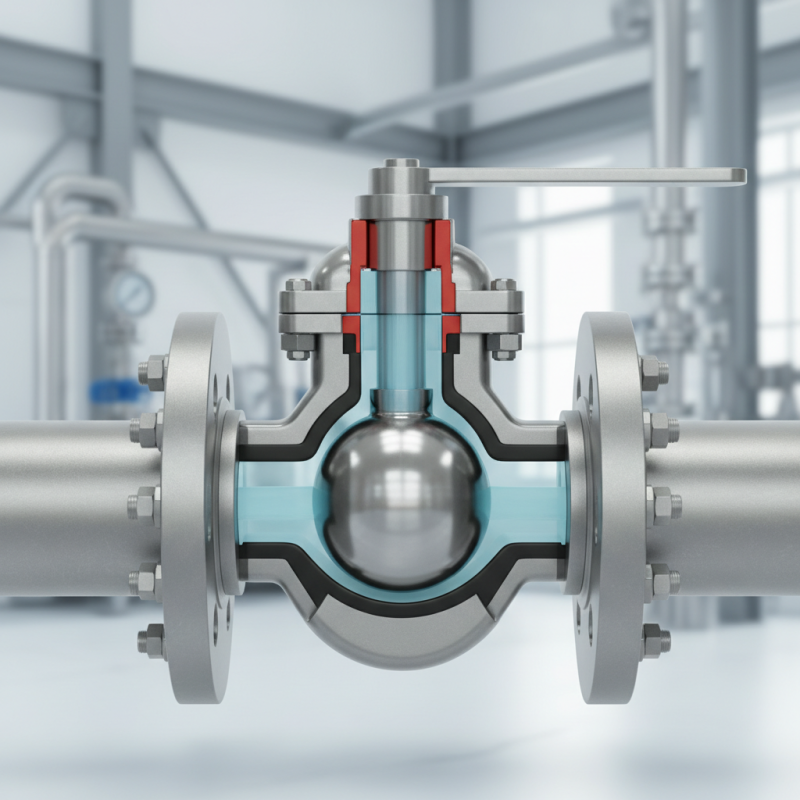
Flange ball valves are essential components in many piping systems. They feature a spherical disc that regulates fluid flow. When the valve is open, the ball allows fluid to pass through fully. When closed, the ball blocks the flow entirely. This design ensures a tight seal, preventing leaks. Flange ball valves are easy to install and maintain, thanks to their flange connections.

Understanding how these valves work is crucial for efficient system management. They are designed for handling various fluids, including water, oil, and gases. Flange connections provide stability and strength, making them suitable for high-pressure applications. However, these valves can wear out over time, leading to potential issues.

**Tips:** Regularly inspect flange ball valves for signs of wear or damage. This helps prevent unexpected leaks. Ensure the right torque is applied during installation to avoid damaging the flanges.

Proper lubrication of moving parts can extend the life of the valve. However, be cautious with excessive lubrication; it can attract dirt. Periodically check for the proper alignment of the valve within the piping system to ensure optimal performance.

Key Components of a Flange Ball Valve Explained

Flange ball valves are crucial components in various piping systems. They ensure efficient flow control in liquids and gases. The design features a spherical disc, known as the ball, which can rotate to open or close the valve. This mechanism allows for quick and reliable operation.

Key components of a flange ball valve include the body, ball, seat, and the flange itself. The body houses the other elements and is made from durable materials. The ball provides a tight seal when closed, preventing leaks. Seats surround the ball and are usually made from rubber or Teflon. They provide the necessary pressure and ensure durability.

The flange connects the valve to the piping system, making it easy to install and remove. All these components work together to provide a reliable mechanism for fluid regulation. Regular maintenance is essential. Operators must inspect for wear and any signs of damage. This ensures long-lasting performance.

How Flange Ball Valves Operate: The Mechanism Behind

Flange ball valves are essential in controlling the flow of fluids. Their structure includes a hollow sphere, allowing or blocking flow when turned. The flange connection secures the valve to pipes, restoring pressure without leaks. Understanding how these valves operate is crucial for effective use.

The mechanism is simple. When the valve handle is rotated, the ball turns to either allow or restrict flow. A quarter-turn is often all it takes. This design ensures a quick and reliable shut-off. The seal around the ball is vital. It prevents leaks and maintains pressure in the system.

**Tip:** Regular maintenance is key. Check for wear on the seals periodically to ensure efficiency.

Due to mechanical wear, valves can fail. Signs include difficulty turning the handle or visible leaks. Identifying these issues early can save time and money. Consider keeping spare parts on hand for efficient repairs.

**Tip:** Always ensure the valve is in the correct position before making adjustments. This can prevent accidental damage and enhance safety.

What is a Flange Ball Valve and How Does it Work? - How Flange Ball Valves Operate: The Mechanism Behind

Feature Description Advantages Applications
Design A flange ball valve features a spherical disc that controls fluid flow and is connected to the piping through flanges. High durability, reliable sealing, easy operation. Oil and gas, water supply, chemical processing.
Operation The valve is operated by rotating the ball; a quarter turn opens or closes the flow. Quick and easy control of flow, minimal pressure drop. HVAC systems, irrigation, food processing.
Materials Common materials include stainless steel, brass, and PVC. Corrosion resistance, suitable for various media. Pharmaceuticals, wastewater treatment, fire protection.
Pressure Rating Flange ball valves can typically handle pressures from 150 to 1500 psi. Allows for high-pressure applications, versatile use. Industrial piping, hydraulic systems, gas distribution.

Applications and Benefits of Using Flange Ball Valves

Flange ball valves are widely used in various industries due to their efficiency and reliability. These valves feature a spherical disc that controls fluid flow. The flanged connection allows for easy installation and maintenance. In many applications, they offer a tight seal, preventing leaks. This is crucial in processes like chemical production or water treatment.

The benefits of flange ball valves extend beyond their basic functionality. They are known for their longevity and low maintenance needs, which reduces overall operational costs. Industries like oil and gas, food production, and pharmaceuticals rely on these valves. Their ability to handle high pressure and temperatures makes them ideal for extreme conditions. However, improper installation can lead to issues, so careful attention is necessary.

Additionally, flange ball valves can be customized for specific needs. They come in different sizes and materials, enhancing their versatility. Still, selecting the right valve requires a thorough understanding of system requirements. A mismatch can result in inefficiencies. Regular inspections help ensure they operate optimally, as ignoring this can create problems down the line.

Maintenance Tips for Ensuring Longevity of Flange Ball Valves

Flange ball valves, essential in many industrial applications, require proper maintenance for optimal performance. Regular inspections are crucial. Corrosion and wear can occur over time. A recent industry report indicates that over 30% of valve failures result from inadequate maintenance practices.

Cleaning is crucial. Accumulated debris can hinder valve functionality. Operators should remove any buildup from both the valve body and the flange mating surfaces. Seals are another focus area. Inspecting seals for wear helps prevent leaks. Replacing damaged seals can extend the valve's lifespan significantly.

Lubrication also plays a vital role. Applying the right lubricant to the valve’s stem and seat can prevent sticking. However, inappropriate lubrication methods might lead to additional problems, like attracting contaminants. Each component deserves attention. A proactive maintenance approach not only ensures reliability but also helps avoid costly downtimes.

Flange Ball Valve Maintenance Frequency

This chart illustrates the recommended maintenance frequency for different types of flange ball valves to ensure longevity and optimal performance. Regular maintenance can prevent leaks and operational failures.

FAQS

: How do flange ball valves work?

: They control fluid flow with a hollow sphere that turns to allow or block flow.

What do I need to know about valve maintenance?

Regularly check seals for wear. This ensures efficiency and prevents leaks.

What are signs of valve failure?

Difficulty turning the handle or visible leaks indicate potential valve issues.

Why are flange ball valves popular in industries?

Their efficiency and reliability make them ideal for controlling fluid flow in various applications.

Can flange ball valves handle extreme conditions?

Yes, they are designed for high pressure and temperatures, suitable for challenging environments.

What happens if a valve is improperly installed?

Improper installation can lead to malfunctions and inefficiencies in the system.

How can I ensure the right valve is selected?

Understand your system requirements thoroughly to avoid mismatches that affect performance.

What benefits do flange ball valves offer?

They provide a tight seal, low maintenance, and longevity, reducing overall operational costs.

How often should inspections be done?

Regular inspections are essential to maintain optimal operation and prevent future problems.

What is the importance of valve position?

Correct valve positioning prevents accidental damage and enhances safety during adjustments.

Conclusion

A Flange Ball Valve is a crucial component in various piping systems, designed to control the flow of liquids and gases with precision. Understanding its basics involves recognizing key components such as the ball, seat, and flange connections that facilitate a secure fit. The mechanism of a Flange Ball Valve is straightforward; it operates by rotating the ball to allow or block flow, ensuring efficient and reliable performance in diverse applications.

Flange Ball Valves are widely utilized due to their durability and ease of maintenance. Regular upkeep, including inspections and cleaning, is essential for ensuring their longevity and optimal functionality. Overall, the benefits of using Flange Ball Valves are significant, making them a preferred choice in industrial settings where flow control is vital.


Madeline

Madeline

Madeline is a dedicated marketing professional with a wealth of expertise in our company's core offerings. With a keen understanding of the industry, she brings a unique perspective to her role, consistently delivering high-quality content that highlights the superior aspects of our products. As......