Choosing a Flange Ball Valve in 2026 takes more than matching pipe size and flange pattern. The right choice depends on the actual service: fluid composition, operating pressure, temperature, flow needs, and cycling frequency. A valve that looks suitable on a drawing may behave differently under heat, abrasive particles, or frequent operation. Small details matter.
For this introduction, valve application specialist Daniel Mercer is an illustrative expert voice, not a verified real-world source. His editorially composed reminder is: “Match the valve to the service first; confirm the flange connection second.” It is a useful rule, though not a complete selection method. Seat material, body construction, bore, stem design, and actuation also affect performance. No single specification fits every installation.
This guide explains how to compare those factors and verify them against project documents and manufacturer data. Check pressure-temperature ratings, compatible materials, face-to-face dimensions, flange class, and testing requirements. Ask for clear documentation, not just a product-page summary. For demanding or unusual service, involve a qualified engineer and confirm the final selection with the supplier. A careful review can prevent costly mismatch. Still, data sheets sometimes leave questions unanswered; pause and ask before ordering. That is not indecision. It is good engineering practice.
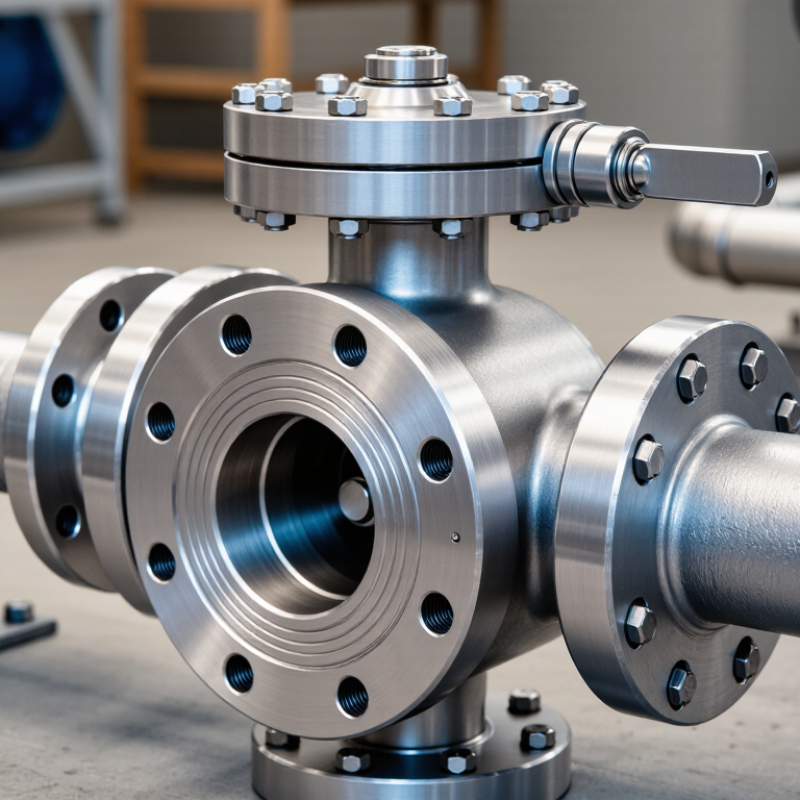
How to Choose a Flange Ball Valve in 2026
Define the Flow, Pressure, Temperature, and Media Requirements
Start with the actual operating window, not just the pipe size. Record normal and peak flow, inlet and outlet pressure, temperature range, and whether the line carries clean liquid, gas, or solids. The U.S. Department of Energy’s pumping-system sourcebook estimates that pumping systems use nearly 20% of global electricity. Correct flow sizing matters: an oversized valve can make control less stable and add avoidable pressure loss. Check the required flow coefficient, Cv, against the expected pressure drop. Leave room for changing demand.
Pressure and temperature must be checked together. ASME B16.34 pressure-temperature ratings vary by valve material and class, so a class number alone does not confirm suitability. For water, IAPWS-IF97 data place the saturation temperature near 180°C at 10 bar absolute. A pressure drop near that condition can cause flashing. That detail is easy to miss. Confirm whether the stated pressure is gauge or absolute, and ask for the full operating envelope.
Media can change the choice just as much. Chlorides, abrasive particles, and viscous fluids may challenge body, seat, and seal materials differently. Specify concentration and contaminants, not merely “corrosive service.” Then review the manufacturer’s material compatibility data and the applicable leakage test requirements, such as ISO 5208. Real systems rarely behave exactly like a clean datasheet example; verify startup, shutdown, and cleaning conditions too.
| Selection dimension | Information to define | Illustrative service data | Selection check |
|---|---|---|---|
| Flow rate and capacity | Minimum, normal, and maximum flow; fluid density and viscosity; allowable pressure drop. | Liquid flow: 10–25 m³/h; allowable valve pressure drop at normal flow: 0.3 bar. Example values only. | Size using the applicable valve capacity coefficient (Cv or Kv) method and actual operating conditions. Do not select by pipe size alone; check whether a reduced-port valve meets the required capacity. |
| Pressure | Normal and maximum operating pressure, design pressure, differential pressure, and any vacuum or pressure-surge conditions. | Normal: 10 bar(g); design: 16 bar(g). These figures are illustrative, not a valve rating. | Confirm the pressure–temperature rating for the valve body material and pressure class. ASME class ratings are not a single pressure value and can vary with material and temperature. Check the applicable flange and valve standards. |
| Temperature | Minimum, normal, and maximum process temperatures, including cleaning, startup, shutdown, and ambient conditions. | Normal: 20–80 °C; design range: −10 to 100 °C. Example values only. | Check the temperature limits of the body, seats, stem seals, and other soft parts together. Seat and seal limits depend on material, pressure, and service conditions. |
| Process media | Fluid name and composition; phase; concentration; pH; contaminants; solids; abrasiveness; toxicity; and corrosion concerns. | Example: clean water with trace suspended solids. Specify particle size and concentration if solids are present. | Verify chemical compatibility for all wetted materials, including body, ball, stem, seats, and seals. Slurries or abrasive particles may require a different trim or valve design. |
| Body and trim materials | Required corrosion resistance, strength, cleanliness, and compatibility with the process and environment. | Common options include carbon steel and stainless steel; final choice depends on the fluid, temperature, pressure, and applicable material specifications. | Confirm material grades and certificates against the project specification. Do not assume that stainless steel is compatible with every chemical or concentration. |
| Flange connection | Nominal pipe size, flange standard, pressure class, facing, and required end-to-end dimension. | Example specification: NPS 2, ASME B16.5 Class 150, raised-face flanges. Verify the project’s piping standard. | Match the valve ends to the mating flanges and gasket arrangement. Confirm dimensional compatibility and that the valve’s pressure–temperature rating is suitable for the service. |
| Port and flow path | Required flow capacity, pigging or drainability needs, and acceptable pressure loss. | A full-port design provides a larger flow passage than a reduced-port design of the same nominal size. | Check the actual bore, capacity data, and installation requirements. A full-port valve may be preferred for pigging or reduced flow restriction, subject to the application. |
| Operation and shutoff | Manual or actuated operation; operating frequency; fail position; required shutoff performance; and available power or air supply. | Example: on/off isolation with a pneumatic actuator and a defined fail-close requirement. | Confirm torque at the maximum differential pressure, actuator sizing, control accessories, and the specified leakage or test standard. A standard ball valve is generally intended for on/off service unless specifically designed and approved for throttling. |
| Testing and compliance | Required design, inspection, pressure-test, emissions, fire-test, and documentation standards. | Specify the required editions and project acceptance criteria; test requirements depend on the application and jurisdiction. | Identify applicable standards in the purchase specification, such as ASME B16.34 for valve pressure–temperature ratings or API 598 for inspection and testing, where applicable. |
Note: Illustrative values are provided to show the information to collect; they are not a valve recommendation or a substitute for engineering review. Final selection should be checked against the applicable standards, manufacturer data, and project requirements.
Record normal and peak flow, inlet and outlet pressure, temperature range, and fluid details. Include solids, contaminants, and startup conditions. Small details matter.
Check the required flow coefficient, or Cv, against the expected pressure drop. An oversized valve may make control less stable and increase pressure loss.
Review the valve’s pressure-temperature table for its material and rating. Confirm whether pressure values are gauge or absolute. A rating number alone is not enough.
Yes. At 10 bar absolute, water saturation is near 180°C. A pressure drop near that condition may cause flashing. That detail is easy to miss.
Check every wetted part, including the body, ball, seats, and seals. Chlorides, abrasive particles, and viscous fluids can affect these materials differently.
Confirm the facing, dimensions, bolt-hole pattern, applicable standard, and pressure class. A valve can fit the pipe and still be unsuitable for service.
Ask for material records, pressure-temperature data, and inspection or test documents. A body stamp alone may not tell the whole story.
Consider purchase, installation, seal replacement, spare parts, and downtime. Effective maintenance programs may reduce costs, but estimates can be uncertain when cycle counts are missing.
Request written service intervals, seat and stem replacement steps, and spare-part lead times. Discuss the plan with the technicians who will maintain the valve. I would double-check the assumptions.
Choosing a Flange Ball Valve in 2026 starts with understanding the service conditions. Define the required flow capacity, operating pressure and temperature range, and the type of media the valve will handle. These details help determine suitable valve materials and pressure ratings, reducing the risk of premature wear, leakage, or poor performance.
Next, confirm that the flange standard, valve size, and face configuration match the piping system. Compare ball design, sealing materials, and manual or automated actuation options based on operating needs. Before making a final selection, review applicable compliance requirements, maintenance access, expected service life, and total lifecycle cost. Considering these factors together helps identify a valve that fits the application reliably and economically.

 Shoulong Valve