In 2026, selecting Forged Valves means looking beyond pressure ratings and purchase price. A valve may sit unnoticed for years, yet its body, trim, and connections must perform when temperature rises or a line cycles repeatedly. The decision starts with the service: fluid, pressure, temperature, operating frequency, and maintenance access. Small details matter.
The International Energy Agency’s World Energy Investment 2024 estimated that global energy investment would exceed $3 trillion that year, with about $2 trillion directed to clean energy. That figure is not a forged-valve market forecast. It does, however, signal continued investment in energy infrastructure, where dependable flow control remains essential. IEA Executive Director Fatih Birol described the wider shift as “the Age of Electricity is dawning.” His remark concerns energy systems, not valve specifications, but it highlights why buyers should assess long-term operating conditions rather than simply choose the lowest quote.
For practical selection, compare material compatibility, pressure class, end connections, inspection records, and applicable design standards. Ask suppliers for traceable material documentation and test records; check that the offered configuration matches the actual service. A polished certificate alone is not enough. Nor is a familiar brand. One imperfect habit in procurement is accepting a datasheet without confirming the operating envelope with the site team. Before choosing, consider what failure would mean, how quickly a replacement could arrive, and whether the valve can be maintained safely. These questions make a stronger starting point for evaluating Forged Valves in 2026.
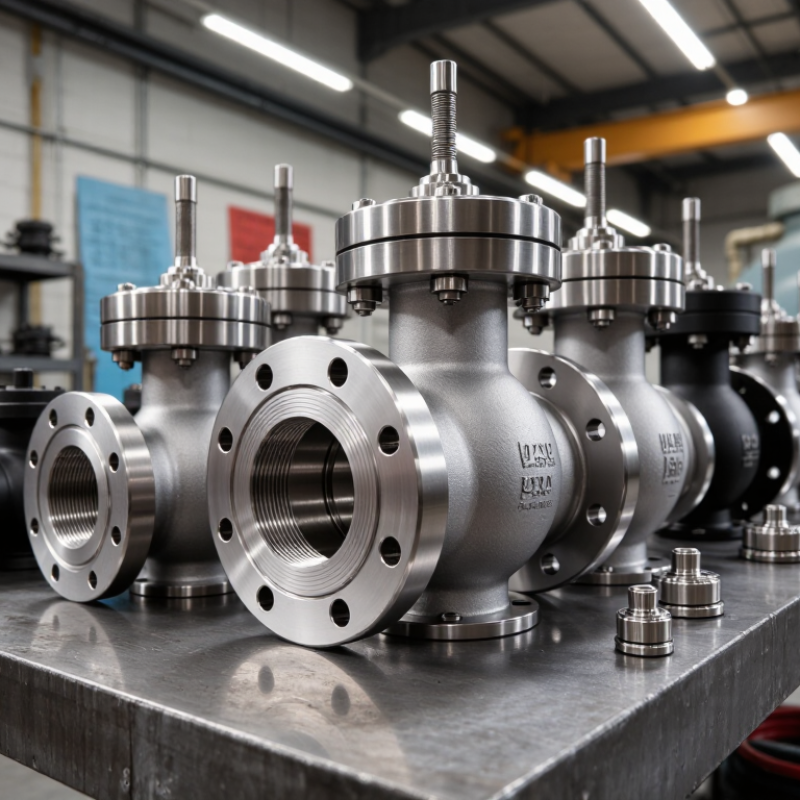
How to Choose Forged Valves in 2026?
Define the Service Envelope: Pressure, Temperature, Fluid, and NPS
Start with the worst credible operating conditions, not the normal reading on a control-room screen. Record design pressure, minimum and maximum temperatures, pressure surges, and start-up or shutdown cases. ASME B16.34-2020 shows why temperature matters: a representative Class 150 WCB rating drops from 285 psi at 100°F to 170 psi at 500°F. These values apply to specified materials and conditions; verify the correct table and edition. Do not treat a class number as a pressure rating in psi. Leave room for uncertainty.
Fluid details matter just as much. Note phase, corrosive constituents, solids, viscosity, and the possibility of flashing. A clean-water assumption can fail when a line carries abrasive particles or changes phase across the valve. Specify the required shutoff performance and check trim and body materials against the actual chemistry. I would still question any datasheet that lists only a fluid name.
Then confirm NPS against the connected pipe and required flow. ASME B36.10M gives a 2-inch NPS pipe an outside diameter of 2.375 inches, but NPS does not define the valve’s clear bore. Pipe schedule, valve design, and end connections can affect the opening and pressure loss. Compare dimensions and flow requirements before selecting a forged valve; a matching NPS alone is not enough.
| Service-envelope dimension | Example design input | What to verify when selecting a forged valve |
|---|---|---|
| Design pressure | Example project cases: 10, 40, 100, or 250 bar(g) | Use the maximum design pressure at the coincident design temperature. Select the pressure class and material using the applicable pressure-temperature tables in ASME B16.34 or the governing project code. Class numbers are not pressure values in psi or bar. |
| Design temperature | Example operating range: −20 to 200 °C; assess start-up, shutdown, and upset extremes separately. | Check the selected material’s allowable pressure at the design temperature, as well as low-temperature toughness and any temperature-related restrictions. For example, ASTM A105 carbon steel and ASTM A350 LF2 low-temperature carbon steel have different application limits; confirm the required grade and impact-test requirements in the project specification. |
| Fluid and compatibility | Identify the fluid, concentration, contaminants, phase, toxicity, and any sour-service or oxygen-service requirements. | Check body, trim, stem, packing, and seat materials against corrosion, erosion, and leakage requirements. Chloride-bearing fluids can cause corrosion or stress-corrosion cracking in susceptible stainless steels; sour service may require compliance with the applicable NACE MR0175/ISO 15156 requirements. |
| NPS and flow path | Common forged-valve sizes include NPS ½ through NPS 2; availability and end connections vary by valve type and design. | NPS is a nominal size, not the measured bore diameter. Confirm the actual port or bore, flow coefficient where relevant, and compatibility with the connected pipe schedule. Do not assume a reduced-port forged valve has the same flow area as the line. |
| End connection | Socket-weld, threaded, or flanged connections, as required by the piping design. | Match the connection type, size, rating, and material to the piping specification. ASME B16.11 covers forged socket-welding and threaded fittings; ASME B16.5 covers applicable pipe flanges. Check threading, weld procedures, and inspection requirements for the actual installation. |
| Operating conditions | Record normal, minimum, maximum, and upset pressure and temperature, plus operating frequency and required isolation duty. | Specify the valve type and direction of flow as applicable. Review shutoff, fugitive-emission, fire-testing, and testing requirements against the governing project specification and applicable standards; do not infer these features from the valve’s pressure class alone. |
The pressure and temperature values above are example design inputs, not valve ratings. Confirm the final pressure-temperature rating, material suitability, dimensions, and certification against the governing code, project specification, and approved valve documentation.
Record design pressure, minimum and maximum temperatures, surges, and start-up or shutdown conditions. Use the worst credible case, not only normal readings.
No. Ratings depend on material and temperature. For example, a representative Class 150 WCB rating drops from 285 psi at 100°F to 170 psi at 500°F. Check the applicable rating table and edition.
Note the fluid phase, corrosive components, solids, viscosity, and possible flashing. State the required shutoff performance, too. A fluid name alone is not enough.
No. NPS does not define the valve’s clear bore. Pipe schedule, valve design, and end connections can affect flow and pressure loss. Check dimensions and flow needs.
A105 forged carbon steel may suit non-sour service within its pressure and temperature limits. Verify the product specification, heat treatment, and material certificates.
No. A182 grades such as F316 may suit some duties, but suitability depends on actual chemistry and conditions. “Stainless” is not a complete specification.
The body and fluid-contacting parts may use different materials. Check stems, seats, and closure surfaces for corrosion, erosion, chlorides, temperature, and galvanic effects. Small details matter.
Apply ISO 15156 guidance to the actual environment, including H2S, acidity, and temperature. Verify hardness, heat treatment, traceability, and material restrictions. I would still question incomplete operating data.
Choosing Forged Valves in 2026 starts with defining the service envelope: operating pressure and temperature, process fluid, and nominal pipe size (NPS). These details help narrow the suitable valve design and connection ends. For smaller installations, API 602 covers forged steel valves up to NPS 4 (DN 100), so confirm that the selected type and end connections match the piping arrangement and operating needs.
Next, specify body and trim materials based on the fluid, service conditions, and corrosion risks. ASTM A105 and ASTM A182 provide material options, while ISO 15156 is relevant when assessing materials for sour service. Check the proposed pressure–temperature limits against ASME B16.34, and verify that inspection requirements are clearly stated. Testing to API 598 and fugitive-emissions qualification to ISO 15848-1 can help confirm that the valve meets the project’s performance expectations. A complete specification makes selection more consistent and supports reliable operation.

 Shoulong Valve