In today's industrial landscape, selecting the right Forged Valves is crucial for optimal performance. According to a recent report by Global Market Insights, the forged valve market is projected to reach $5.4 billion by 2026, driven by the increasing demand from oil and gas industries. This growth highlights the importance of informed choice when selecting these components.
Industry expert John Smith, a senior engineer at Valve Solutions Inc., emphasizes, "The performance of your entire system often hinges on the quality of your forged valves." His insight reinforces the necessity of careful consideration. Factors like material type, pressure ratings, and design standards are pivotal. Yet, many overlook these details, leading to operational challenges and potential failures.
Investing time in research and evaluation is essential. Parameters beyond cost, such as durability and compatibility, must be assessed. Choosing the wrong valve can result in inefficiencies and downtime. Ultimately, balancing quality and expense can be complex but is vital for enhancing performance in your applications.
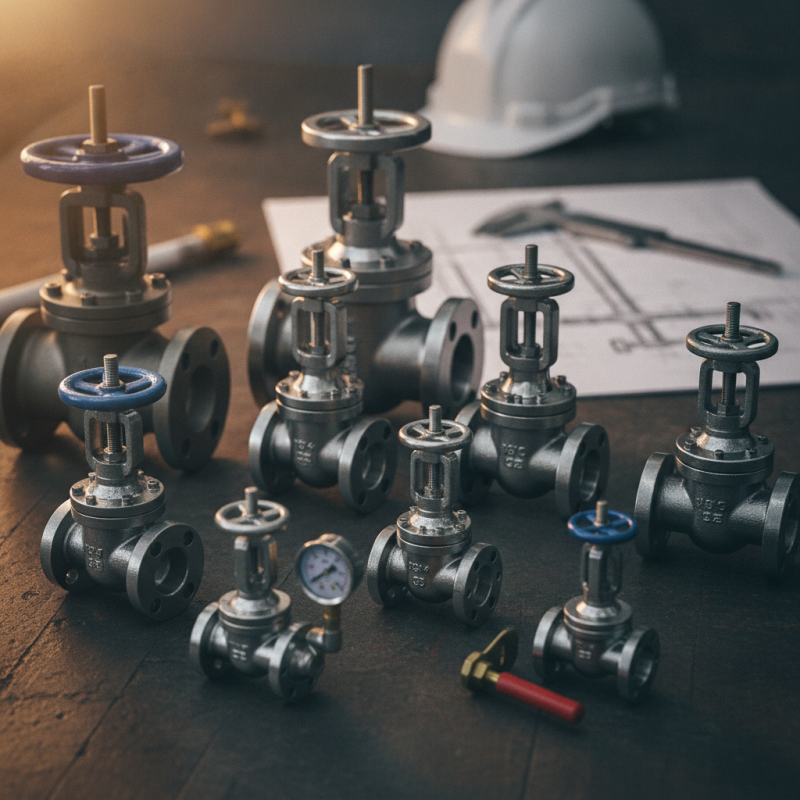
Forged valves are crucial in many industrial applications. They stand out for their high strength and resistance to pressure. Commonly used in oil and gas, water treatment, and power generation, they provide reliable service. According to a recent report from ResearchAndMarkets, the global forged valves market is projected to grow by over 5% annually. This growth reflects their importance across various sectors.
When choosing forged valves, it is essential to consider material quality. Carbon steel and stainless steel are popular choices due to their durability. Understanding the specific environment where the valve will be used is vital. For high-temperature applications, ensuring proper material selection can prevent failures.
Tip: Always verify the manufacturer. Look for certifications that guarantee they meet industry standards.
Another factor is valve sizing. An incorrectly sized valve can lead to inefficiencies. Consulting with an engineer can help in making the right choice.
Tip: Evaluate your system's flow requirements. This can enhance valve performance significantly.
Proper maintenance also plays a role. Regular checks can ensure that valves function optimally and extend their lifespan. Forged valves require attention, and neglecting care could lead to costly repairs. By focusing on these aspects, industries can maximize the benefits of forged valves.
When selecting forged valves, several key factors can greatly influence performance. The material choice is essential. High-quality forged steel often results in superior strength and durability. This enhances resistance to corrosion and high temperatures, ensuring the valves perform reliably over time. Choosing the right material can prevent future failures.
Another important aspect is the valve design. Designs that facilitate smoother flow can enhance efficiency. Considerations like pressure ratings and flow characteristics will affect how well the valve functions in your system. A mismatch might lead to inefficiency or even system failure.
Tip: Always check the manufacturer's specifications. This ensures compatibility with existing systems and compliance with industry standards. Additionally, seek out suppliers with a proven track record. Their expertise can guide you in making informed decisions. Engaging with experts can also reveal potential drawbacks about specific models.
Finally, consider maintenance needs. Some forged valves require regular upkeep, while others are designed for minimal maintenance. Discussing these details with professionals can highlight areas needing attention. Making an informed decision today can prevent significant issues down the line.
When selecting forged valves, material choice plays a critical role in achieving durability. Common materials include stainless steel, carbon steel, and alloy steel. Each material offers unique properties that can enhance performance in various applications. For example, stainless steel is resistant to corrosion and maintains strength under high temperatures. Conversely, carbon steel is often chosen for its toughness and affordability.
Another important aspect is the intended use of the valves. High-pressure systems may demand specific alloys that can withstand greater stress. It's crucial to consider factors such as temperature fluctuations and chemical exposure when making a decision. Some materials may deform or corrode over time, leading to potential failures. Reflecting on past experiences with valve degradation can guide future choices.
Ultimately, understanding the environment in which your valves will operate is key. Many professionals overlook this factor, focusing solely on initial costs. However, investing in durable materials now can prevent costly repairs later. Balancing cost and reliability can be challenging, but it’s necessary for long-term performance. Be open to reevaluating your options and learning from past mistakes to improve your selection process.
When choosing forged valves, evaluating manufacturer reputation is vital. A reliable manufacturer is often backed by years of industry experience. Look for companies with a proven track record in producing high-quality products. Their history can indicate a commitment to excellence and innovation.
Furthermore, valve certifications are crucial. Certifications ensure that the products meet industry standards for safety and performance. Many organizations offer these certifications, but not all manufacturers pursue them. Valves that lack certification may not perform as expected. This lack of validation can lead to costly operational issues down the line.
While many manufacturers boast impressive credentials, it’s essential to verify their claims. Seek out third-party reviews and customer testimonials. Reach out to users who have experience with the valves in question. Their insights can reveal potential pitfalls and advantages that aren’t mentioned in marketing materials. It’s a complex world out there, and due diligence is key.
| Dimension | Specification | Importance |
|---|---|---|
| Material Quality | ASTM A105, A350, A182 | Ensures durability and resistance to corrosion. |
| Pressure Ratings | Class 150, 300, 600 | Determines suitability for various applications. |
| Temperature Range | -29°C to 400°C | Critical for selecting valves for high-temperature applications. |
| Valve Certifications | ISO 9001, API 598 | Ensures compliance with quality and performance standards. |
| Manufacturer Reputation | Established for over 20 years | Experience often correlates with product quality. |
Forged valves play a critical role in various industrial applications. Proper maintenance is key to achieving optimal performance and longevity. According to a report from the American Society of Mechanical Engineers (ASME), inadequate maintenance can reduce the lifespan of forged valves by 30% or more. This emphasizes the need for diligent maintenance practices.
Regular inspections are essential. Look for signs of wear, leaks, or corrosion. Implementing a routine maintenance schedule can help identify potential issues early. Consider using predictive maintenance techniques, such as vibration analysis. This method can provide data on valve performance, allowing for timely interventions.
It’s vital to keep records of maintenance activities. These records help track valve performance and guide decision-making. When faced with unexpected failures, historical data can reveal patterns. Choose lubricants that meet industry standards. Poor quality lubricants can lead to accelerated wear.
Finally, training staff on proper handling and care of forged valves is crucial. Knowledgeable personnel can prevent mistakes that lead to costly repairs. Emphasizing education can enhance overall valve management practices. Regular maintenance, informed choices, and training collectively maximize forged valve efficiency.
: Forged valves are used in oil and gas, water treatment, and power generation, ensuring reliable service.
High-quality materials like carbon and stainless steel enhance durability and prevent failure in specific environments.
Incorrectly sized valves can lead to inefficiencies in the system, causing operational issues.
Proper material selection is crucial to prevent failures in high-temperature environments.
A reliable manufacturer indicates a commitment to quality and innovation, enhancing overall performance.
Certifications ensure the valves meet industry standards, preventing potential operational issues.
Some forged valves need regular upkeep, while others are low-maintenance. Awareness is essential.
Experts can provide insights into potential drawbacks and help in making informed choices.
Verification can reveal advantages or pitfalls that may not be listed in marketing materials.
Evaluating flow requirements can significantly enhance the efficiency of the valve in the system.
When selecting forged valves to enhance performance, it is essential to understand their fundamental characteristics and applications. Key factors include the specific pressure and temperature requirements of your system, as well as the compatibility of the valve materials with the fluids being controlled. Material selection is crucial for ensuring the durability and longevity of forged valves; using high-quality materials can significantly reduce wear and prevent failures.
Moreover, evaluating the reputation of manufacturers and their valve certifications is vital in ensuring you receive reliable products. Finally, ongoing maintenance plays a critical role in maximizing the efficiency of forged valves. Regular inspections and proper care can help maintain optimal performance, ensuring that these components function effectively over time. By considering these aspects, one can make informed decisions that enhance system reliability and efficiency.

Shoulong Valve