When selecting the right welded valve, expertise is essential. Jeremy Collins, a renowned expert in the welded valve industry, once said, "Choosing the right valve is like finding the perfect key for a lock." His insight underscores the importance of a precise fit for your needs.
Welded valves offer unique advantages in terms of strength and durability. However, the decision-making process can be complex. Valves vary vastly in design, materials, and applications. Every choice carries significant implications for system performance and reliability. A minor oversight may result in costly failures.
Understanding your specific requirements is crucial. Analyze the environment and fluids involved. Consider factors like pressure, temperature, and corrosion resistance. A well-informed choice in welded valves leads to enhanced efficiency and longevity. While you may feel overwhelmed, taking time to reflect on these aspects can lead to breakthroughs in performance and safety.
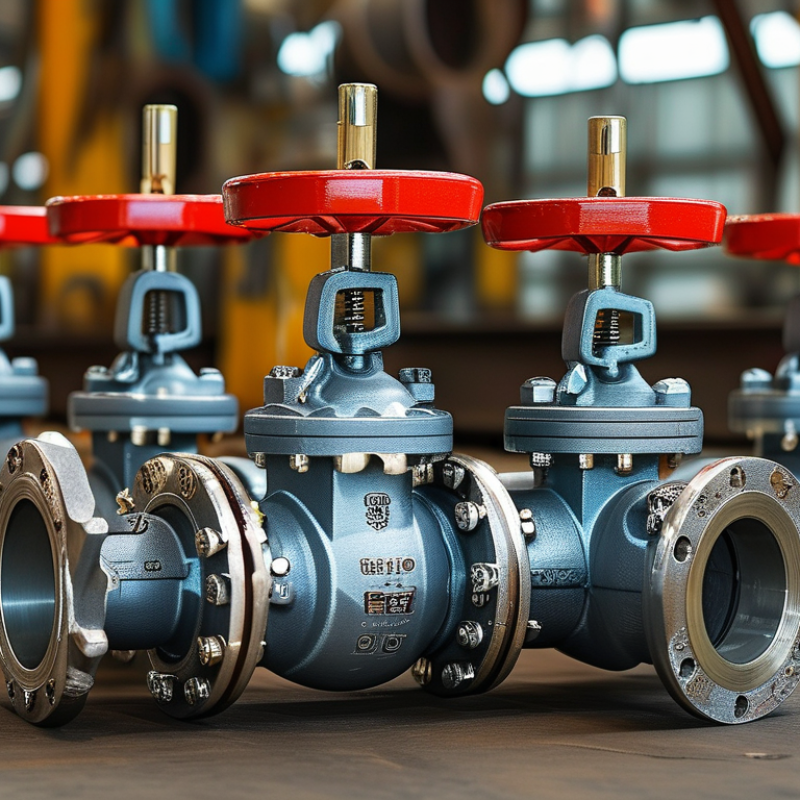
Welded valves come in various types, each suited for specific applications. Understanding these types is essential for making the right choice. Common types include ball valves, globe valves, and gate valves. Each type has unique features that affect their functionality and reliability.
Ball valves are known for their quick operation. They offer tight sealing and are ideal for flow regulation. Globe valves provide excellent flow control but can restrict flow due to their design. Gate valves, on the other hand, are suitable for fully open or closed applications. However, they may not be as efficient for throttling.
Selecting the correct welded valve requires evaluating your needs. Think about the fluid types and temperatures involved. Consider the installation space available. Each decision impacts performance and safety. Sometimes, a less popular option fits better than expected. Reflect on your unique requirements to find the perfect match.
When selecting welded valves, it's essential to evaluate material compatibility meticulously. Different materials respond uniquely to temperature and pressure fluctuations. For instance, stainless steel may be ideal for corrosive environments, while other materials could become compromised. Assessing the specific fluid types in your system is a critical step. Some chemicals can weaken certain materials, leading to failures that require costly repairs.
Consider the operating conditions of your system. High temperatures and pressures demand robust materials that can withstand stress. A poorly chosen material may affect not only the valve’s performance but also the entire system's integrity. It's wise to consult with experts who can provide insights based on their experience. This can save you from making decisions that later require adjustments.
Don’t overlook the importance of certifications and standards. Reliable welded valves should meet industry specifications to ensure safety and effectiveness. However, not all valves on the market adhere to these standards, which can lead to unforeseen issues. Stay vigilant, do thorough research, and ensure your selection fits both your needs and your operating environment seamlessly.
When selecting a welded valve, understanding pressure and temperature ratings is crucial. These ratings directly impact a valve's performance and lifespan. A valve rated for higher temperatures can handle extreme environments, while a suitable pressure rating ensures it won’t fail under stress. Always check the specifications to match your system's requirements.
Consider the materials used in the valve as well. Some materials endure high pressures but may not withstand certain temperatures. Documenting your system's demands can help in this assessment. A mismatch can lead to leaks, failures, or even accidents.
It’s essential to consider your application specifics. Reflect on your operational parameters and environmental conditions. A valve that works well in one situation may not perform adequately in another. Ensuring compatibility between the valve and your system can prevent costly repairs and downtime. Regular review of performance metrics can also guide future valve choices.
Choosing the right welded valve requires careful consideration of specific features and functions. Various industries utilize welded valves, each with unique demands. In chemical processing, for instance, resistance to corrosive substances is critical. Reports indicate that over 70% of valve failures originate from material incompatibility, leading to significant downtime and costs.
When selecting a welded valve, assess the material construction. Stainless steel is a common choice for its durability and corrosion resistance. However, it may not always suit high-temperature applications. According to industry analyses, approximately 20% of users overlook temperature ratings, resulting in ineffective performance.
Pressure rating is another vital factor. Valves must endure the operational pressures of the system. Industry standards suggest that 35% of welded valves fail due to inadequate pressure ratings. It’s prudent to consult with experts who specialize in valve specifications. Engaging with knowledgeable professionals may help mitigate risks associated with improper selections. Users should also reflect on their operational environment and review past valve performance to inform future choices.
When selecting a welded valve, cost-effectiveness and maintenance needs should take center stage. A recent industry report indicates that maintenance costs can account for up to 20% of total valve ownership expenses. This highlights the importance of choosing valves designed for longevity and lower maintenance requirements. Investing in quality materials reduces the frequency of repairs, minimizing downtime and maximizing productivity.
Another factor to consider is the initial cost of the valve. While cheaper options may be tempting, remember that they often lead to higher maintenance costs over time. A study by the Valve Manufacturers Association shows that a high-quality welded valve can save up to 30% in lifetime maintenance costs compared to low-cost alternatives. It's crucial to balance upfront costs with the potential long-term savings.
Welded valve selection also involves careful consideration of application-specific needs. Some industries demand valves to withstand high pressures or corrosive environments. The right choice can lead to more efficient operations. However, poor choices can lead to frequent repairs and inconvenience. Understanding specific operational demands can aid in making informed selections. Investing time in this evaluation can yield substantial returns in both reliability and performance.
: Focus on pressure ratings, temperature ratings, material compatibility, and maintenance needs for optimal performance.
Higher temperature ratings allow valves to handle extreme conditions, while correct pressure ratings prevent failure under stress.
It ensures you choose a valve that meets your specific requirements and helps avoid leaks or failures.
Maintenance can account for up to 20% of total costs, emphasizing the need for low-maintenance, durable valves.
Cheaper valves may result in higher maintenance costs over time, so consider long-term savings when selecting.
Matching the valve type to operational parameters can prevent frequent repairs and costly downtime.
Assess environmental conditions and specific application needs to choose the right valve for effective operations.
It helps in understanding valve performance trends and guides future selections for better reliability.
Yes, inadequate valves can cause frequent repairs and inconveniences, affecting overall productivity.
Absolutely, a thoughtful selection process can lead to substantial long-term benefits in reliability and performance.
Choosing the right welded valve is crucial for ensuring the efficiency and reliability of your system. First, it's important to understand the various types of welded valves and their specific applications, as each type serves different purposes in various industries. Evaluating material compatibility is another key aspect; the materials used in the welded valve must align with the substances they will control to prevent degradation and ensure safety.
Additionally, assessing the pressure and temperature ratings of a welded valve is vital for optimal performance in your application. Identifying key features such as actuation mechanisms and flow control capabilities can help in meeting specific operational requirements. Lastly, considering cost-effectiveness and maintenance needs ensures long-term reliability and minimal downtime, making your choice not only practical but also economical. Overall, taking these factors into account will lead to a well-informed decision in selecting the right welded valve for your needs.

Shoulong Valve