Choosing among China’s top 10 Double Block Valve suppliers requires more than comparing catalogs or factory photographs. Buyers must examine design experience, material traceability, pressure testing, sealing performance, and after-sales support. A supplier may offer an attractive price, yet still lack reliable documentation or consistent production control. That weakness can become expensive during commissioning.
Philip L. Skousen, author of Valve Handbook, emphasized, “The valve must be selected for the service, not merely for the line size.” This principle remains practical. A Double Block Valve for crude oil service faces different demands from one used in natural gas, chemical processing, or water systems. Body material, seat design, cavity relief, actuator response, and emergency shutdown requirements all deserve close attention.
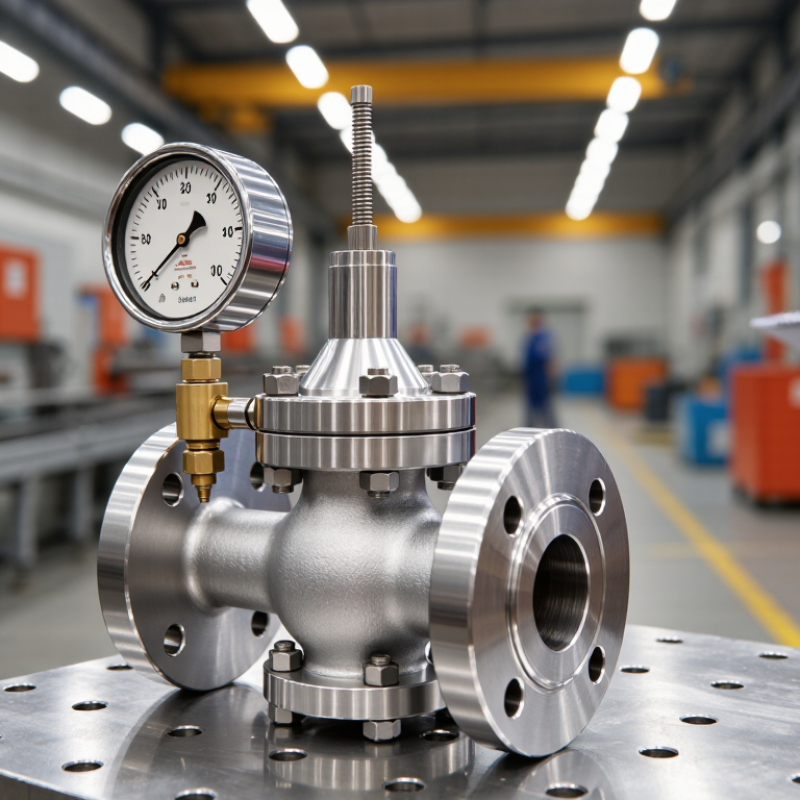
This guide introduces ten notable Chinese suppliers through a buyer-focused lens. It considers manufacturing capability, relevant certifications, testing facilities, export experience, customization, and project references. Factory scale matters. So does the technician checking a pressure gauge at the test bench.
The ranking is not absolute. That needs admitting. A supplier suitable for a compact skid may not fit a large offshore project. Some manufacturers communicate quickly but provide limited technical evidence. Others deliver strong engineering yet need longer lead times. These imperfections affect real purchasing decisions.
The goal is not to promote one company blindly. It is to help engineers, contractors, and procurement teams ask sharper questions before selecting a Double Block Valve supplier. Reliable isolation begins with reliable verification.
What Is a Double Block Valve and How Does It Work?
A double block valve provides two separate barriers against process fluid. It is used when one isolation point is not enough. The design usually combines two shutoff elements in one body or assembly. These elements may be ball, gate, or plug valves. A small bleed port sits between them.
During operation, the upstream and downstream valves close independently. The trapped cavity can then be vented or drained through the bleed connection. This creates a visible pressure check. If pressure returns after bleeding, one barrier may be passing fluid. That finding should not be ignored. It may indicate damaged seats, debris, or incorrect installation.
Field technicians often confirm valve position, inspect the bleed line, and record pressure readings. A cold morning can produce different results from a warm afternoon. Trapped liquid may also expand and create unexpected cavity pressure. This detail is easy to miss. Regular testing should follow the equipment risk assessment and applicable industry standards. Manufacturers should provide pressure ratings, materials, temperature limits, and operating instructions. However, paperwork does not replace a real inspection.
A double block valve is valuable around pumps, storage systems, and maintenance boundaries. It can reduce the chance of fluid reaching isolated equipment. Still, it is not automatically fail-safe. Poor alignment, worn seals, or a blocked bleed path can defeat its purpose. Experienced operators verify the actual pressure condition instead of trusting the handle position alone.
Key Standards for Evaluating Double Block Valve Suppliers in China
China Top 10 Double Block Valve Suppliers?
Evaluating double block valve suppliers in China requires more than comparing prices. Check whether the supplier designs valves against API 6D, ASME B16.34, ISO 5208, or applicable Chinese standards. The chosen standard must match the pipeline service. Confirm pressure class, bore size, body material, sealing design, and temperature range. A capable engineering team should explain whether the valve provides true double isolation or a double isolation and bleed function.
Factory evidence matters. Request material certificates, heat numbers, dimensional reports, and pressure-test records. During a factory visit, inspect machining areas, assembly cleanliness, and calibration labels. Ask to witness hydrostatic and gas seat tests during FAT. Test pressure, holding time, leakage limits, and acceptance criteria should appear in approved procedures. For sour service, verify compliance with NACE MR0175 or ISO 15156 where applicable. Do not accept a certificate without traceable test data.
Supplier reliability also depends on after-sales control. Review previous delivery records, nonconformance reports, spare-parts support, and response times. A supplier should identify its subcontractors openly, especially for casting, coating, and actuator work. Some companies present polished documents but weak process discipline. That deserves scrutiny. No supplier is flawless, including experienced manufacturers. The stronger ones admit limitations, record corrective actions, and improve their inspection plans. A clear warranty, practical communication, and stable production capacity often reveal more than a low quotation.
China Top 10 Double Block Valve Suppliers? Key Standards for Evaluating Suppliers in China
This chart presents a practical, non-company-specific evaluation framework for double block valve suppliers. The weighting emphasizes internationally recognized requirements, including API 6D and ISO 14313 for pipeline valves, ASME B16.34 for valve design and pressure-temperature ratings, API 6FA for fire testing, ISO 15848-1 for fugitive emissions, and NACE MR0175/ISO 15156 for sour-service materials.
Top 10 Double Block Valve Suppliers in China
China’s top 10 double block valve suppliers serve oil, gas, chemical, power, and water projects. Their products commonly include forged or cast bodies, expanding gates, and double isolation systems. Buyers should check pressure ratings, temperature limits, valve size, and seat leakage performance. A reliable supplier can provide material certificates, pressure-test records, dimensional drawings, and traceability documents for each valve.
In practical procurement, factory experience matters more than a polished website. Visit the production line when possible. Inspect machining accuracy, welding control, assembly areas, and testing equipment. Ask how the supplier manages fugitive emissions, corrosion protection, spare parts, and after-sales support. International certifications may help, but certificates alone cannot prove stable production. One overlooked detail can delay an entire pipeline project.
Tips: Compare at least three technical quotations. Request test videos for large valves. Confirm the exact standard edition before ordering. Check whether the actuator, coating, and connection type match your project. Some suppliers respond quickly but explain testing poorly. That is a warning sign, although not always a final judgment. A careful buyer should record every question and require written answers before approving the purchase.
Product Range, Manufacturing Capabilities, and Industry Applications
China Top 10 Double Block Valve Suppliers: Product Range, Manufacturing Capabilities, and Industry Applications
A useful China top-ten comparison should examine product depth, not only export volume. The industrial valves market reached about USD 78.36 billion in 2023, according to Grand View Research. Its report forecasts a 4.8% annual growth rate from 2024 to 2030. This demand supports wider double block and bleed valve production. Typical ranges include forged and cast bodies, floating or trunnion-mounted ball designs, gate valves, and compact modular units. Pressure classes commonly extend from low-pressure utility service to high-pressure pipeline duty. Product catalogs can mislead.
Manufacturing capability separates serious suppliers from trading companies. Strong factories operate CNC machining centers, controlled forging or casting lines, and documented assembly procedures. They also provide hydrostatic, pneumatic seat, fugitive-emission, and helium leak testing when required. API 6D, ISO 15848, and relevant ASME requirements help buyers compare evidence. Material traceability matters, especially for duplex stainless steel, alloy steel, and low-temperature carbon steel. Some suppliers still describe testing vaguely. That weakness deserves attention.
Industry applications include oil and gas pipelines, tank farms, refineries, chemical units, LNG terminals, and power facilities. The IEA Gas Market Report, Q1 2024, noted roughly 2% growth in global LNG trade during 2023. That expansion increases demand for low-temperature valves and reliable isolation systems. In field conditions, operators need visible bleed connections, drain arrangements, fire-safe construction, and maintainable seals. Water treatment uses some double isolation designs, but corrosive service changes material selection. Application fit matters more than a polished brochure.
How to Select the Right Chinese Double Block Valve Supplier
Selecting the right Chinese double block valve supplier requires more than comparing prices. Start by matching the supplier’s experience with your application. Oil terminals, gas processing units, and chemical pipelines may need different materials, sealing systems, and pressure classes. Ask for project references involving similar media, temperatures, and operating cycles.
Review technical documents carefully. Confirm body materials, seat design, fire-safe performance, cavity relief, and end connections. Request pressure-test procedures and inspection records. A reliable supplier should explain testing in practical terms, not only send a certificate. Factory visits can reveal machining conditions, calibration systems, and assembly discipline. Look for heat-number traceability on valves, not just polished paperwork.
Communication matters greatly. Can the engineering team answer a detailed question within one working day? Do drawings reflect your actual pipeline dimensions? Clarify delivery control, spare parts, warranty terms, and support after shipment. An independent inspection may be worthwhile for critical orders. It adds cost, but it can expose coating damage or incorrect materials before dispatch. Low prices attract attention. They also deserve careful questioning. No audit is perfect, and even experienced buyers can overlook small details, such as actuator compatibility or drain orientation. Leave room for technical review, because rushed approval often creates expensive changes later.
FAQS
They are used in pipelines, refineries, chemical units, LNG terminals, power facilities, and tank farms. Water treatment may also use them. Material selection changes with corrosion.
Suppliers commonly offer forged or cast bodies, gate valves, and ball valves. Ball valves may use floating or trunnion-mounted designs. Compact modular units are also available.
Confirm pressure rating, temperature range, valve size, connection type, and seat leakage performance. Check actuator compatibility. Small mismatches can delay installation.
Request material certificates, pressure-test records, dimensional drawings, and traceability documents. Ask for coating and inspection records. Missing paperwork is a concern.
Inspect machining centers, forging or casting areas, assembly spaces, and testing equipment. Review welding controls and production records. A polished website proves little.
Common tests include hydrostatic testing, pneumatic seat testing, fugitive-emission testing, and helium leak testing. Large valves may need recorded test videos. Evidence matters.
Experienced factories usually control machining accuracy, assembly procedures, material traceability, and inspection activities. Trading companies may offer limited production evidence. That is not always decisive.
Compare at least three technical quotations, not only prices. Review pressure classes, materials, testing, delivery, spare parts, and support. Fast replies can still hide weak explanations.
Match the valve with service temperature, pressure, corrosion conditions, actuator type, coating, and pipeline connection. Check the exact standard edition before ordering. Record every answer in writing.
Vague testing descriptions, incomplete traceability, unclear leakage data, and missing drawings require further questions. One warning sign is not final proof. Still, pause before approval.
Conclusion
This article provides a practical guide to China’s Double Block Valve supply market, beginning with an explanation of how these valves use two independent sealing mechanisms to improve isolation, safety, and maintenance efficiency in demanding pipeline systems. It also introduces the key standards for evaluating suppliers, including design quality, material selection, pressure ratings, testing procedures, production traceability, certifications, and quality control capabilities.
The overview compares the product ranges, manufacturing strengths, and industry applications commonly found among leading Chinese suppliers, covering energy, chemical processing, water treatment, and industrial pipeline projects. It concludes with a clear supplier selection framework, helping buyers assess technical expertise, customization capacity, delivery reliability, after-sales support, documentation, and total project value before making a purchasing decision.

 Shoulong Valve