In the rapidly evolving world of industrial components, Manual Ball Valves stand out as crucial tools in various applications. Their ability to control the flow of liquids and gases with precision makes them indispensable. Global buyers increasingly seek reliable suppliers to ensure quality and longevity.
Navigating the market for Manual Ball Valves can be overwhelming. Not all suppliers offer the same level of expertise and reliability. Buyers must consider factors like material quality, valve size, and application compatibility. Furthermore, discrepancies in manufacturing standards across regions can lead to challenges.
As the demand for manual valves grows, identifying top suppliers becomes vital. Trustworthy suppliers combine experience and authority in their field. By focusing on these parameters, buyers can make informed decisions. Choosing the right supplier will ultimately impact operational efficiency and safety.
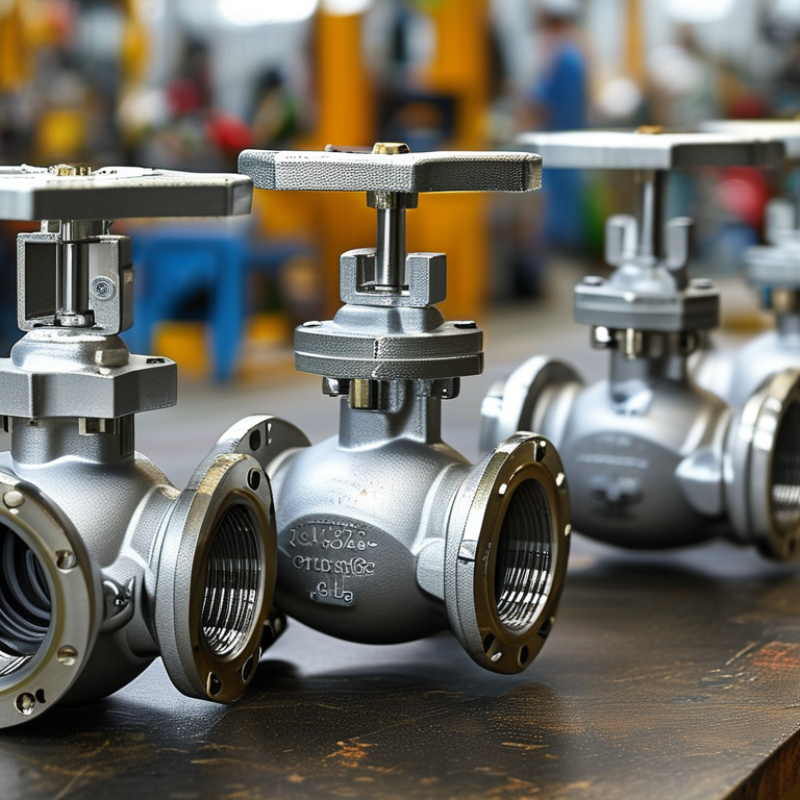
The manual ball valve market is evolving rapidly in 2026. Buyers worldwide seek reliable suppliers for quality products. This sector caters to various industries, including oil, gas, and water management. The demand for durable and efficient valves drives innovation in materials and designs.
Tip: Always assess product specifications before purchasing. Focus on the valve's size, pressure ratings, and materials. These factors greatly influence performance and longevity.
The market landscape reflects increased focus on sustainability. Many manufacturers are adopting eco-friendly materials. Yet, challenges remain. Not all products meet regulatory standards, which can lead to significant issues. Buyers need to verify compliance and reliability.
Tip: Establish clear communication with suppliers. Ask about certifications and quality control practices. This ensures you receive trustworthy products that meet your operational needs. Understanding these dynamics can foster better purchasing decisions.
The demand for manual ball valves is evolving rapidly. Industries require reliable solutions for fluid control. This growth is influenced by various key factors.
Firstly, the rise in industrial automation boosts the need for efficient valve systems. Automation enhances productivity and accuracy in operations. Additionally, manual ball valves are renowned for their simplicity and durability. Their design allows for easy maintenance, which is appealing to businesses looking for cost-effective solutions.
Furthermore, stringent safety regulations drive the adoption of high-quality valves. Companies prioritize safety in production environments, making manual ball valves a preferred choice. While this demand creates opportunities, supply chain issues occasionally arise. Some suppliers struggle to meet growing needs. It is important for buyers to assess supplier reliability and performance. Understanding these dynamics is crucial for success in selecting the right manual ball valve supplier.
In the world of industrial plumbing, manual ball valves play a crucial role. As of 2023, the global ball valve market is valued at approximately $12 billion, with expectations of steady growth. Manual ball valves, known for their reliability and cost-effectiveness, are particularly popular in oil, gas, and water treatment sectors. Leading suppliers are crucial to meet the rising demand.
A comparative analysis reveals that various suppliers offer diverse features. Some focus on high-pressure applications, while others prioritize corrosion resistance. For instance, valves made from stainless steel provide durability against harsh environments. A recent report indicated that over 55% of buyers prefer suppliers that offer valves with customizable options. This flexibility can cater to specific industry needs, enhancing efficiency.
However, buyers must weigh stability and innovation. Some suppliers may offer advanced designs at premium prices, which might not justify the value for smaller projects. Others might compromise quality for cost, leading to failures in critical applications. Understanding these dynamics is essential for global buyers to make informed decisions in 2026. Balancing reliability and cost will be the key challenge for sourcing the right manual ball valves.
The manual ball valve manufacturing industry is witnessing exciting innovations. Manufacturers are focusing on materials that enhance durability and performance. Lightweight composite materials are becoming popular. They improve efficiency while reducing the environmental footprint. Also, manufacturers are exploring eco-friendly coatings that increase corrosion resistance. These advancements ensure longer service life.
Automation is another trend shaping the industry. While manual operation remains key, hybrid systems are on the rise. These systems integrate manual controls with automated features. This blend allows better monitoring and makes maintenance easier. However, the transition to automation poses challenges. Not all users are comfortable with technology. Training may be necessary to bridge this gap.
Sustainability is a crucial concern in 2026. Companies are adopting green practices in production and supply chain management. Energy-efficient processes are reducing waste. Yet, some manufacturers struggle to balance cost and sustainability. This conflict highlights the need for better strategies. Continuous improvements in eco-design could address this need effectively. Emphasizing innovation is essential for staying competitive in this evolving market.
As the demand for manual ball valves continues to grow, several regions are emerging as significant markets for these essential components. In 2026, North America is expected to lead in sales volume. Industrial expansion, particularly in oil and gas, drives this trend. Companies are increasingly investing in upgrading their facilities, which often requires reliable valve solutions. Additionally, the focus on safety regulations has heightened the need for high-quality ball valves.
Asia-Pacific is another region to watch. Rapid industrialization and urbanization in countries like India and China fuel the growth of various industries. These developments increase the need for efficient fluid control systems. However, sourcing quality products remains a challenge in this region. Suppliers must navigate local regulations and market dynamics. This complexity can lead to inconsistencies in product quality. Buyers often find it difficult to identify reliable suppliers in this expanding market.
Europe also plays a crucial role in the manual ball valve landscape. There is a strong emphasis on environmentally friendly practices. Many manufacturers are shifting towards sustainability in their production processes. Despite these efforts, some industries still struggle to meet compliance standards. This often results in delays and increased costs, impacting the overall supply chain. Buyers must remain vigilant about the qualifications of their suppliers to ensure they meet industry requirements.
: Assess product specifications. Focus on size, pressure ratings, and materials for better performance.
Industries need reliable fluid control solutions. Automation also boosts the demand for efficient systems.
They are simple, durable, and easy to maintain. This appeals to businesses seeking cost-effective solutions.
Many manufacturers are adopting eco-friendly materials but challenges remain with meeting regulatory standards.
Communicate clearly with suppliers about certifications and quality control practices. Verify their reliability.
Supply chain issues can hinder some suppliers from keeping up. Assessing supplier performance is crucial.
Yes, over 55% of buyers prefer suppliers offering customizable valves to meet specific needs.
Some lower-cost suppliers may compromise quality. This can lead to failures in critical applications.
Companies prioritize safety, driving the need for high-quality valves in production environments.
Balancing reliability and cost is essential. It’s vital to make informed decisions when sourcing.
The manual ball valve market is poised for significant growth in 2026, driven by increased industrial activities and the demand for reliable fluid control solutions. Key factors fueling this demand include the need for energy efficiency and the rising adoption of automated systems in various sectors. A comparative analysis of leading suppliers showcases their innovative approaches in manufacturing, emphasizing advancements in materials and design that enhance performance and durability.
Regional insights indicate that certain markets will be at the forefront of this growth, highlighting areas with burgeoning industrialization and infrastructure development. As the manual ball valve industry evolves, staying informed about the latest trends and innovations will be crucial for stakeholders seeking to capitalize on emerging opportunities in this dynamic market.

Shoulong Valve