The global market for Metal Ball Valves is evolving rapidly. By 2026, buyers will encounter various options tailored to diverse applications. Experts predict significant advancements in design and materials that will enhance performance and durability. According to John Smith, a renowned specialist in this industry, “The future of Metal Ball Valves lies in innovation and quality assurance.”
As new challenges arise, the demand for reliable valves grows. Manufacturers are now focusing on blending efficiency with sustainability. Buyers are encouraged to consider not just the price but also the long-term performance of these critical components. There's a need for continuous evaluation of choices available in the market.
While the existing metal ball valve types serve many purposes, they are not without limitations. Customers must often navigate complex specifications and standards. To make informed decisions, buyers must reflect on their specific requirements. The journey to selecting the right Metal Ball Valve will certainly require diligence and research, but with expertise, the right solutions are attainable.
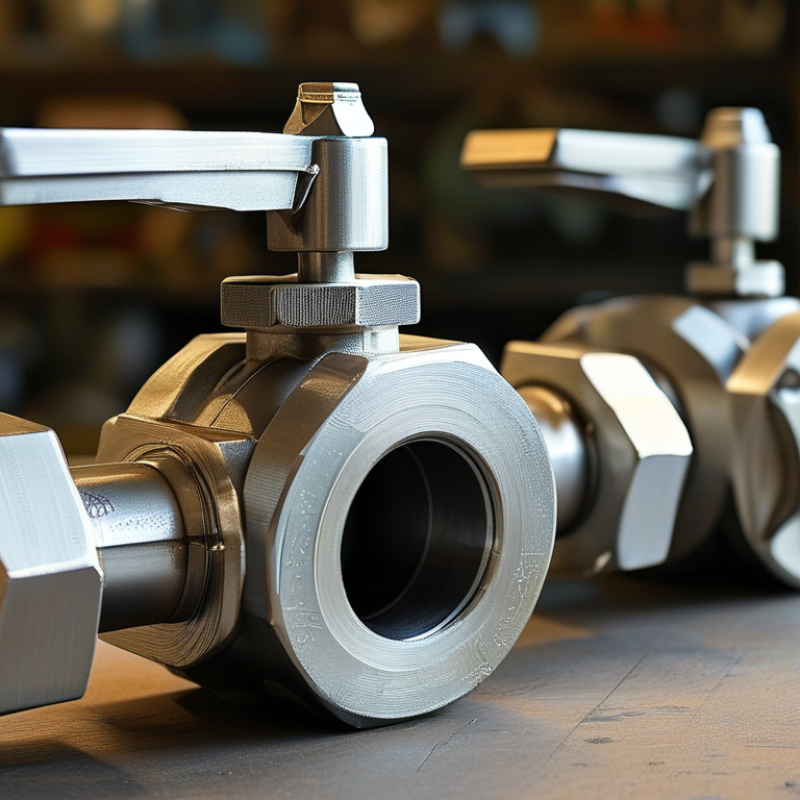
In the global market, various metal ball valve types cater to diverse industrial needs. These valves are crucial for controlling fluid flow in pipelines. Common types include floating ball valves and trunnion-mounted ball valves. Floating ball valves are often used for lower pressure applications. They allow for easy operation and maintenance, but may struggle under high pressure.
Trunnion-mounted ball valves offer enhanced stability and control. They are suitable for high-pressure applications in oil and gas industries. These valves include additional components, ensuring a tight seal. Yet, they tend to be more expensive and complex. Buyers must weigh the benefits against their specific applications and budgets.
Emerging trends suggest an increase in demand for automated ball valves. These valves improve operational efficiency and safety. However, the technology is not flawless. Users may encounter compatibility issues with existing systems. Understanding these nuances is essential for making informed purchasing decisions in 2026.
In 2026, metal ball valves are gaining traction among global buyers. These valves are recognized for their durability and efficiency in controlling fluid flow. Their design typically incorporates stainless steel or brass, ensuring resistance to corrosion and high pressures. Recent studies suggest that the global metal ball valve market will grow by 5% annually, reflecting an increasing reliance on robust valve solutions across various industries.
Key characteristics dictate their selection in industrial applications. For instance, the tight sealing capability of metal ball valves prevents leaks, which is crucial in oil and gas industries. They can function effectively in extreme temperatures, enhancing operational reliability. Moreover, the ease of maintenance appeals to manufacturers. A report from Valve Manufacturers Association indicates that metal ball valves have a life span exceeding 20 years with proper care.
Tips for selecting the right metal ball valve include assessing the material compatibility with your fluid type. Always verify pressure ratings to ensure safety. Additionally, consider maintenance requirements, as some models are designed for easier accessibility. Regular inspections will help identify wear and prevent costly failures. Remember, investing time in choosing the right valve can yield long-term benefits.
In 2026, the choice of metal ball valve materials will play a crucial role for global buyers. Among the leading materials, stainless steel stands out for its corrosion resistance and durability. According to industry reports, over 40% of ball valves manufactured today are made from stainless steel. This material's ability to withstand harsh environments makes it a favored choice in sectors like oil and gas.
Carbon steel is another popular option, particularly for lower-cost applications. Its strength is significant, yet it can be prone to rust when not properly coated. Estimates indicate that carbon steel options account for about 25% of the market. Additionally, alloy steel valves are becoming increasingly relevant due to their enhanced performance in extreme temperatures and pressures.
Buyers must also consider the trade-offs with these materials. While stainless steel offers longevity, it comes with a higher upfront cost. Carbon steel, although cheaper, may require more frequent replacements in corrosive environments. Making informed decisions requires understanding the specific application needs and potential long-term costs associated with each material type.
| Valve Type | Material | Temperature Range (°C) | Pressure Rating (bar) | Applications |
|---|---|---|---|---|
| Floating Ball Valve | Stainless Steel | -10 to 120 | 20 | Water, Oil, Gas |
| Trunnion Mounted Ball Valve | Carbon Steel | -20 to 200 | 40 | Oil & Gas, Petrochemical |
| V-Port Ball Valve | Bronze | -30 to 150 | 25 | Chemical Processing |
| High-Pressure Ball Valve | Nickel Alloy | -50 to 300 | 100 | Power Plants, Aerospace |
| Dual-Plate Ball Valve | PVC | 0 to 60 | 10 | Water Treatment |
Metal ball valves serve diverse applications across various industries. In the oil and gas sector, they manage the flow of hydrocarbons under high pressure. Their ability to withstand extreme temperatures makes them an ideal choice for crudes and processed fuels. In the chemical industry, these valves ensure safe handling of corrosive substances. Their reliable sealing features reduce leakage risks, promoting safety and efficiency.
Water treatment plants frequently use metal ball valves for control and regulation. They help maintain optimal flow rates, ensuring effective purification processes. In manufacturing, these valves play a critical role in controlling processes such as cooling and heating. The consistent performance of metal ball valves can significantly influence operational efficiency.
However, there are challenges associated with their use. Maintenance can be rigorous, especially in high-demand environments. Monitoring wear and tear is vital for preventing failures. Moreover, selecting the wrong type for a specific application can lead to inefficiencies. Each industry must weigh the benefits against potential drawbacks. This careful consideration ensures the effective use of metal ball valves.
The global market for metal ball valves is evolving rapidly. Innovations in design and materials are crucial. In 2026, we expect to see significant advancements that enhance efficiency and performance. According to industry reports, the demand for durable and lightweight materials is increasing.
New coatings and finishes are being developed to improve corrosion resistance. These advancements can extend the lifespan of valves. Additionally, smart technology integration is becoming popular. Many companies are focusing on IoT-enabled valves for better monitoring and control. These features provide users with real-time data, allowing for proactive maintenance.
Tip: When selecting a metal ball valve, consider the specific application and environmental conditions. Evaluate how often the valve might need maintenance.
As manufacturers continue to innovate, some aspects may fall short. Not all new designs are universally applicable. User feedback is essential in identifying potential weaknesses. It's important to choose designs that have undergone thorough testing and validation.
Tip: Always consult with industry experts when choosing valve types. Understanding the latest trends ensures better decision-making.
This chart illustrates the projected market share of various types of metal ball valves in 2026, highlighting the trends and innovations shaping the industry.
: Stainless steel is the most popular material, known for its corrosion resistance and durability.
Carbon steel options account for about 25% of the market, often used for lower-cost applications.
Stainless steel offers long-lasting durability but comes at a higher upfront price.
Carbon steel is prone to rust in corrosive environments, leading to more frequent replacements.
Innovations include lightweight materials, better coatings, and smart technology integration for enhanced performance.
They provide real-time data for better monitoring, allowing proactive maintenance.
Not all innovations are universally applicable; user feedback helps identify weaknesses in new designs.
Consider specific application needs and environmental conditions to determine maintenance frequency.
Experts help ensure informed decision-making based on the latest trends and needs.
Some innovations may not meet universal needs, highlighting the importance of rigorous testing.
The article "Top Metal Ball Valve Types for Global Buyers in 2026" provides a comprehensive overview of the various metal ball valve types that are gaining traction in global markets. It highlights the key characteristics that define metal ball valves in 2026, such as durability, resistance to corrosion, and efficient flow control, making them vital components in industrial applications. A comparison of popular materials used in the construction of these valves reveals the advantages and shortcomings of each, guiding buyers in their selection process.
Furthermore, the article explores the diverse applications of metal ball valves across different industries, from oil and gas to water treatment and beyond. As the industry evolves, future trends indicate a shift towards innovative designs and advanced materials that promise greater efficiency and sustainability. This exploration of the metal ball valve landscape in 2026 equips global buyers with essential knowledge to make informed decisions in a competitive market.

Shoulong Valve