In today’s competitive market, savvy buyers must understand the nuances of purchasing equipment like the Trunnion Ball. This type of valve is essential in various industries, from oil and gas to water treatment. Knowing how to navigate the selection process can lead to significant cost savings.
Choosing the right Trunnion Ball involves more than just price comparison. Buyers should consider factors like quality, durability, and supplier reliability. A well-crafted Trunnion Ball can enhance system efficiency and reduce long-term expenses. However, not all suppliers prioritize the same standards.
Mistakes in sourcing can lead to wasted budgets and operational delays. It’s vital to conduct thorough research and engage in honest discussions with manufacturers. Reflecting on past purchases can guide better decision-making. A deep understanding of Trunnion Balls will empower buyers, enabling them to make informed choices that align with their operational goals.
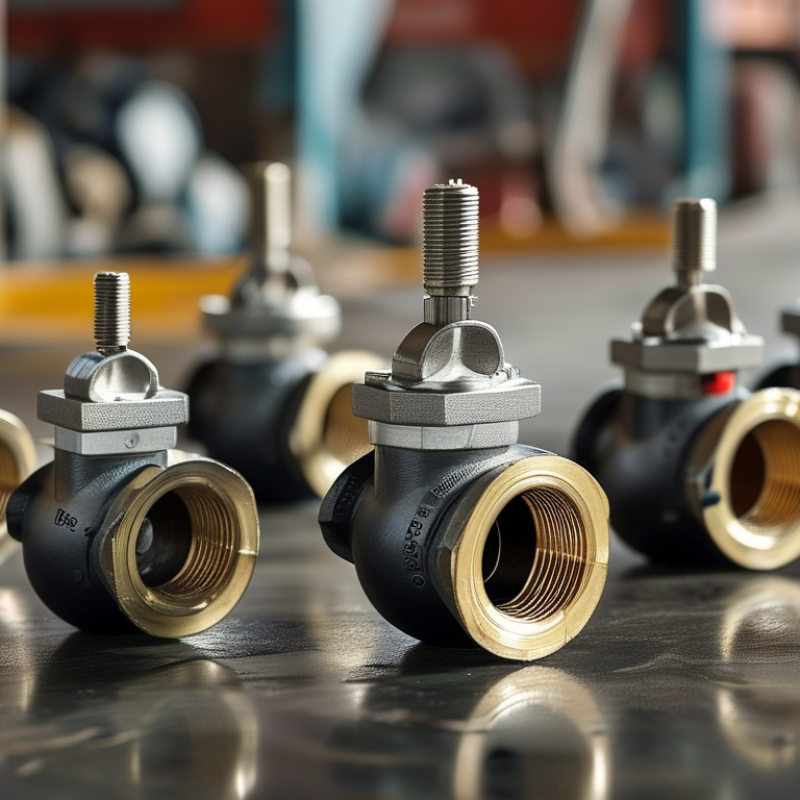
Factors Influencing Trunnion Ball Pricing in Global Markets
When it comes to trunnion ball pricing, several factors play crucial roles in the global market. Material costs and supply chain dynamics top the list. For instance, according to a market analysis report, the price of steel has fluctuated greatly, impacting the production costs of trunnion balls. Recent forecasts suggest that prices could rise by 5-10% due to ongoing supply chain disruptions. Additionally, currency exchange rates can significantly affect pricing, especially for international buyers.
Understanding regional demand is also essential. Markets with high industrial activities tend to have higher demand for trunnion balls, which can drive up prices in those areas. A report from a leading industry research firm indicated that Asia-Pacific regions are experiencing a surge in demand, leading to a price increase of over 15% in some sectors. Buyers should also consider the competitive landscape; lower competition may lead to higher pricing.
Tip: Regularly review supplier pricing strategies. This can help buyers identify best pricing options based on their needs.
Another vital factor is the type of trunnion ball valve required. Specific applications may necessitate specialized designs or materials, influencing costs. A recent survey showed that customized trunnion balls could be up to 30% more expensive than standard models.
Tip: Optimize your order quantities. Bulk purchasing can often lead to greater savings, despite the initial outlay.
Keeping an eye on these factors can help global buyers make informed purchasing decisions and maximize their savings.
Understanding Quality Standards for Trunnion Ball Purchases
When purchasing trunnion balls, understanding quality standards is crucial for effective savings. Quality directly impacts performance, lifespan, and safety. According to industry reports, nearly 40% of premature equipment failures are linked to inadequate quality assessment. This emphasizes the need for thorough vetting of suppliers and products.
International standards, such as ISO 9001, provide a framework for maintaining quality control. Buyers should ensure that suppliers comply with these standards. Additionally, examining materials used in trunnion ball manufacturing is essential. For instance, alloys like carbon steel and stainless steel are preferred for their durability and resistance to corrosion. Poor material choices can lead to significant long-term costs due to failures and replacements.
Buyers often overlook certifications. Certifications indicate adherence to safety and performance standards. However, not all certifications are created equal. Some may be outdated or irrelevant to specific applications. Conducting a technical audit can help assess the validity of these certifications.
Understanding these quality standards can lead to informed purchasing decisions. Doing so may require digging deeper than usual. It might seem tedious, yet the investment in research leads to enhanced performance and cost-efficiency.
Trunnion Ball Quality Standards Comparison
Comparative Analysis of Suppliers for Cost-Effective Solutions
When looking for suppliers of trunnion ball valves, a thorough comparative analysis is essential. Cost-effectiveness often hinges on understanding the nuances of each supplier’s offerings. Prices can vary significantly based on material quality, designs, and manufacturing processes. Buyers should evaluate factors like minimum order quantities and lead times to make informed decisions.
Engaging with multiple suppliers can uncover hidden savings. Some may offer discounts for bulk purchases or loyalty programs. Others may provide superior customer service that adds value beyond just the price. However, not all suppliers will meet your standards, and that can lead to regret later. Ask for samples to review the quality before committing.
Consider the implications of long-term partnerships too. Consistent suppliers can streamline operations but may limit future flexibility. Regularly reassessing supplier performance is critical. Weigh pricing against reliability and support. An effective supplier relationship can be the difference between smooth sailing and unforeseen headaches. Stay vigilant and explore all options thoroughly, as the best decision is often a moving target.
Negotiation Tactics to Secure Better Deals on Trunnion Balls
When negotiating for trunnion balls, understanding market dynamics is crucial. Reports indicate that the global market for trunnion-mounted ball valves reached approximately $2.5 billion in 2022 and is projected to grow steadily. This growth highlights the increasing demand, which can influence pricing strategies. Buyers can use this knowledge to their advantage during negotiations.
Effective negotiation tactics include thorough research on suppliers. Knowing industry trends can help determine fair pricing. For example, suppliers may have fluctuation thresholds. Often, prices are adjusted based on material costs, manufacturing capabilities, and shipping logistics. Failing to recognize these factors can lead to missed opportunities and higher costs.
Utilizing bulk purchasing can also yield savings. Some studies suggest purchasing in larger quantities can reduce per-unit costs by up to 20%. However, this strategy requires careful inventory management. Overcommitting can result in excess stock and tied-up capital, leading to potential financial strain. It’s essential to find a balance that allows for cost savings without compromising operational efficiency. Negotiating with clear insights and realistic expectations fosters better partnerships and supports long-term viability.
Long-Term Maintenance Considerations to Maximize Value and Savings
Long-term maintenance is pivotal for maximizing value in trunnion ball applications. Regular inspections are essential. They help identify wear and potential issues before they escalate. It's advisable to establish a routine check-up schedule. This proactive approach saves costs over time. Many buyers overlook the importance of maintenance. They may think initial costs are all that matter. However, ongoing upkeep often reveals unexpected savings.
Lubrication plays a critical role in extending the lifespan of trunnion balls. Using the right lubricant can significantly reduce friction. This leads to smoother operation and less wear. Many users may use generic products, thinking they are sufficient. However, specific lubricant needs can vary based on conditions and usage. Hence, investing in quality supplies is essential.
Training staff on maintenance procedures can also yield long-term benefits. Knowledgeable team members can quickly spot issues. They ensure that the equipment operates efficiently. Without proper training, even the best equipment can fail. Reflecting on these maintenance practices is crucial to avoid costly mistakes. Long-term savings often stem from simple, consistent actions.
| Feature |
Importance |
Estimated Cost Savings (%) |
Maintenance Frequency |
Expected Lifespan (Years) |
| Material Quality |
High |
15% |
Annual |
15 |
| Installation Process |
Medium |
10% |
Every 5 years |
20 |
| Regular Inspections |
High |
20% |
Quarterly |
10 |
| Lubrication |
Medium |
5% |
Monthly |
12 |
| Replacement Parts |
Medium |
8% |
As needed |
Variable |
Conclusion
The article "Trunnion Ball Tips for Global Buyers to Maximize Savings" provides essential insights for buyers looking to optimize their purchasing decisions in the global market. It explores various factors influencing trunnion ball pricing, emphasizing the importance of understanding quality standards to ensure value for money. A comparative analysis of suppliers offers guidance on finding cost-effective solutions, while effective negotiation tactics are discussed to help secure better deals. Additionally, the article highlights long-term maintenance considerations, underscoring the necessity of maximizing both value and savings over time when purchasing trunnion balls. By implementing these strategies, buyers can enhance their procurement processes and achieve significant financial benefits.

 Shoulong Valve