Welded ball valves are essential components in various industrial applications. Recent industry reports indicate a growing demand for these valves, driven by their reliability and efficiency. The welded ball valve offers robust construction, making it suitable for high-pressure and high-temperature environments.
According to a report from MarketsandMarkets, the global valve market is projected to reach $107.8 billion by 2025. Within this market, welded ball valves are increasingly preferred due to their lower leakage rates and enhanced safety. They provide a leak-tight seal, which is crucial in sectors such as oil and gas, chemicals, and wastewater treatment.
Despite their advantages, some users worry about installation complexity and maintenance challenges. Understanding the specific needs of each application is vital. Making an informed choice about welded ball valves can significantly impact performance and safety, reinforcing their importance in modern industrial systems.
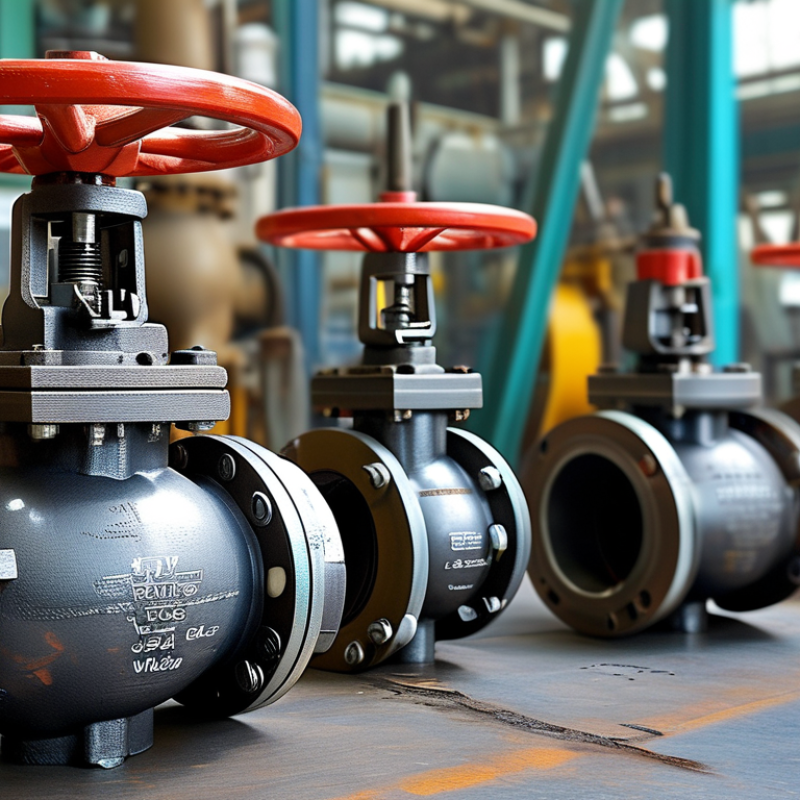
Welded ball valves are essential components in various industries, primarily for fluid control. These valves are made by welding the end connections to the valve body. This design reduces potential leaks and enhances durability. They are particularly useful in high-pressure applications, where failure can lead to significant safety risks. Their construction offers a tight seal, which is crucial for maintaining efficiency in systems.
The functionality of a welded ball valve lies in its simple yet effective mechanism. It comprises a spherical disc that rotates to open or close the flow of media. This mechanism allows for quick operation, often requiring just a quarter turn to fully open or close. When properly installed, these valves can provide excellent flow modulation. However, if the welding process is not done correctly, it can compromise the valve's integrity. Regular inspections are necessary to ensure functionality and safety.
Choosing a welded ball valve can be a wise decision, especially in tough environments. They are resistant to extreme temperatures and pressures. However, installation requires skilled labor to avoid faults. Misalignment during welding could lead to future problems. Understanding these nuances is crucial for engineers and maintenance teams to ensure reliability in their systems.
Welded ball valves are gaining popularity due to their robust design and performance. Unlike conventional valves, welded ball valves are constructed with a seamless body. This design offers enhanced strength and resistance to pressure, making them ideal for high-demand applications. According to industry reports, these valves can withstand up to 20% more pressure than threaded or flanged alternatives. This quality makes them a preferred choice in industries like oil and gas, water treatment, and chemical processing.
Key features include minimal leakage and superior durability. The absence of threaded connections means there are fewer places for leakage, a critical factor in many applications. Welded ball valves also benefit from a simple operation, which enhances overall system efficiency. Data shows that these valves can have a lifespan exceeding 25 years with proper maintenance, significantly reducing replacement costs. However, the initial installation process can be complex, requiring skilled labor and specialized tools. This could lead to higher upfront costs, raising questions about cost-effectiveness for smaller operations.
Another advantage is the ability to handle various materials and temperatures. Many welded ball valves are compatible with high-viscosity fluids and extreme thermal conditions. However, a disadvantage is that once installed, they are not easily removable. Maintenance can be challenging in tight spaces or when quick replacements are needed. Understanding these factors can aid businesses in making informed decisions when selecting valves for their operations.
Welded ball valves are increasingly popular in various industries due to their robustness and reliability. These valves are commonly used in the oil and gas sector, where high pressure and extreme conditions are prevalent. Their design allows for a tight seal, helping to prevent leaks. This aspect is critical in environments where safety is paramount.
In the water treatment industry, welded ball valves provide excellent control over water flow. They resist corrosion, making them ideal for handling chemicals. Additionally, these valves find applications in food processing. Here, hygiene is essential. Welded ball valves ensure minimal contamination risks, thus improving overall safety.
While welded ball valves offer many advantages, challenges exist. The initial installation can be complex. Proper training for personnel is necessary. Regular maintenance is crucial to ensure their long-term effectiveness. Investing time in understanding these aspects can enhance their utility across various applications.
This bar chart illustrates the distribution of applications for welded ball valves across various industries. The largest application is in the Oil & Gas industry, followed by Chemical Processing and Water Treatment. Each sector relies on the unique benefits that welded ball valves offer, such as improved durability and leak resistance.
Welded ball valves are an essential component in fluid control systems. Their design offers significant advantages, particularly in terms of safety and reliability. A study from the American Society of Mechanical Engineers (ASME) highlights that welded ball valves can reduce leak risks by up to 70% compared to flanged valves. The weld joints create a permanent bond, minimizing the chances of connection failure.
One of the critical benefits of welded ball valves is their ability to handle high-pressure environments. Industrial sectors often face extreme conditions. According to the Chemical Engineering magazine, these valves can withstand pressures up to 6000 psi. This durability makes them ideal for various applications, including chemical processing and oil and gas industries.
Tip: Always consider the material compatibility when selecting a welded ball valve. The wrong choice can lead to corrosion and reduced performance.
Installation is also simpler and often more efficient. The absence of gaskets or seals means less chance for leaks. However, improper welding techniques can jeopardize performance. A report from the Valve Manufacturers Association (VMA) states that almost 15% of welded valves fail during installation. This emphasizes the need for trained professionals to ensure proper installation practices.
Tip: Regular maintenance checks are crucial for welded ball valves, especially in critical applications. Monitoring performance prevents unexpected failures.
Welded ball valves are essential components in various industrial applications. Proper installation is crucial for their effectiveness. It's vital to ensure that the valve is aligned correctly before welding. Misalignment can lead to leaks and failures. Use skilled professionals for installation. They understand the nuances involved in this process.
Maintenance is equally important. Regular inspections can help identify potential issues. Check for signs of corrosion or wear. Although welded ball valves are durable, they are not immune to damage. Crevice corrosion may occur in harsh environments. Keep an eye on operating conditions too. Temperature and pressure variations can affect valve performance.
Thinking about repairs? It might be difficult since these valves are not designed for disassembly. Therefore, choosing the right welding technique is paramount. Improper welding can compromise the valve's integrity. Every application is unique, and so are its needs. This requires continuous learning and adaptation. Make sure to stay updated with best practices in valve maintenance.
| Feature | Description | Advantages | Maintenance Considerations |
|---|---|---|---|
| Construction | Made from a single piece of metal with welded joints | Enhanced strength and durability | Regular inspections for weld integrity |
| Sealing Mechanism | Ball with a soft seat or hard seat option | Reliable leak-proof sealing | Check for wear on seats during maintenance |
| Pressure Rating | Available in high-pressure ratings | Suitable for demanding industrial applications | Ensure proper installation in high-pressure systems |
| Applications | Used in gas, oil, and water transmission | Versatile for various industries | Regular operational testing |
| Installation Technique | Welded directly to pipes | Prevents leaks and increases reliability | Proper alignment to avoid stress on the welds |
: Welded ball valves are valves constructed with a seamless body for improved strength and pressure resistance.
Common industries include oil and gas, water treatment, and chemical processing due to their robust design.
They offer minimal leakage, durability, and the ability to handle high-pressure environments effectively.
With proper maintenance, their lifespan can exceed 25 years, significantly reducing replacement costs.
The installation process can be complex, requiring skilled labor and specialized tools, which might raise upfront costs.
Once installed, they are not easily removable, making maintenance challenging, especially in tight spaces.
Material compatibility is essential; choosing the wrong material can lead to corrosion and reduced performance.
They can reduce leak risks by up to 70% compared to flanged valves due to permanent weld joints.
Improper welding techniques can lead to performance issues; about 15% of welded valves fail during installation.
Regular maintenance checks are crucial to prevent unexpected failures, especially in critical applications.
A Welded Ball Valve is a crucial component in fluid control systems, offering a reliable and efficient means of regulating flow. These valves are characterized by their solid construction where the ball is welded to the body, enhancing durability and preventing leakage. Compared to other valve types, welded ball valves provide superior strength and resistance to corrosion, making them ideal for various industrial applications, such as oil and gas, chemical processing, and water treatment.
Choosing a welded ball valve comes with several advantages, including improved sealing performance, reduced maintenance requirements, and increased longevity. Installation and maintenance considerations are also critical, as proper handling ensures optimal performance over time. Overall, a welded ball valve is an excellent choice for systems requiring robust and dependable flow control solutions.

Shoulong Valve