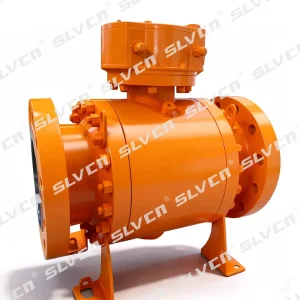
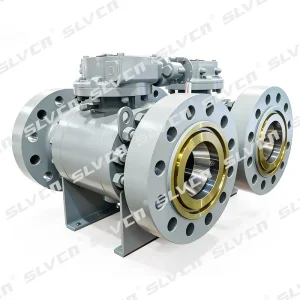
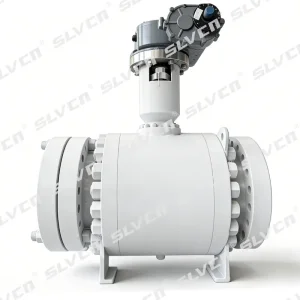
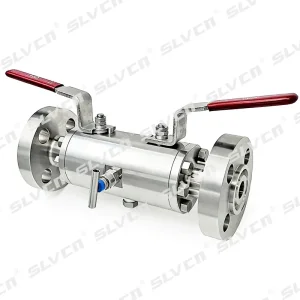
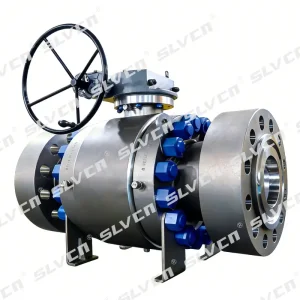
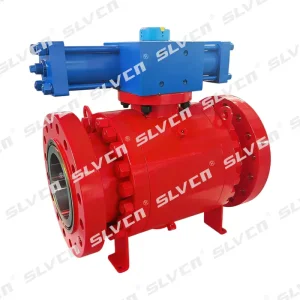
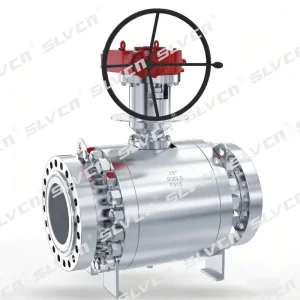
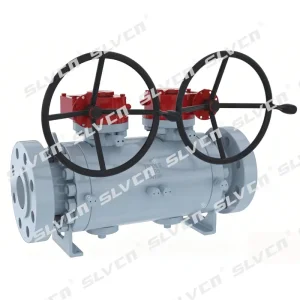
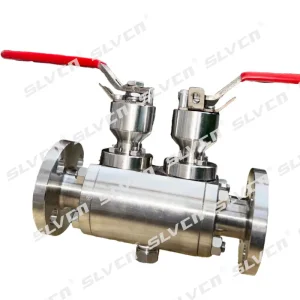
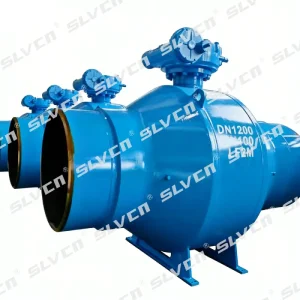
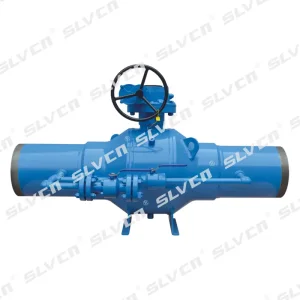
Engineered for excellence, our flagship DN20 (3/4 inch) configurations represent the pinnacle of trunnion and floating ball valve technology for high-pressure service.
As the global energy landscape shifts toward Decarbonization, the role of DN20 (3/4") ball valves has evolved from simple isolation to critical safety barriers in Hydrogen refueling stations and fuel cell systems. Our DN20 valves are engineered to handle the high-permeability nature of Hydrogen, utilizing specialized elastomeric seals or high-precision metal-to-metal seating to prevent fugitive emissions.
Modern industrial plants require more than manual control. The integration of IoT-enabled actuators on DN20 platforms allows for real-time monitoring of valve torque, seat leakage, and cycle counts. This transition to predictive maintenance reduces downtime in large-scale petrochemical refineries and pharmaceutical cleanrooms where DN20 lines are ubiquitous for sampling and bypass.
The global trend toward pre-fabricated modular skids in Oil & Gas requires compact, high-reliability components. The DN20 trunnion-mounted design offers a space-saving footprint without compromising the Double Block and Bleed (DBB) functionality, essential for instrument isolation in confined spaces.

At SLVCN, we don't just manufacture valves; we engineer confidence. With over three decades of mastery in forged steel technology, we serve the most demanding sectors including LNG, Aerospace, and Deep-sea exploration. Our DN20 ball valve production line is governed by a strict zero-defect policy, ensuring every component meets SIL 3 safety integrity levels.
The DN20 size (20mm nominal diameter) is often considered the "universal instrument interface" in industrial fluid dynamics. While many suppliers treat DN20 as a commodity, our engineering team views it as a precision instrument. A major Information Gain factor in our manufacturing process is the use of Forged Body Construction rather than casting for all high-pressure DN20 valves. Forging eliminates internal porosity and provides a superior grain structure, crucial for resisting stress corrosion cracking in sour gas (H2S) environments.
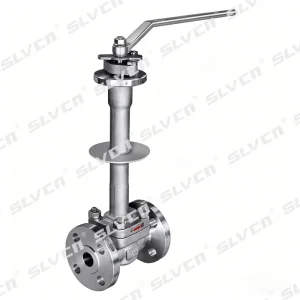
Furthermore, our Technical Roadmap for 2025 and beyond includes the standardization of "Smart-Sealing" technology. This involves a hybrid seat design that combines the tight shut-off of soft seals (PTFE/Devlon) with the fire-safe backup of stainless steel or Stellite-6 metal seats. For cryogenic service at -196°C, our DN20 valves feature extended bonnets and drip trays to protect the stem packing from freezing, a design optimized through extensive Finite Element Analysis (FEA).
We are also pioneering the use of Nano-Ceramic Coatings for severe service DN20 ball valves. These coatings provide a surface hardness exceeding 70 HRC, allowing our valves to handle abrasive slurries and high-velocity steam without the erosive wear seen in standard stainless steel valves. This technical edge translates to a 40% increase in service life for our end-users in the mining and power generation sectors.
We understand that a DN20 ball valve in a Norwegian offshore rig faces different challenges than one in a Saudi Arabian desert pipeline.
Our DN20 valves meet the stringent TA-Luft and ISO 15848-1 fugitive emission standards, making them the preferred choice for European chemical plants focusing on ESG (Environmental, Social, and Governance) goals.
Specifically designed with protected stem designs and sand-proof actuators, our valves thrive in the harsh ambient conditions of the GCC region, ensuring uninterrupted flow for upstream oil gathering centers.
Fully compliant with ASME B16.34 and API 608, our DN20 stock is strategically located in regional hubs to support the shale gas and LNG export terminal expansion projects.
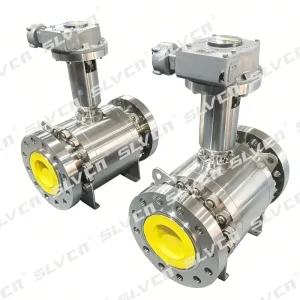
For DN20 sizes, floating designs are standard for low pressure. However, for Class 900 and above, a trunnion-mounted design is superior as it fixes the ball in place, reducing operating torque and preventing seat deformation under extreme pressure loads.
We utilize PCTFE or metal seats with a proprietary lapping process. Each cryogenic valve undergoes a liquid nitrogen dunk test and helium leak detection at -196°C before shipment to ensure "Bubble Tight" shutoff.
Yes. We offer high-cycle stem packing and reinforced internal components for applications like molecular sieve switching or frequent bypass operations where the valve may cycle thousands of times per month.
Beyond 316SS and A105, we provide DN20 valves in Duplex, Super Duplex, Monel, Hastelloy, and Inconel 625 for aggressive acidic or high-chloride environments.
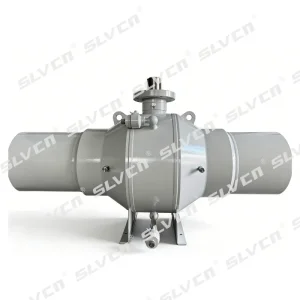
Explore our high-capacity and specialized valve configurations designed for large-diameter transmission and critical safety isolation.
 Shoulong Valve