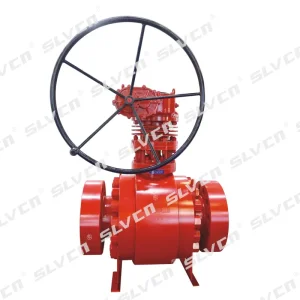
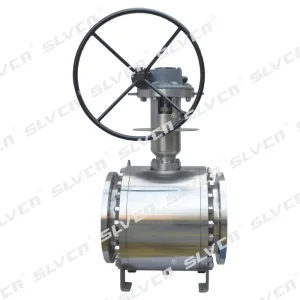
Engineered for high-pressure pipelines, critical natural gas distribution networks, and industrial severe services. Standardized to API 6D, API 607, and ASME B16.34 specifications.
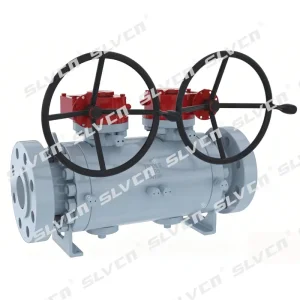
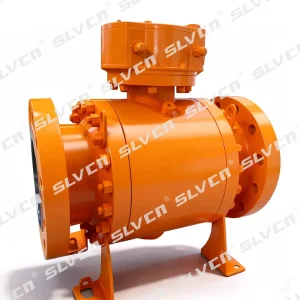
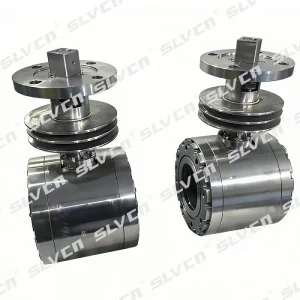
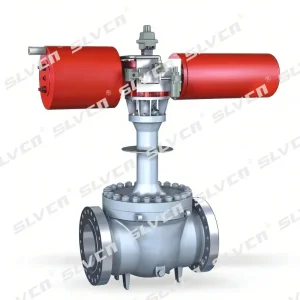
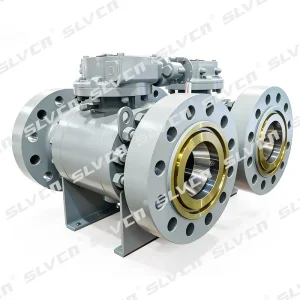
The global natural gas and energy infrastructure landscape is undergoing a massive transformation. Rapid urbanization, the acceleration of hydrogen blending technologies, and the expansion of liquefied natural gas (LNG) terminals have pushed the demand for robust, zero-leakage isolation mechanisms to historical highs. Gas ball valves are the critical line of defense in high-pressure transport pipelines, distribution centers, and processing plants.
Today's industrial systems run at higher pressures and extreme temperatures. Consequently, the reliance on standard soft-seated valves has shifted toward metal-seated Double Block & Bleed (DBB) systems. In the pipeline domain, fugitive emission control (specifically adhering to standard ISO 15848-1 Class A/B) has become a primary compliance factor. Operating companies demand long-lasting valve integrity to minimize maintenance downtime and avoid highly volatile gas leak accidents that pose serious environmental risks.
As an expert OEM manufacturer, our production pipeline integrates advanced CNC machining, precision grinding, and robotic hard-coating. This enables us to configure bespoke solutions matching dynamic project metrics across high-stress environments.
Our valves are specified using materials certified to EN 10204 3.1 and 3.2. Typical configurations include low-temperature carbon steels (A350 LF2), duplex steels (F51, F53), and exotic alloys (Hastelloy, Inconel 625 cladding) optimized for severe sour-gas applications complying with NACE MR0175/ISO 15156.
| Valve Classification | Standard Materials | Temperature Range | Compliance standards |
|---|---|---|---|
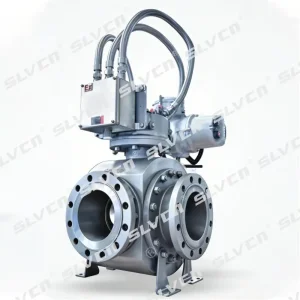
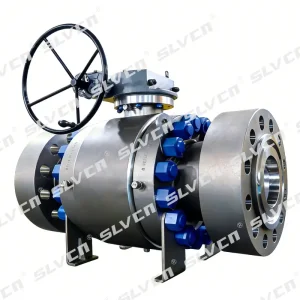
| DBB Trunnion Mounted | ASTM A105N, A350 LF2, F316 | -46°C to 200°C | API 6D, ASME B16.34, API 607 |
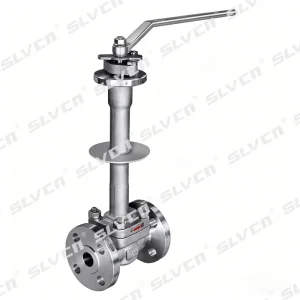
| Cryogenic Top Entry | ASTM A182 F316, F316L | Down to -196°C | BS 6364, ISO 28921-1 |
| High Temperature Floating | A182 F11, F22, F310 | Up to 550°C | ANSI/FCI 70-2 Class V/VI |
| Fully Welded Body | ASTM A516 Gr.70, A350 LF2 | -46°C to 150°C | API 6D, ASME B31.8 |
Understanding the engineering nuances of gas ball valve fabrication that distinguish top-tier manufacturing processes.
We apply Supersonic Flame Spraying (HVOF) techniques using Chrome Carbide or Tungsten Carbide to provide surface hardness exceeding 60 HRC, offering high-temperature resistance and zero particulate erosion.
Both upstream and downstream pressure seal the valve seats independently. When the body cavity is drained through the bleed port, isolated flow lines remain completely secure, allowing upstream maintenance without shutdown.
Engineered with multi-layer graphite packing rings and secondary metal-to-metal contact lines. Tested under extreme heat cycles according to API 607 and API 6FA protocols to ensure safety during fire incidents.
Emerging requirements in green hydrogen transport and global carbon reduction mandates demand next-generation valve manufacturing standards.
Integrating green hydrogen into existing natural gas grids requires highly specific metallurgy. Hydrogen atoms are tiny and cause hydrogen embrittlement in standard carbon steels under high pressure. Our engineering roadmap includes utilizing austenitic stainless steels with high Nickel and Manganese content, coupled with specialized elastomer seals that resist explosive decompression (AED).
The integration of IoT diagnostics and smart positioners allows gas transport corporations to predict valve seal wear and torque deviations remotely. Future gas valves will function as smart edge nodes, reporting dynamic changes in pressure difference, alignment, and seal wear to the control hub, preventing sudden failures in remote subsea or desert transmission lines.
LNG operations run at temperatures near -162°C. Maintaining elastic seal compression at these margins is exceptionally difficult. By employing extended bonnet structures to isolate the stem packing from cryogenic fluid contact and using PCTFE (Kel-F) or customized lip-seals, our cryo-valves remain functional down to -196°C.
Deploying specialized gas valve designs customized for different operating sectors.
Valves ensure clean pipeline isolation across hundreds of miles of natural gas pipelines, managing fluctuating pressure and temperature shocks.
Top-entry designs allow in-line maintenance under critical temperatures, limiting thermal stress leakage and ensuring stable vaporization paths.
Integrating bubble-tight isolation and specialized materials to prevent hydrogen micro-leakage and chemical corrosion.
Providing high-pressure isolation valves capable of handling high steam temperatures and cycling operations without seat degradation.
Utilizing high-alloy and corrosion-resistant coatings to survive sour media (H2S), toxic chemicals, and caustic processing environments.
Robust construction with duplex and super-duplex stainless steel components to prevent crevice and pitting corrosion in high-salinity water.
Detailed technical answers addressing custom specifications, compliance, material limits, and design considerations.
Custom OEM configurations for high-temperature operations, cryo gas processing, and automated smart-grid actuation.
 Shoulong Valve