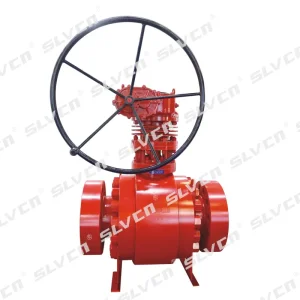
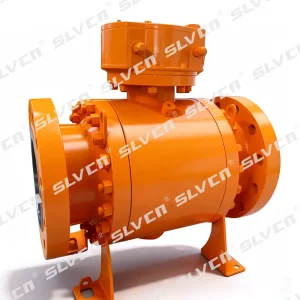
Engineered for extreme service conditions with rigorous international compliance.
As international supply chains undergo structural transformations, global tier-1 EPC contractors, fluid control system integrators, and heavy industrial equipment builders increasingly demand specialized OEM Hydraulic Valve Manufacturers & Suppliers who can guarantee absolute structural integrity, precise flow regulation, and seamless compliance with international quality frameworks like API 6D, ISO 9001, and CE/PED directives.
China's industrial manufacturing hubs have evolved far beyond basic low-cost production. Today, elite valve suppliers integrate advanced computer numerical control (CNC) machining centers, automated robotic welding systems, and cryogenic pressure testing laboratories. By leveraging integrated material supply chains for forged alloy steels (such as A105, F11, F22, and F316), top-tier Chinese manufacturers offer exceptional cost-efficiency without compromising the metallurgical composition or mechanical tolerances required for extreme high-pressure and high-temperature environments.
Deploying hydraulic and heavy-duty industrial valves across diverse geographical regions requires stringent adherence to localized regulatory frameworks. Whether complying with ASME Boiler and Pressure Vessel Codes in North America, ATEX directives for explosive atmospheres in Europe, or fugitive emission standards (ISO 15848), professional OEM manufacturers provide comprehensive documentation packages, material test reports (MTRs per EN 10204 3.1/3.2), and customized actuator mounting platforms (ISO 5211) tailored to regional specifications.
Engineered for Reliability Across Critical Applications.
Valves ensure pipeline isolation and safe operation across upstream, midstream, and downstream systems, even under high-pressure conditions.
Valves maintain reliable sealing and stable operation in corrosive media and fluctuating temperatures.
Valves deliver proven low-temperature performance, tight sealing, and safe pressure management for cryogenic systems down to -196℃.
Valves control steam and process flows in high-pressure, high-temperature environments for critical units.
Valves provide reliable isolation and flow control in continuous, high-pressure industrial operations.
Valves offer excellent sealing integrity and safety design to prevent leakage under high-pressure conditions.
With over 30 years of expertise in forging high-performance ball and hydraulic valves, our manufacturing entities provide reliable, project-ready solutions for critical industrial applications. Our valves are rigorously engineered, tested, and certified to meet the strictest international standards, ensuring zero-leakage and dependable performance in harsh operating environments.
Years of Experience
Countries Exported
Clients Served
Factory Area
Quality and testing procedures applied in accordance with international standards.
Our valves are engineered specifically for high-risk, high-pressure, high-temperature, and cryogenic applications where structural failure is never an option.
Over 30 years supporting global industrial projects means we deeply understand real operating conditions, international approvals, and on-site engineering challenges.
Every valve is built under strict procedures aligned with global standards, guaranteeing minimal leakage, reduced downtime, and mitigated operational risk.
Supplying demanding sectors across Europe, the Middle East, and worldwide industrial markets where quality, safety, and full compliance are absolute prerequisites.
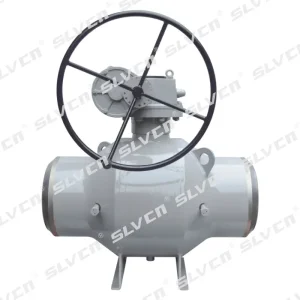
Explore our extended series designed for specialized isolation and control.
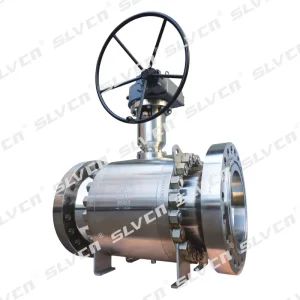
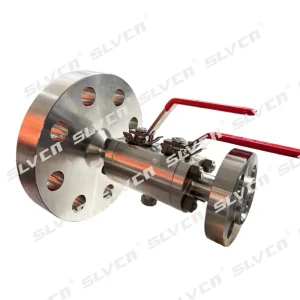
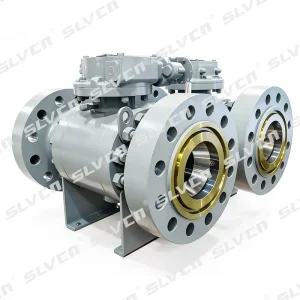
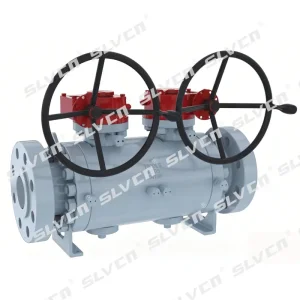
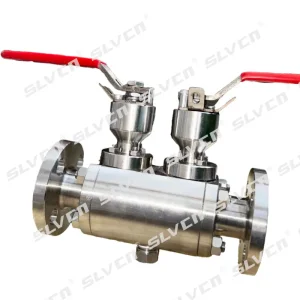
China Class 900 Reduced Port Forged DBB Trunnion-Mounted Cryogenic Ball Valve Manufacturers
View Details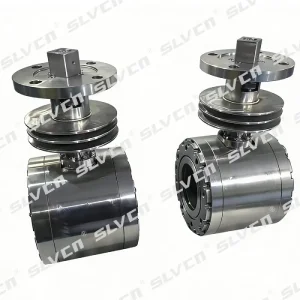
China High-Temperature Floating Ball Valve up to 500°C - Durable China Suppliers & Factory Solutions
View Details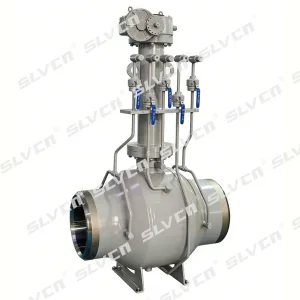
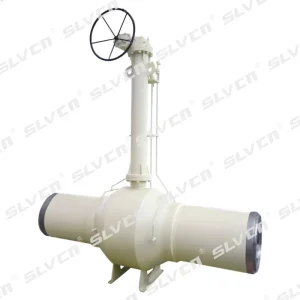
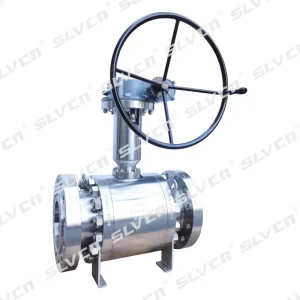
China Suppliers Factory Direct Fully Welded Trunnion-Mounted Ball Valve with Extended Stem
View DetailsExpert answers regarding OEM hydraulic and industrial valve procurement.
A dependable manufacturer combines decades of forging and machining expertise with strict material traceability (such as PMI testing on all pressure-retaining components), in-house hydrostatic and pneumatic testing facilities, and recognized international certifications like API 6D, ISO 9001, and CE/PED.
DBB valves provide two distinct seating surfaces that isolate the fluid source in both directions when in the closed position, with an integrated bleed valve cavity between them. This design enables operators to verify seal integrity and drain trapped fluids, preventing contamination and catastrophic leaks in high-pressure oil, gas, and chemical systems.
Yes. Specialized OEM manufacturers engineer valves with extended bonnets to protect stem seals during cryogenic service down to -196℃ (LNG applications) or incorporate specialized hard-facing alloys (like Stellite or Tungsten Carbide) and metal-to-metal seating for high-temperature operations up to 550℃.
Depending on material grade, size, pressure class (ranging from Class 150 to Class 2500), and actuation requirements, standard production and testing cycles typically range from 30 to 60 days, backed by robust logistics support for global ocean and air freight distribution.
 Shoulong Valve