Engineered for extreme operating environments requiring zero-leakage performance under Class 150 to Class 2500 pressure parameters.
Customizable High-Performance Valves, Trusted by Key Projects Around the Globe.
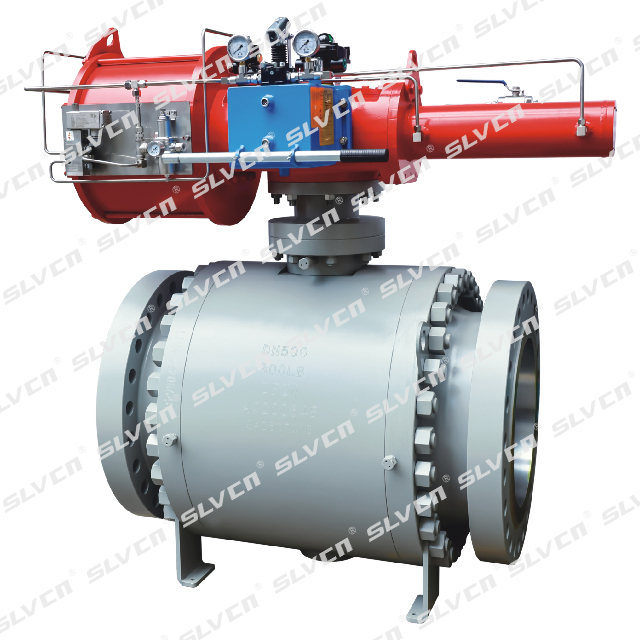
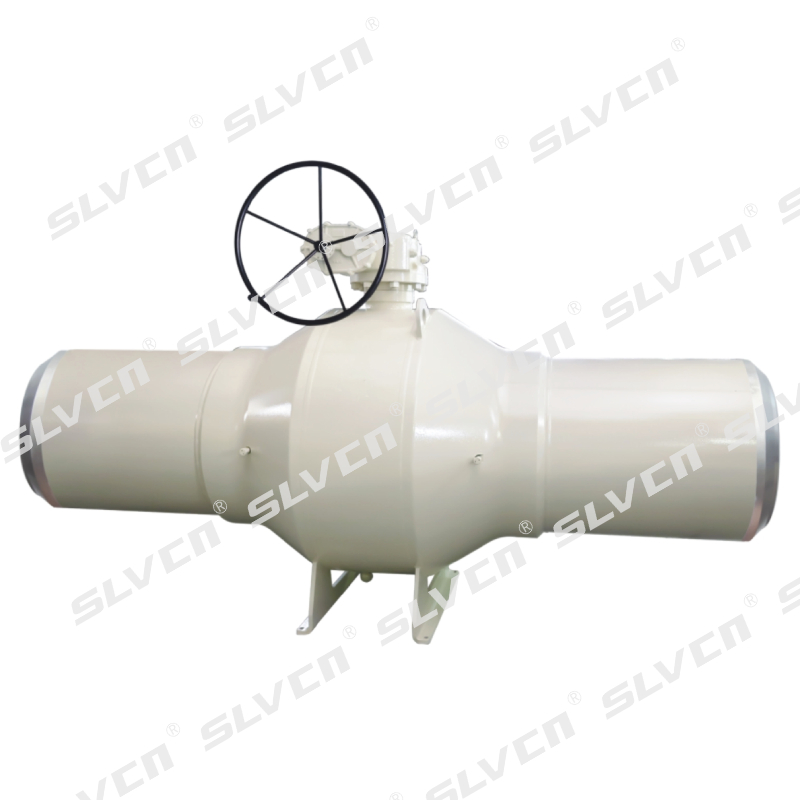
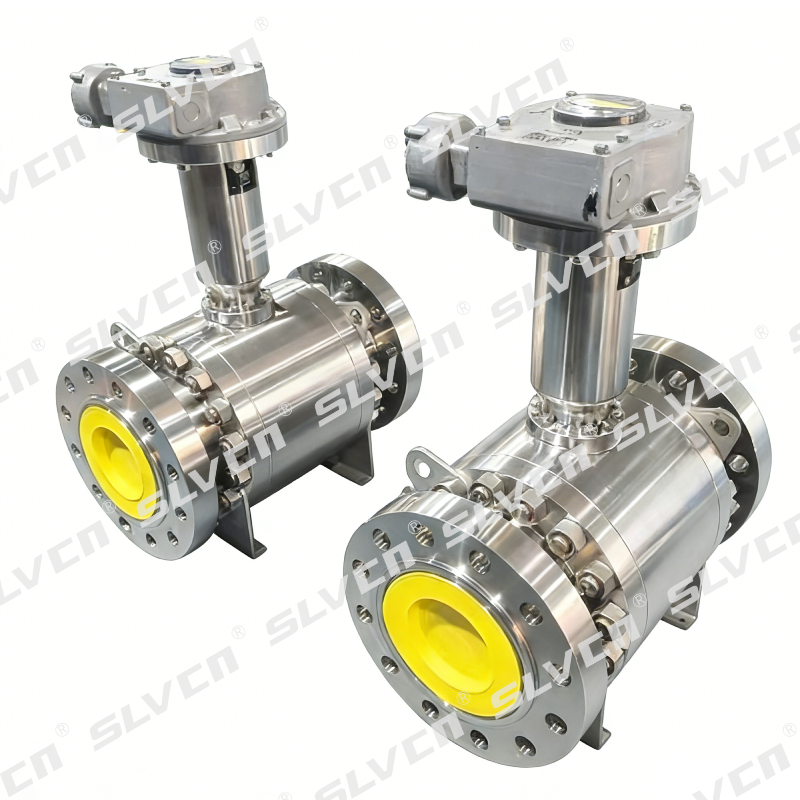
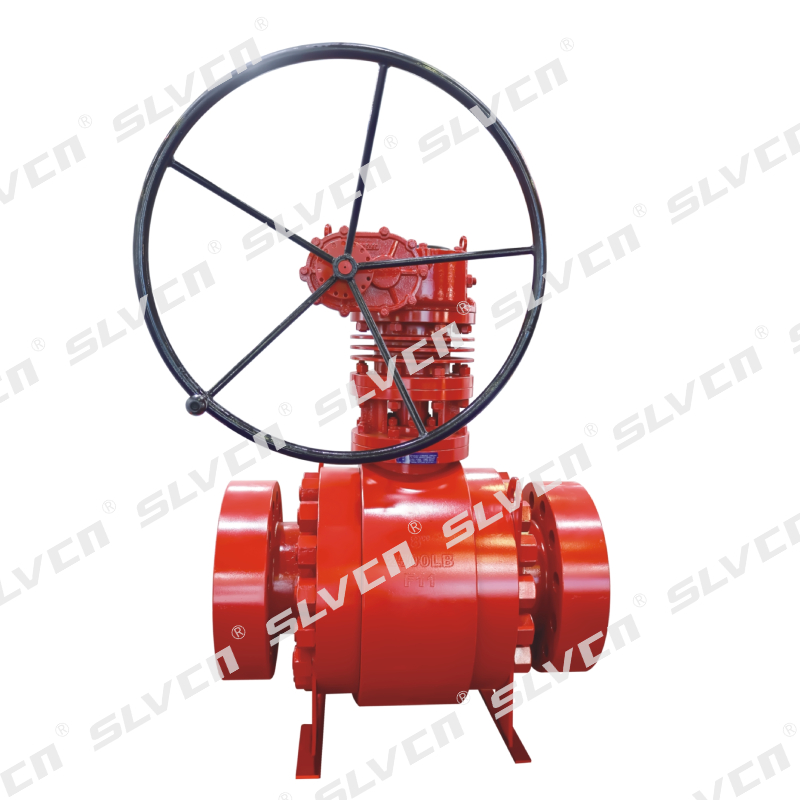
Overcoming operational limits across Upstream, Midstream, Downstream and Decarbonized Infrastructure applications.
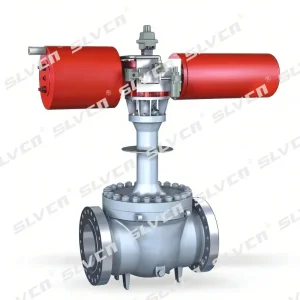
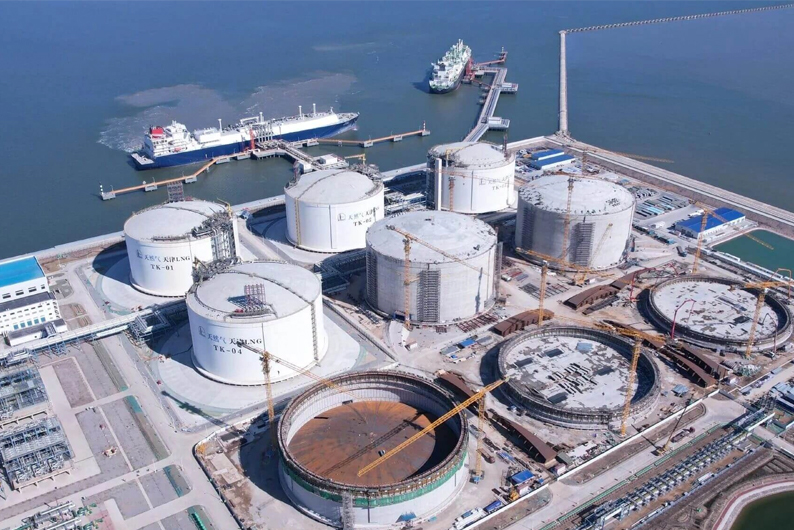
LNG logistics demand sealing materials that survive down to -196°C. We design customized extended-bonnet valves with Kel-F or lip seals that accommodate thermal shrinkage while ensuring structural integrity and preventing volatile boil-off gas emissions.
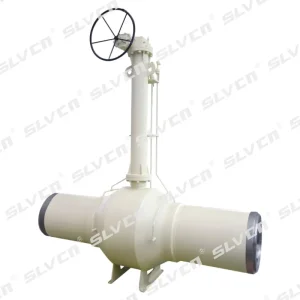
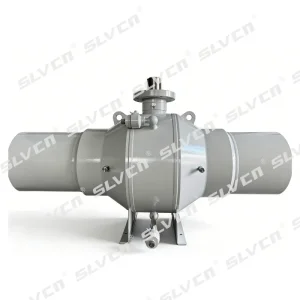
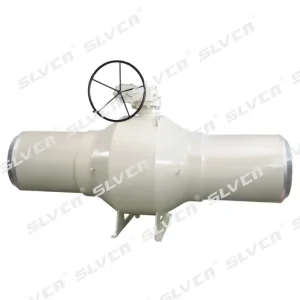
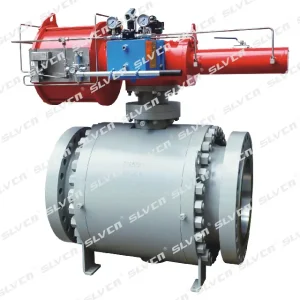
Midstream pipelines cross remote environments. Our fully welded trunnion ball valves feature heavy-duty corrosion protection coatings and stem extensions. This ensures direct operation of underground pipelines without human-accessible vault leakage hazards.
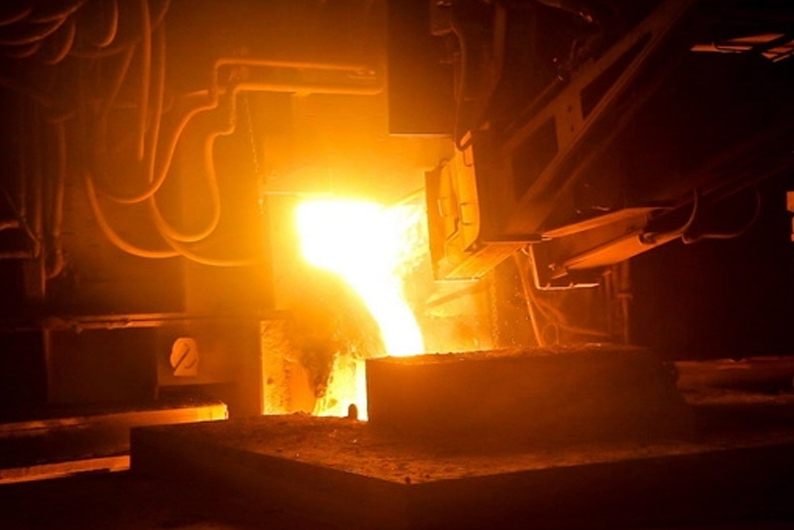
In refinery processes carrying high sand, catalyst fines, or sour crude, soft seats fail quickly. We design hard-faced Metal-to-Metal seated configurations with tungsten carbide or chromium carbide coatings, maintaining tight Class VI shutoff.
Flow control technology is experiencing structural transformation. Global energy infrastructure demands extreme safety, zero fugitive emissions, and high durability. Modern gas transmission pipelines and chemical processing plants cannot afford downtime. As a trusted OEM Valve Manufacturer, SLVCN addresses these challenges by merging advanced mechanical simulation, metallurgy, and certified assembly workflows. Our factory implements digital tracking systems that capture raw forging chemistry, heat-treat schedules, and final API 598 hydrostatic performance metrics for every unit.
Whether delivering fully welded valves for subsea networks, cryogenic trunnion units for LNG terminals, or Double Block and Bleed (DBB) systems for refinery isolation, we optimize our design parameters using Finite Element Analysis (FEA) and Computational Fluid Dynamics (CFD). This level of manufacturing integrity ensures that every valve withstands pressure surges, physical stresses, and severe thermal cycles without seat degradation.
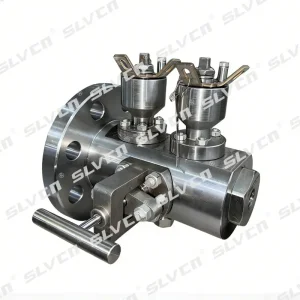
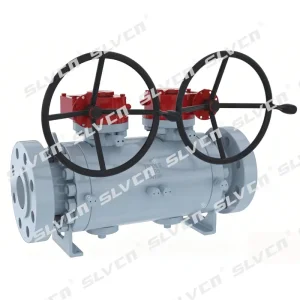
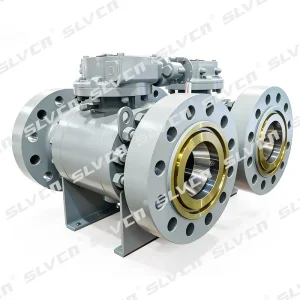
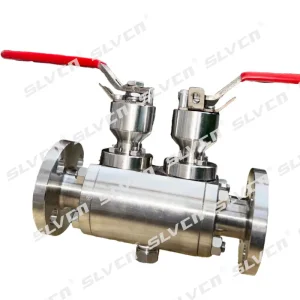
A conventional double-isolation arrangement requires two individual block valves and a separate spool with a bleed valve. Our integrated DBB design puts two independent balls and a bleed needle valve within a single forged body. This reduces installation weight by up to 60%, minimizes potential structural leak paths, and facilitates safe maintenance downstream of isolated pressurized lines.
| Valve Type | Standard Sizes | Pressure Ratings | Body Materials | Seat Design / Temperature |
|---|---|---|---|---|
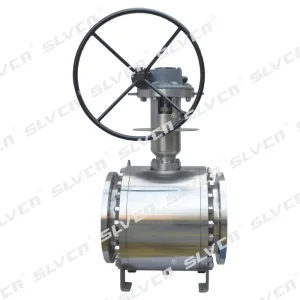
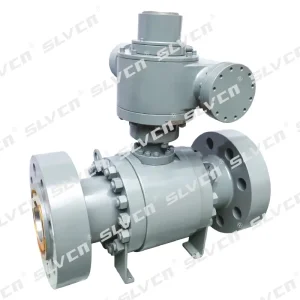
| Trunnion Ball Valve | 2" to 48" (DN50 - DN1200) | ASME Class 150 - 2500 | ASTM A105, F316, F51, LF2 | Soft Seat / Metal-to-Metal (-46°C to 200°C) |
| Cryogenic Ball Valve | 1/2" to 24" (DN15 - DN600) | ASME Class 150 - 900 | ASTM A351 CF8M, CF3M | PCTFE, Devlon, Metal Seated (-196°C to 120°C) |
| Fully Welded Pipeline Valve | 2" to 56" (DN50 - DN1400) | ASME Class 150 - 1500 | ASTM A105N, LF2, WCB | Nylon, PEEK, Metal-Seated (-29°C to 200°C) |
| High Temperature Floating | 1/2" to 8" (DN15 - DN200) | ASME Class 150 - 600 | ASTM A105, A182 F22, F316 | Hardfaced Stellite Metal (-29°C to 550°C) |
Proven Flow Control Solutions Across Global Applications.
Valves ensure pipeline isolation and safe operation across upstream, midstream, and downstream networks, including high-pressure gas gatherers and transmission trunklines.
Valves maintain reliable sealing and stable operation in corrosive media and under highly volatile temperature profiles typical of refining processes.
Valves deliver proven low-temperature performance, tight sealing, and safe thermal expansion pressure relief for liquefied gas plants.
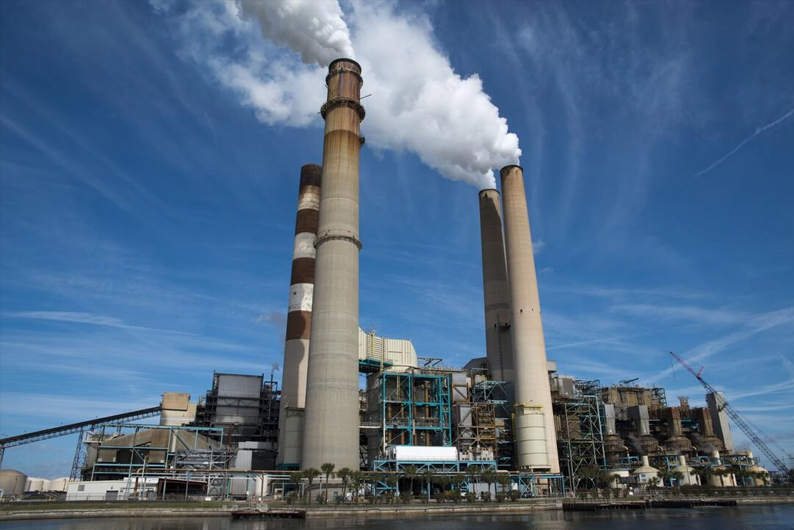
Valves control steam and process cooling waters in high-pressure, high-temperature thermal cycle power generation systems.
Valves provide corrosion-resistant, reliable isolation and flow control under continuous high-pressure seawater reverse osmosis filtration.
Valves offer fugitive emission seal designs and material compatibility to prevent hydrogen embrittlement under high pressure.

With over 30 years of expertise in forging high-performance ball valves, SLVCN provides project-ready solutions for critical industrial applications. Our valves are rigorously engineered, tested, and certified to meet the strictest international standards, ensuring zero leakage and dependable performance in demanding operating environments. Trusted by operators across Europe, the Middle East, and worldwide, we deliver the precision and quality that heavy industry demands.
Quality and testing procedures are applied in accordance with international standards, based on valve type and application conditions.
Our valves are engineered specifically for high-risk, high-pressure, high-temperature, and cryogenic installations where process failure is not an option.
Over 30 years supporting international engineers, we understand site-specific requirements, material certificates, and on-site alignment challenges.
Every component undergoes verification aligned with international standards, minimizing startup friction and ensuring operational uptime.
SLVCN valves comply with global industry certifications including API 6D, API 607, CE/PED, and SIL 3 safety standards.
Every valve is manufactured and tested to meet international standards for long-term operational integrity.
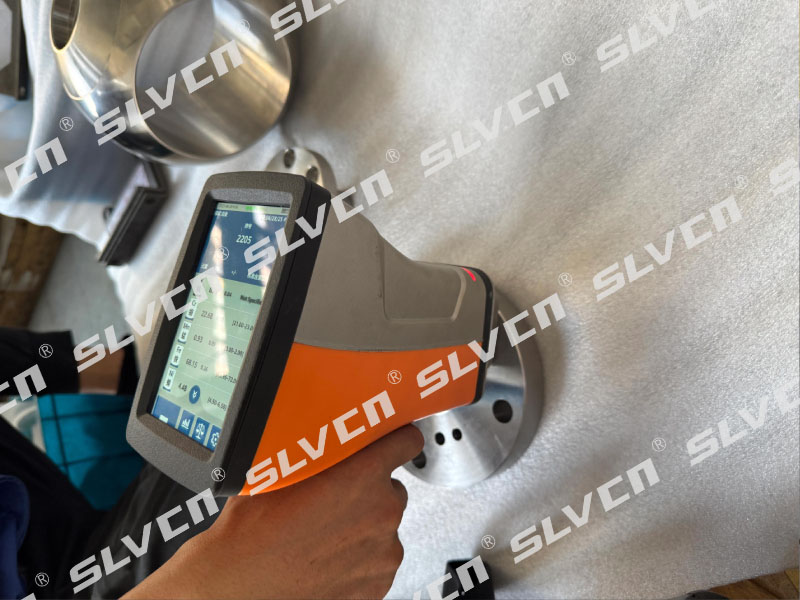
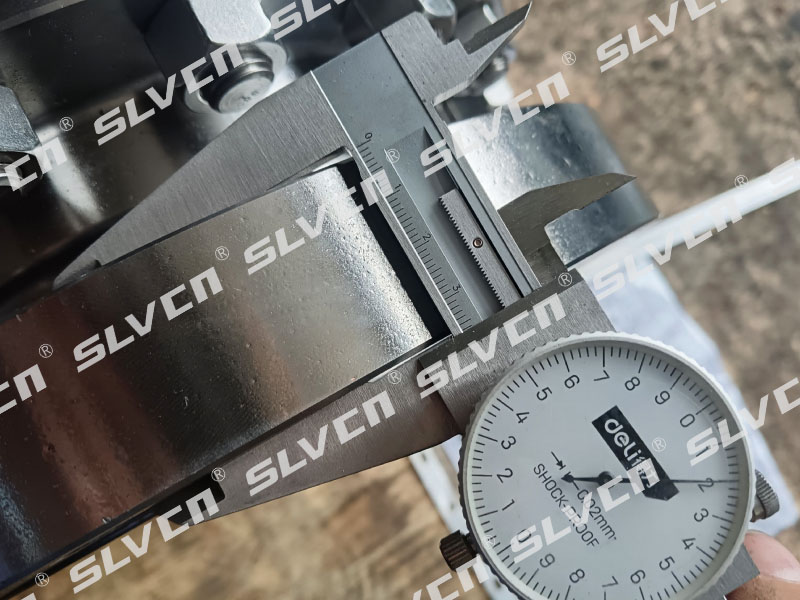
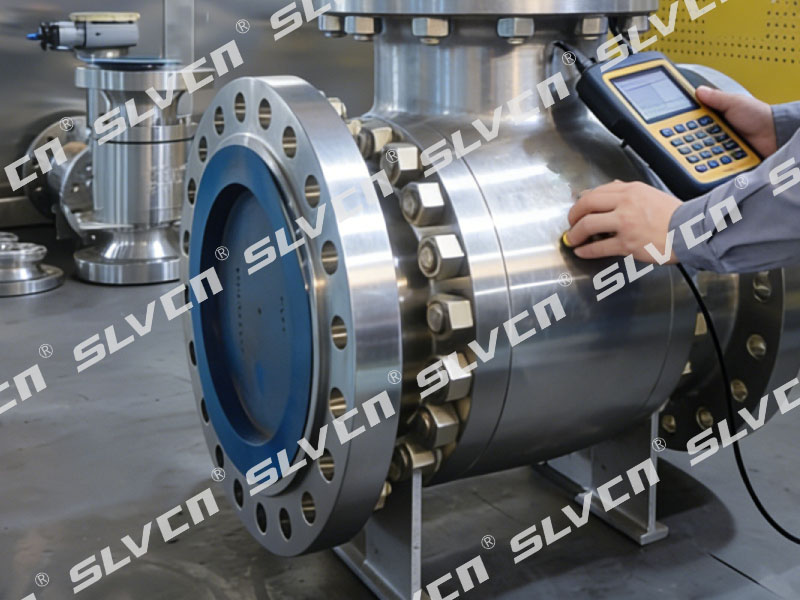
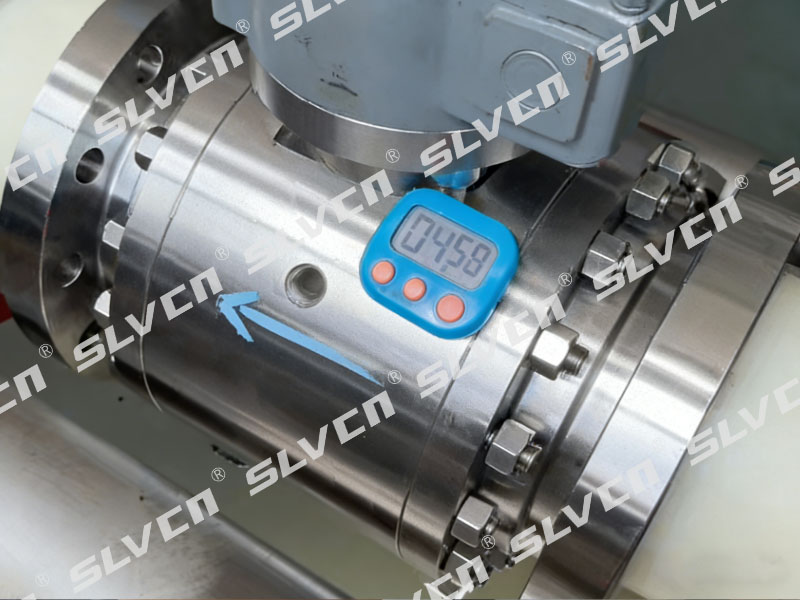
As chemical plants and gas operators optimize for energy transition targets, flow control design must evolve. The primary design driver now centers on mitigating fugitive emissions—spontaneous gas leaks from valve stems and body joints that contribute to greenhouse gas concentrations. Our technical roadmap focuses on the refinement of bellows seals and multi-layered, low-emission graphite stem packing systems certified to ISO 15848-1 Class AH standards.
In parallel, the rise of hydrogen transport blending requires advanced metallurgical testing. Hydrogen molecules are small enough to permeate the grain boundaries of standard carbon steels, leading to hydrogen embrittlement and catastrophic valve body cracking. SLVCN is investing in high-grade Austenitic Stainless Steels, Super Duplex Alloys, and specialized coating solutions to verify that our valves remain structurally sound for future hydrogen networks.
Field-proven reliability across critical projects globally.
Stay updated with our latest industrial developments and technology releases.
SLVCN is proud to announce the successful shipment of multiple 6" Class 300 RF forged trunnion-mounted ball valves to Southeast Asia for deepwater gas projects.
In high-stakes industries where safety is paramount, such as chemical processing and power plants, the DBB valve ensures double isolation and clean blowdown.
With over 30 years of engineering, SLVCN continues to design and manufacture heavy duty industrial valves for demanding international environments.
In-depth answers to common questions about materials, safety certifications, and design modifications.
DBB valves provide two independent pressure barriers in a single physical valve body. This ensures bubble-tight shutoff on both sides while permitting operators to bleed pressure from the internal cavity. Using a single DBB valve reduces weight, minimizes layout footprints, and reduces potential leak paths compared to using two gate valves separated by a bleed spool.
For cryogenic LNG applications operating down to -196°C, we specify ASTM A351 CF8M or CF3 stainless steel bodies. Seats are typically fabricated from PCTFE or Devlon, or feature a hard-faced metal-to-metal configuration. Valves include an extended bonnet (stem extension) to distance the packing box from the cold gas layer, preventing freeze damage and preserving packing integrity.
Our valves are designed and qualified under API 607 and API 6FA fire test standards. During testing, the valve is engulfed in flames at temperatures up to 1000°C for 30 minutes. If the soft seating inserts melt, the valve features a secondary metal-to-metal seat backup that makes contact with the ball, preventing significant fluid loss during fire emergencies.
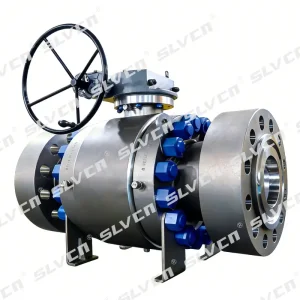
Floating ball valves rely on line pressure to push the ball against the downstream seat, making them ideal for smaller diameters and lower pressures. Trunnion-mounted ball valves support the ball with upper and lower stems (trunnions), ensuring the ball stays aligned under high-pressure applications (Class 900 and up). The seats are spring-loaded to seal against the ball, reducing operational torque and wear.
Fully welded ball valves eliminate body flange joints, removing potential external leak paths. For buried pipeline service, they are coated with heavy-duty epoxy or polyurethane coatings and fitted with stem extensions, grease injection lines, and drain valves. This allows routine maintenance from ground level without excavating the valve body.
Our manufacturing process controls the chemical composition and hardness of pressure-containing parts to mitigate sulfide stress cracking (SSC) in sour gas environments. The hardness of forgings like ASTM A105 and F316 is kept below HRC 22, and heat treatments are performed in calibrated furnaces to ensure uniform microstructure before final machining.
Engineered for extreme temperatures and severe service conditions.
 Shoulong Valve