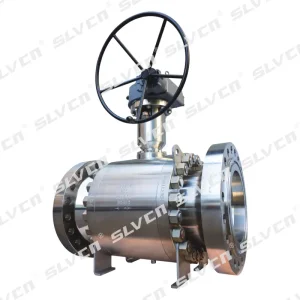
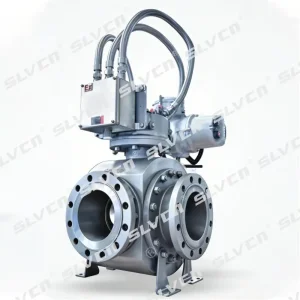
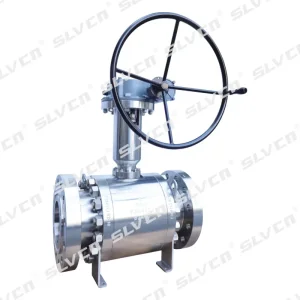
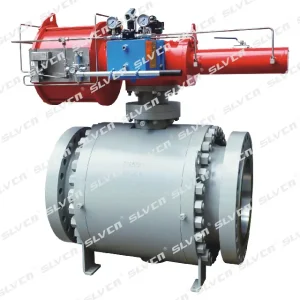
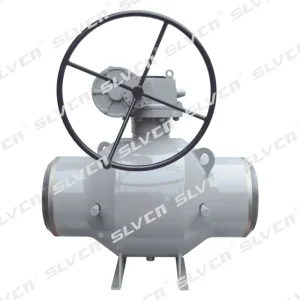
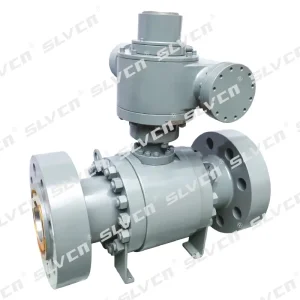
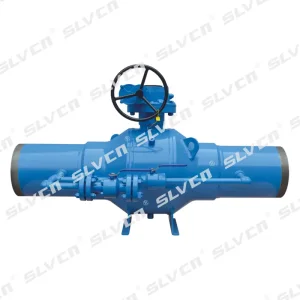
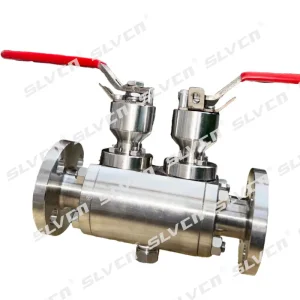
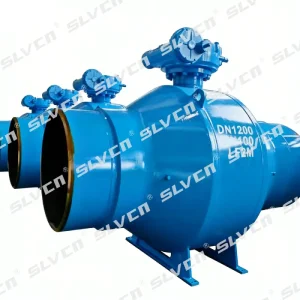
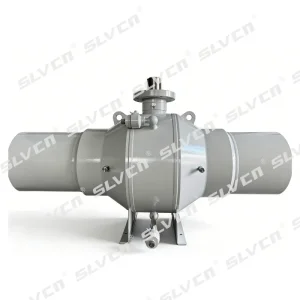
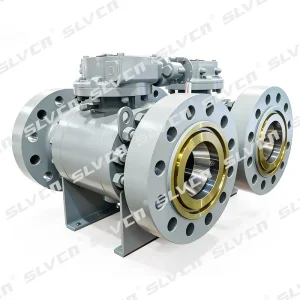
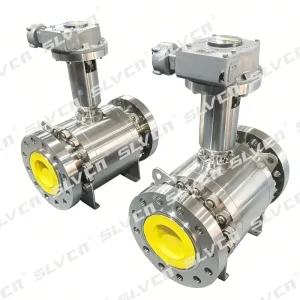
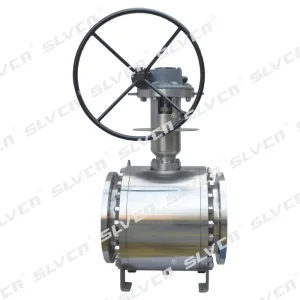
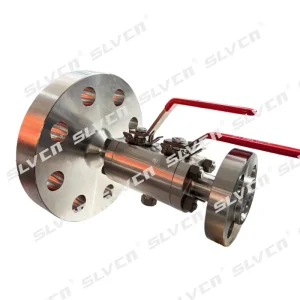
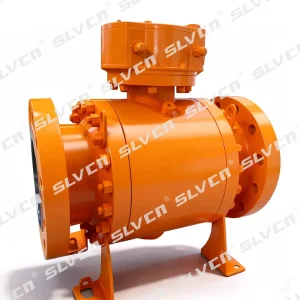
Engineered to withstand extreme temperature differentials, aggressive corrosive media, and severe operating pressure dynamics.
A comprehensive analysis of safety barrier engineering, overpressure mitigation technologies, and regulatory requirements in modern process infrastructures.
In modern high-pressure chemical loops, natural gas pipelines, and cryogenic storage facilities, overpressure is not just an operational failure—it is a catastrophic risk. Safety valves represent the ultimate barrier protecting personnel, equipment, and structural integrity.
Modern process safety engineering operates under a strict regime of standardized safety parameters. Within the global pipeline and refining infrastructure, the design, testing, and implementation of safety relief systems are governed by standardizations such as ASME Section VIII, API 520, API 526, and EN ISO 4126. These regulations govern standard orifice sizes, flow capacities, and structural margins to prevent pressure excursions beyond critical thresholds. Under normal operation, a relief valve remains closed, but once pressure limits are reached, the system must trigger rapid mechanical actuation.
As standard process automation shifts toward high-reliability designs, Chinese factories have modernized production tools. Forged and cast steel safety valves must adhere to rigorous test procedures (including cryogenic testing at -196°C or high-pressure gas tests) to qualify for safety integrity levels (SIL). This standard ensures zero leakage under severe pressure and temperature gradients, which is essential for global EPC projects in oil, gas, chemical, and new energy systems.
Specifies standard dimensions, orifice designations, set pressure limits, and temperature ranges for steel pressure relief valves in refining and process plants.
Governs the design, construction, and certification of high-pressure safety valves installed on certified pressure vessels and boilers.
European standard certifying design, verification, and sizing parameters for safety valves, bursting discs, and pilot-operated safety systems.
B2B procurement projects typically specify three primary designs of pressure-relieving safety mechanisms: direct spring-loaded, balanced bellows, and pilot-operated safety valves. Selecting the proper configuration requires analyzing the process fluid, expected backpressure, and variable operational cycles.
Advanced Metallurgy & Material Selection: Processing corrosive sour gas or cryogenic LNG requires advanced metallurgy. Modern manufacturing facilities use high-grade alloys including ASTM A105, F316/F316L stainless steel, Hastelloy C276, Monel, and Inconel 625. Hard-faced seating areas with Stellite 6 overlay prevent wire-drawing, erosion, and chemical corrosion in severe environments.
Different operating conditions require customized safety valve solutions to protect system pressure boundaries.
Direct spring and pilot-operated safety valves protect downstream components from surge conditions caused by slugging or sudden blockages.
Valves are constructed from low-temperature alloys like F316L and configured with extended bonnets to prevent ice crystallization on stem seals.
Designed with high-pressure ratings (up to 700 bar) and elastomer compounds formulated to prevent hydrogen embrittlement and micro-leakage.
A leading B2B supplier of industrial valves and safety isolation systems for demanding severe-service projects worldwide.

With three decades of manufacturing experience, SLVCN designs and manufactures high-performance industrial valves and overpressure protection accessories. Our quality management system covers every stage of production, from raw material inspection through advanced CNC machining to final pressure testing.
Our products are certified to ISO 9001, CE-PED, and API standards, and are used by industrial clients in Europe, North America, the Middle East, and Asia. We specialize in custom-engineered solutions for high-temperature, high-pressure, and cryogenic services where safety and long-term reliability are critical.
Quality and testing procedures are applied in accordance with applicable international standards, based on valve type and service conditions. Because safety relief valves are the last line of defense in high-pressure installations, testing protocols must verify performance before shipment.
B2B Procurement Optimization: Technical sourcing teams prioritize factories with certified raw material supply chains. Every component is traceable via Mill Test Certificates (MTC EN 10204 3.1 or 3.2), confirming chemical composition and mechanical properties before production begins.
The industrial landscape is moving toward digital process safety. Future safety valve designs will integrate smart diagnostics and real-time monitoring. This technology tracks lift cycles, pinpoints minor leaks, and monitors pressure fluctuations using industrial IoT networks, allowing operators to transition from reactive to predictive maintenance.
In addition, clean energy growth has introduced new technical demands. Hydrogen applications require specialized valve designs to prevent hydrogen embrittlement and stem seal leakage. Advanced sealing compounds and precise tolerances help minimize gas loss and protect safety systems across the hydrogen supply chain.
Expert insights on sizing, installation, compliance, and material selection for industrial safety relief valves.
Ensuring zero leakage and stable performance in high-pressure pipelines, chemical processing loops, and LNG installations.
 Shoulong Valve