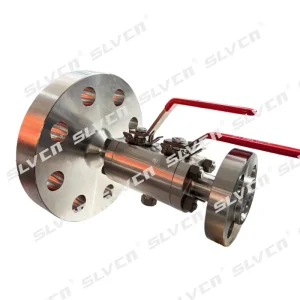
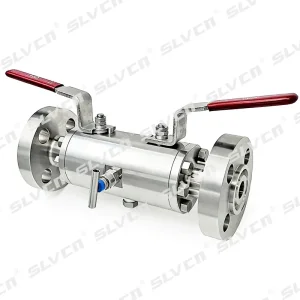
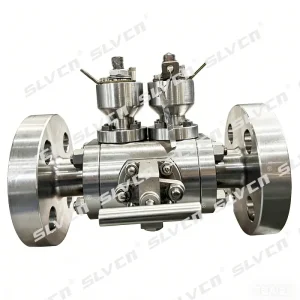
High-Quality Sanitary Ball Valve Supplier & Factory

Precision-Engineered Hygienic Flow Solutions & High-Performance Valves Configured for Sanitary Integrity and Extreme Industrial Service.

Global Industrial Landscape of Sanitary & High-Performance Ball Valves

In modern process industries, the line between sanitary safety and high-pressure operational integrity is increasingly defined by manufacturing precision. The global demand for sanitary ball valves has expanded far beyond simple food-grade processing. Today, biotechnology, biopharmaceuticals, semi-conductor cleanrooms, fine chemical formulation, and medical utilities necessitate fluid handling systems with ultra-low surface roughness (Ra < 0.4 μm), dead-space free geometries, and certified zero-leakage capabilities. At the same time, high-pressure industrial facilities are adopting sanitary standards to reduce cavitation, flow resistance, and corrosion fatigue.

Key Industry Growth Factor: The convergence of hygienic design principles with critical isolation engineering. Valves must withstand severe clean-in-place (CIP) and steam-in-place (SIP) cycles without seal deterioration, mechanical wear, or process fluid contamination.

Global Market Demands & Technical Conformity

Sanitary ball valves must comply with stringent regulatory standards, including ASME BPE (Bioprocess Equipment), 3-A Sanitary Standards, EHEDG (European Hygienic Engineering & Design Group), and FDA elastomer compliance. Process engineers globally seek suppliers capable of providing fully traceable stainless steels (ASTM A182 F316L with low ferrite levels < 3% or EN 1.4435) to prevent delta-ferrite induced rouge in clean steam lines. Finding a manufacturing partner with both metallurgical expertise and cleanroom assembly operations is paramount to assuring clean process lines.

The China Factory Efficiency Advantage

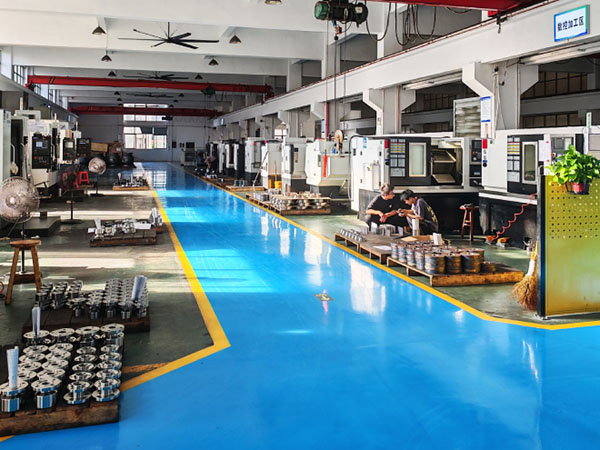
China has evolved from a standard foundry hub to a powerhouse of high-precision valve automation. As a leading manufacturer, our facility leverages an integrated supply chain that spans raw forging block production to advanced automated surface finishing. By incorporating CNC machining centers, automated orbital welding, and robotic mechanical polishing, Chinese factories produce ASME BPE and API 6D compliant valves at scale. The combination of local material availability, vertical integration, and ISO 9001:2015 controlled assembly methods enables us to deliver unmatched engineering quality with significantly reduced lead times.

Customizable High-Performance Valves

Trusted by major EPC projects and plant operations worldwide. Select a category below to explore specific valve configurations.

Popular valves engineered for extreme service conditions.
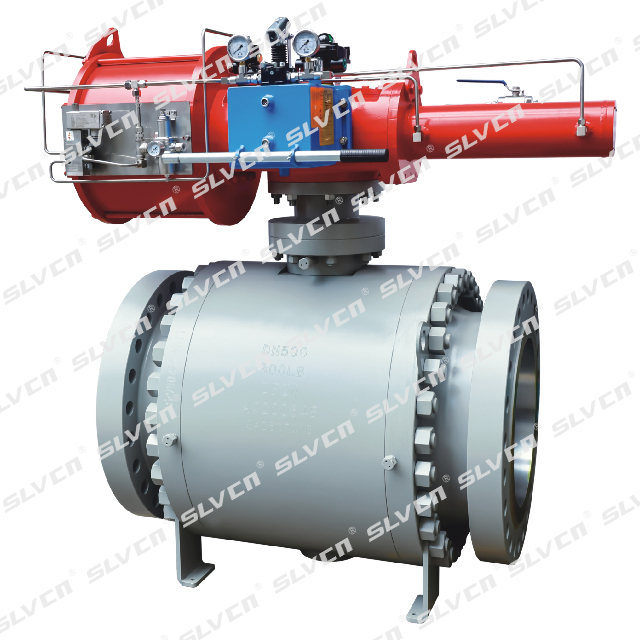
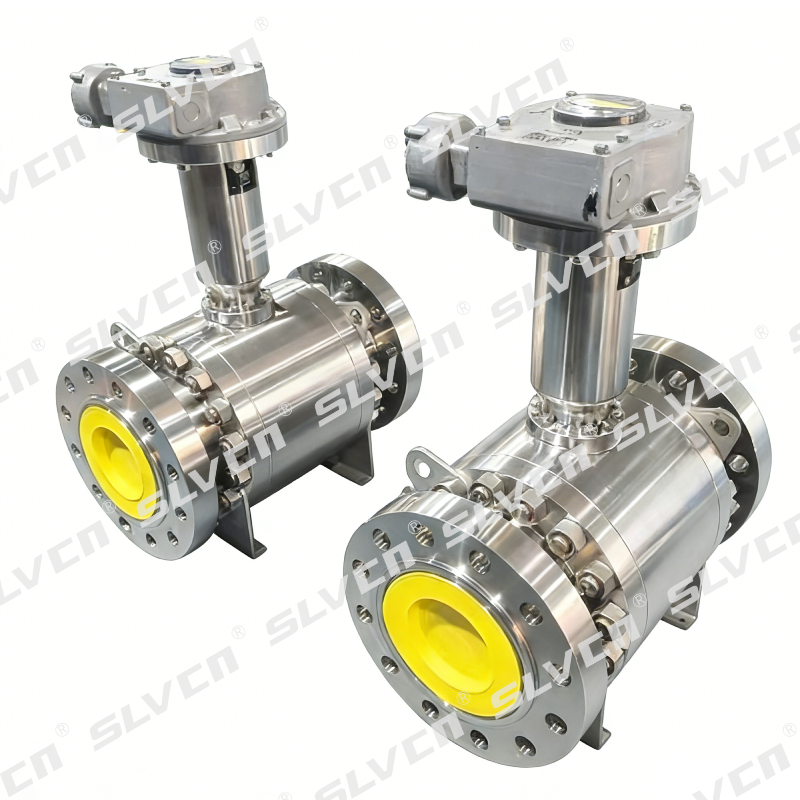
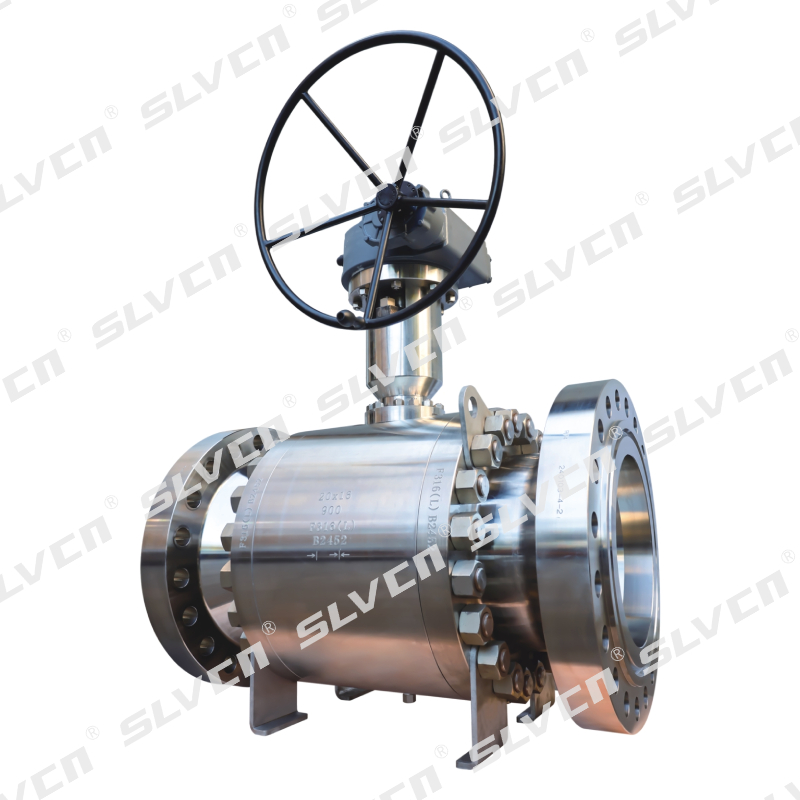
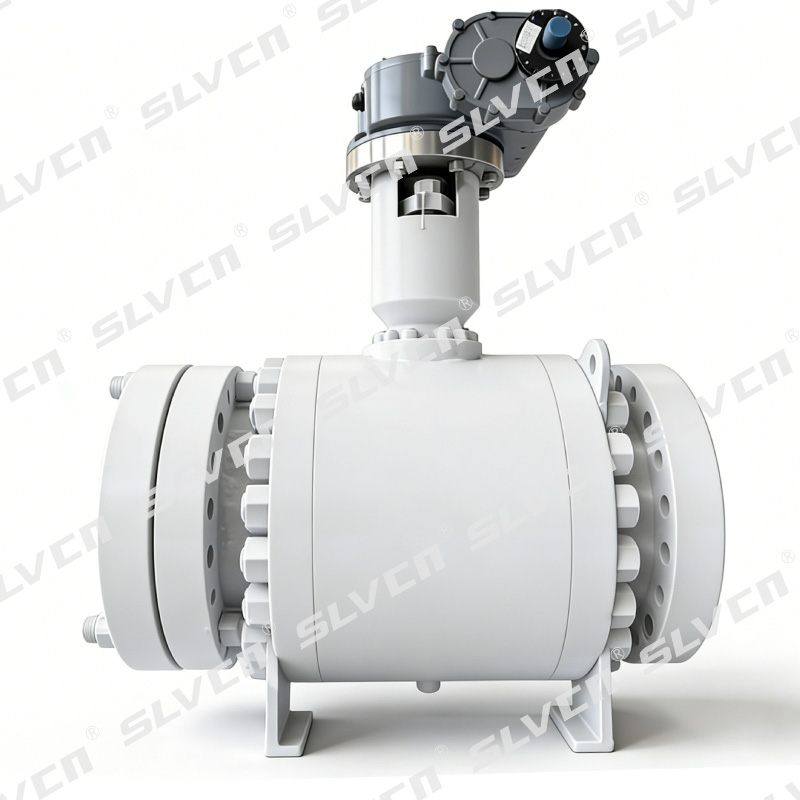
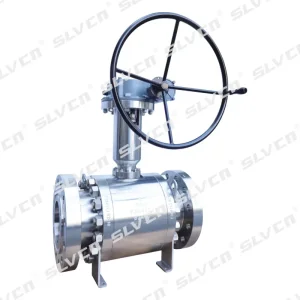
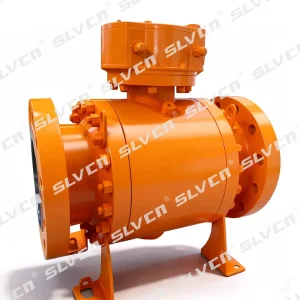
Class 300 Trunnion-mounted Forged Steel Ball Valve

Class 300 Trunnion-mounted Forged Steel Ball Valve

Learn More
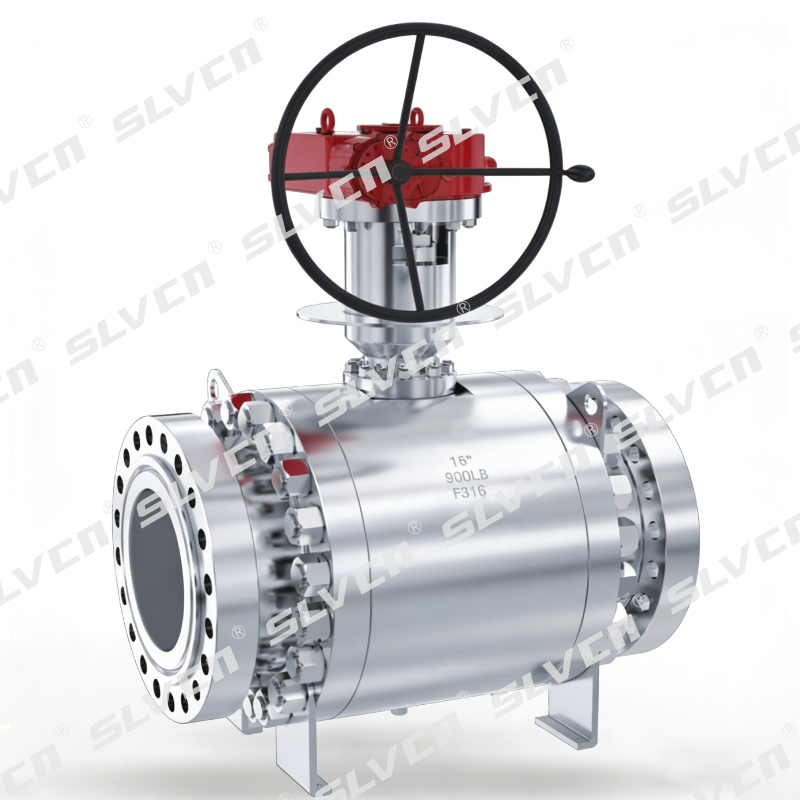
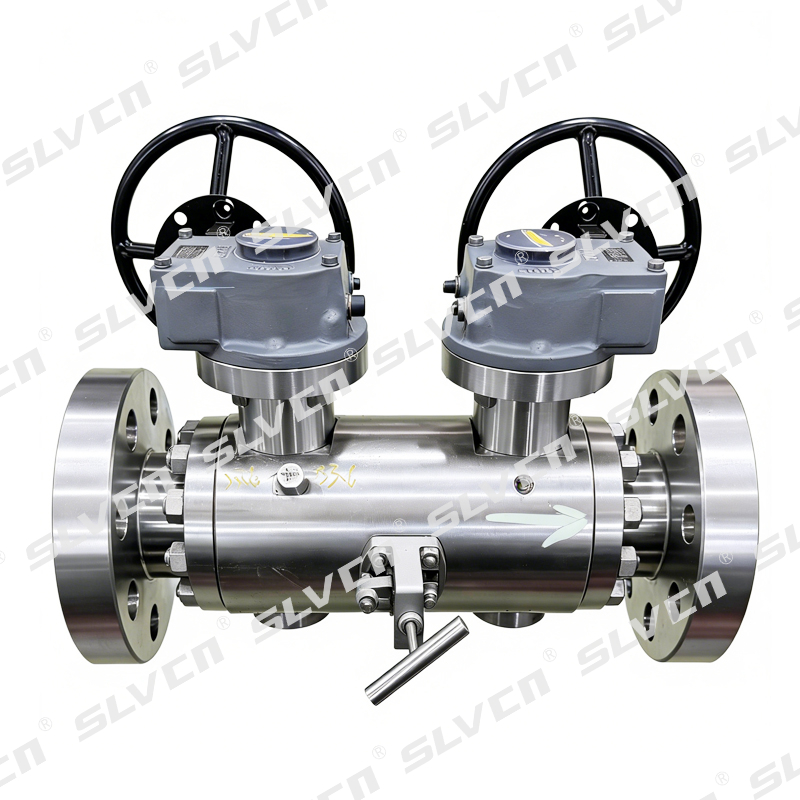
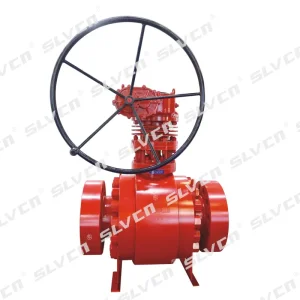
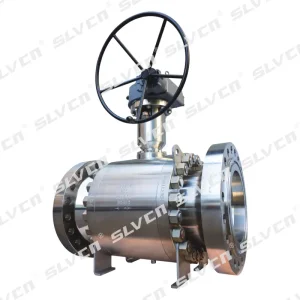
Class 600 Fully Welded Trunnion-Mounted DBB Ball Valve

Class 600 Fully Welded Trunnion-Mounted DBB Ball Valve with Pipe Extensions, Gear Operated

Learn More
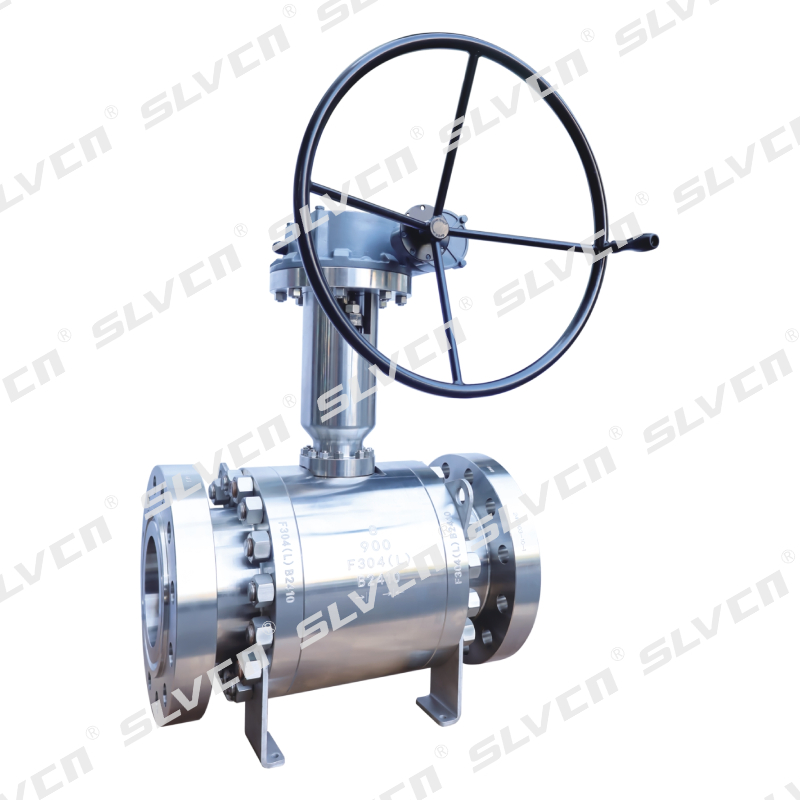
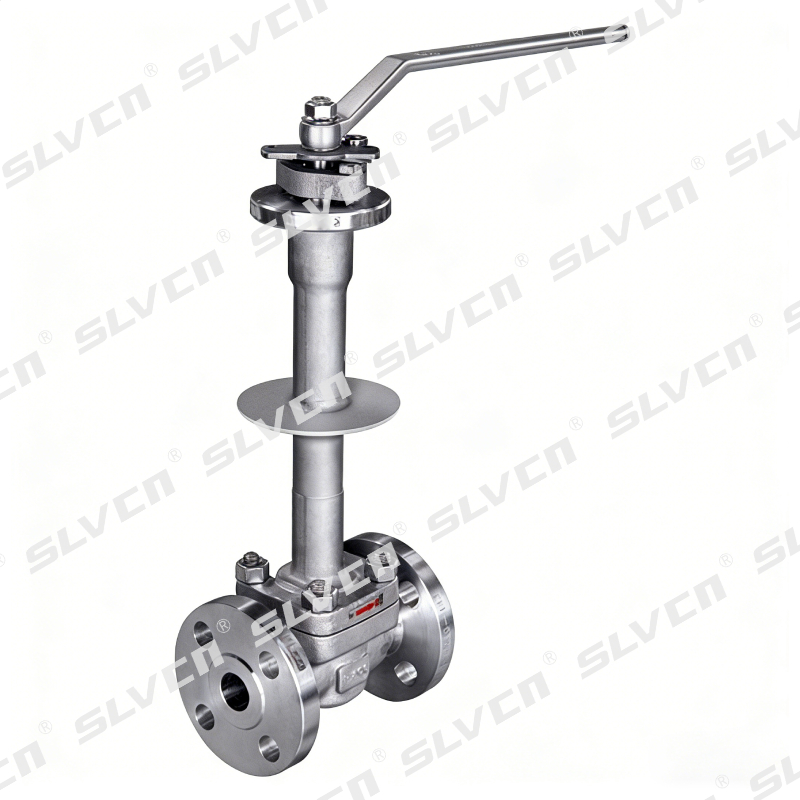
Cryogenic Forged Trunnion Ball Valve

Cryogenic Forged Trunnion Ball Valve Design with ISO 5211 Platform

Learn More
Fire-Safe Multi-Layer Stem Sealing Ball Valve

Fire-Safe Multi-Layer Stem Sealing Class 2500 F11 Trunnion Mounted Ball Valve

Learn More
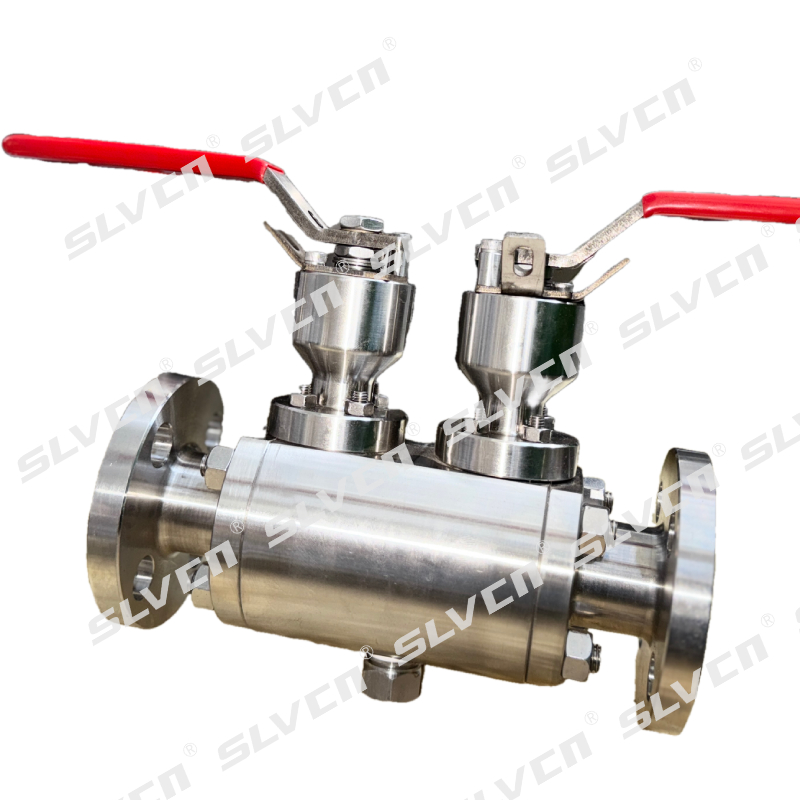
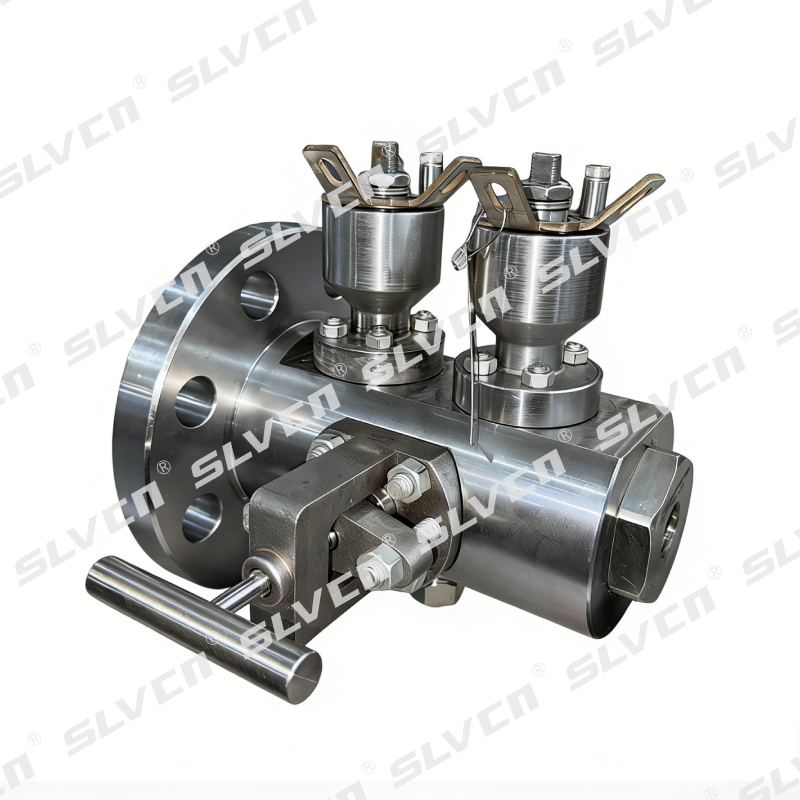
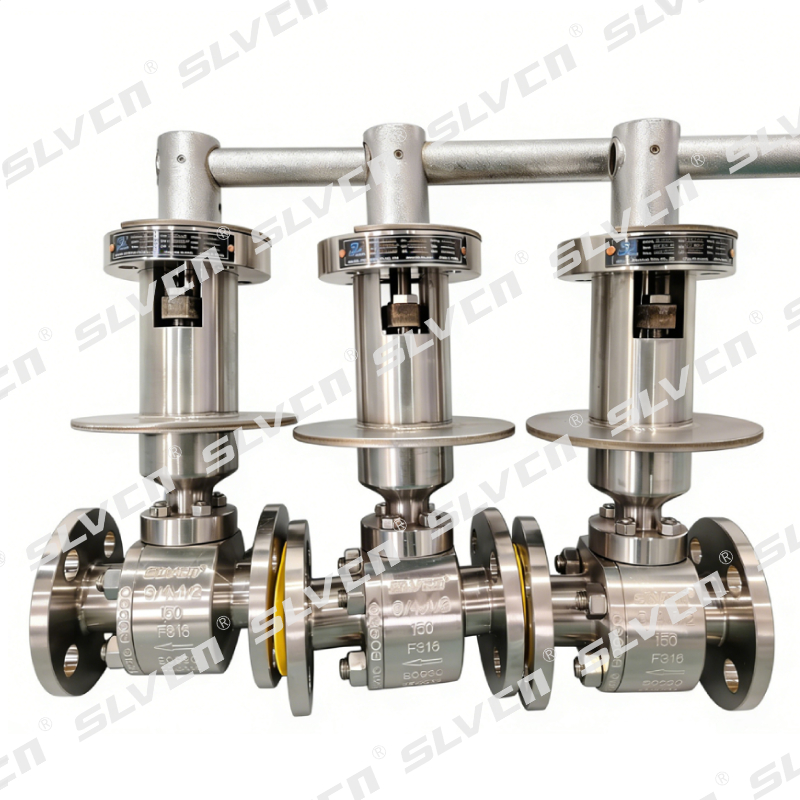
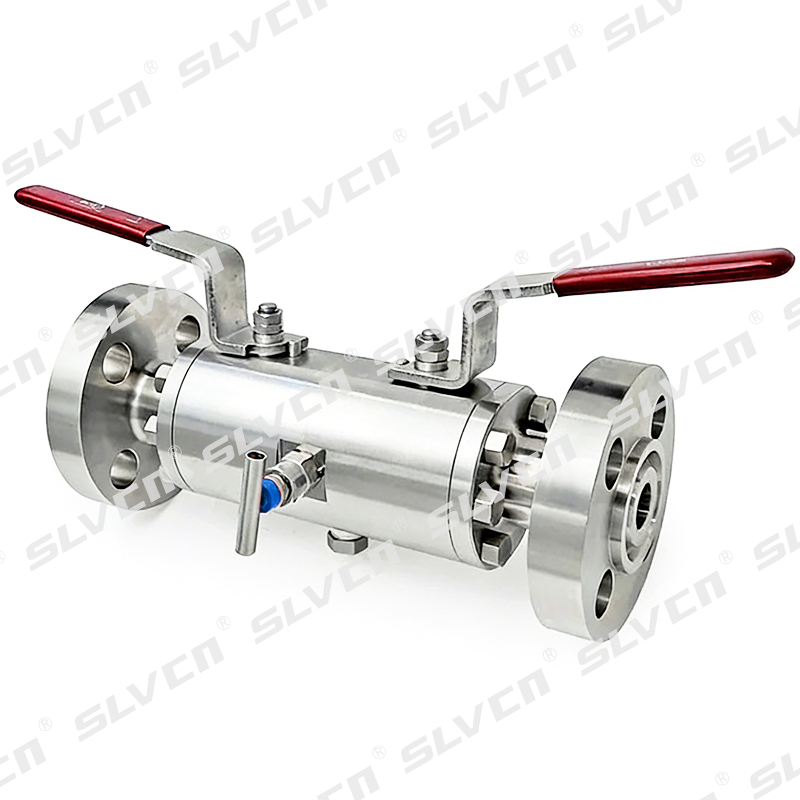
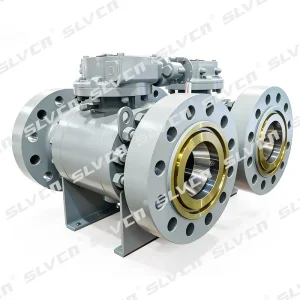
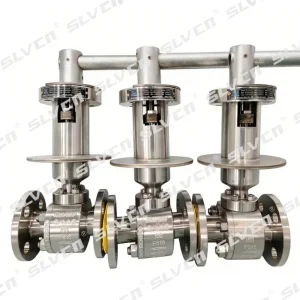
Stainless Steel Twin Ball DBB Valve

Stainless Steel Twin Ball DBB Valve with Dual Manual Handles

Learn More
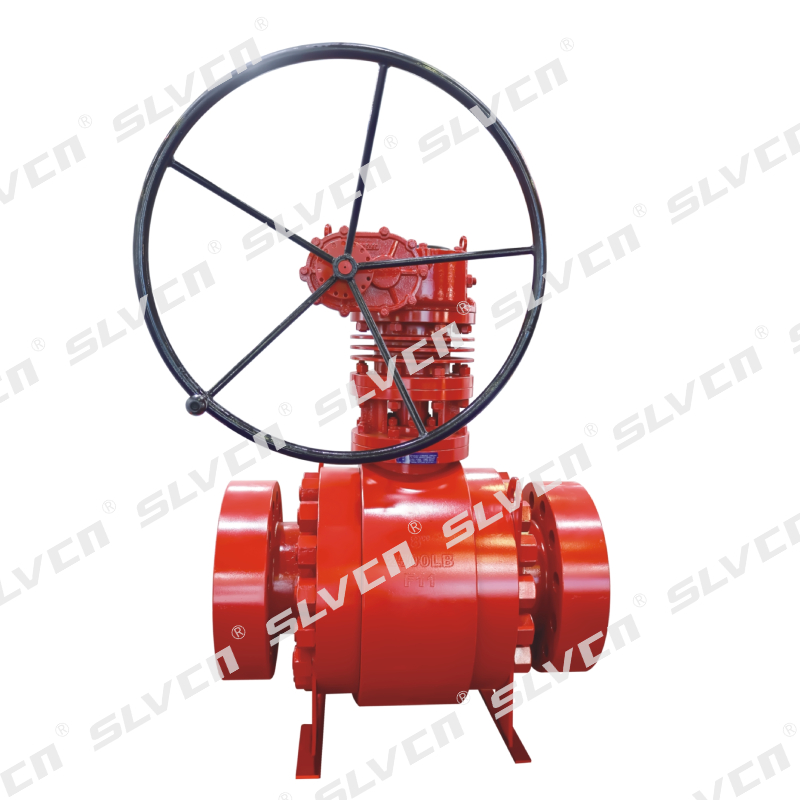
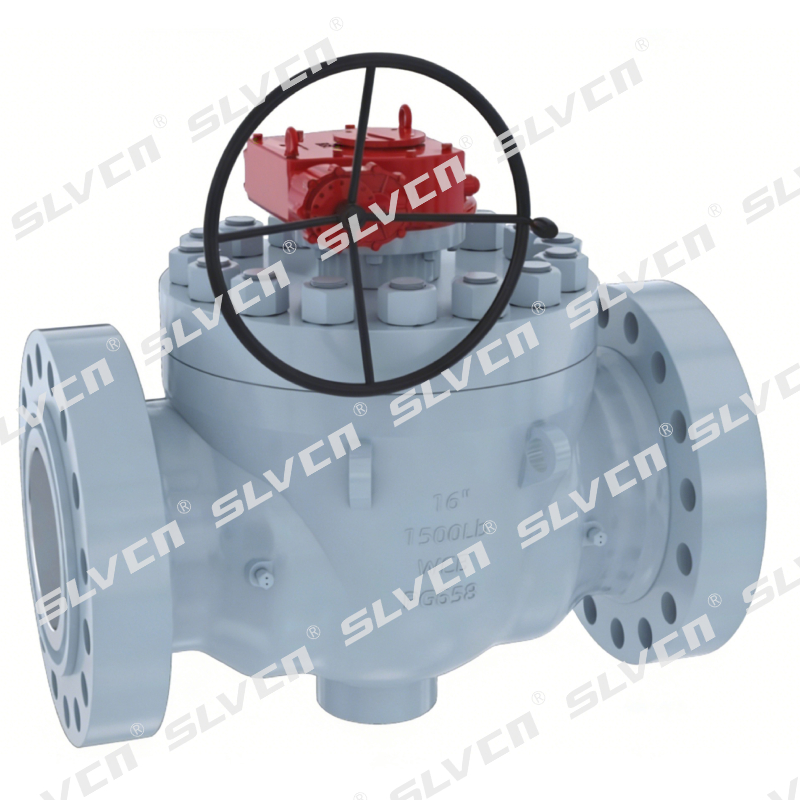
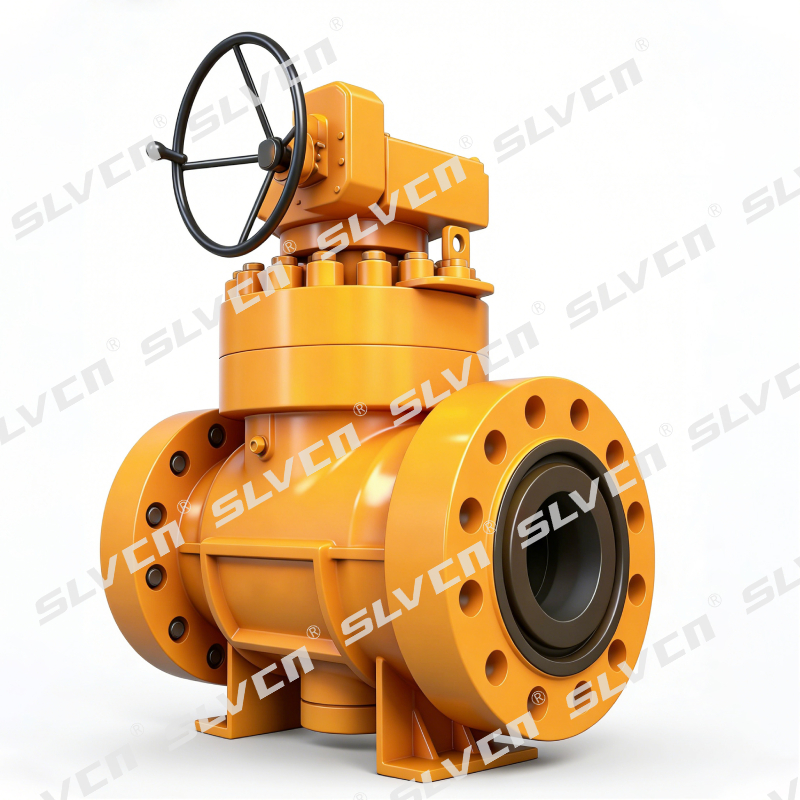
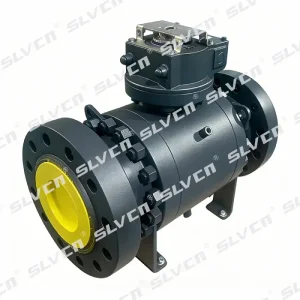
1500LB Top Entry WCB Trunnion-Mounted Ball Valve

1500LB Top Entry WCB Trunnion-Mounted Ball Valve

Learn More
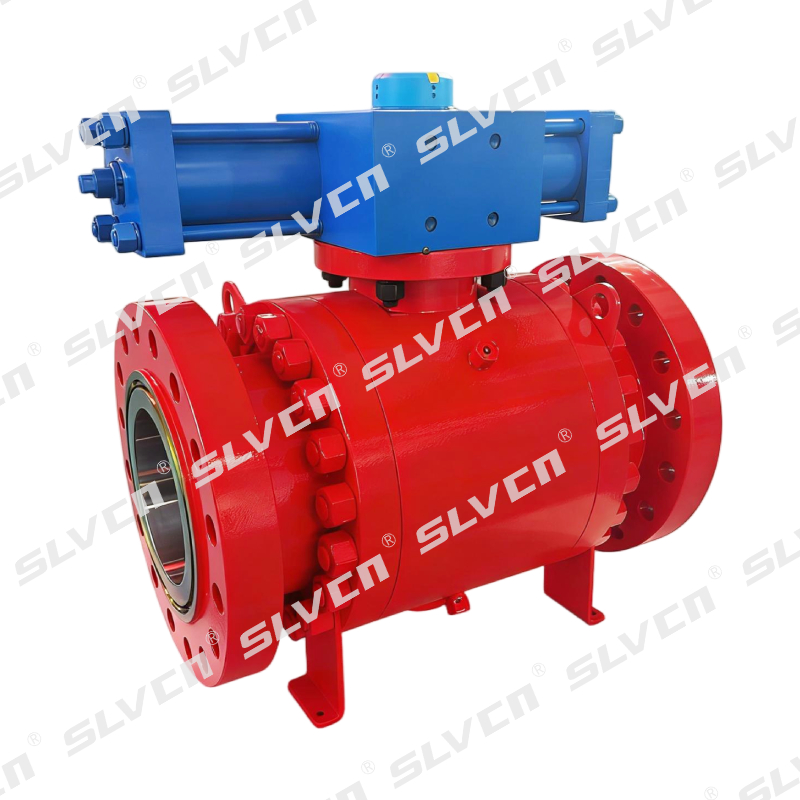
Heavy-Duty Trunnion Mounted Flanged Ball Valve

Heavy-Duty Trunnion Mounted Flanged Ball Valve with Double-Acting / Spring-Return Pneumatic Actuator

Learn More
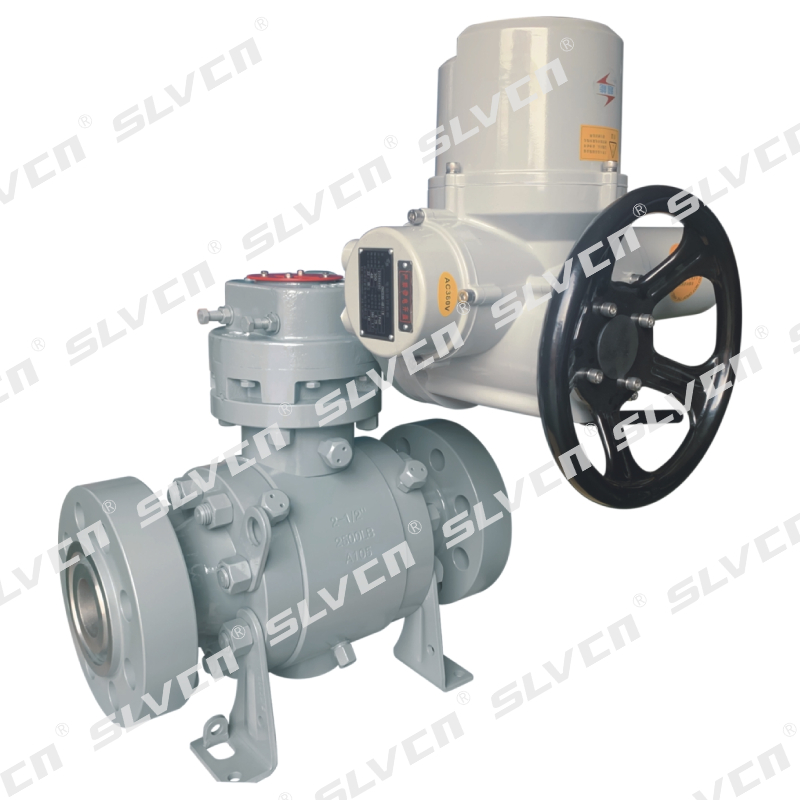
Class 2500 A105 Trunnion Mounted Metal Seated Ball Valve

Class 2500 A105 Trunnion Mounted Metal Seated Ball Valve with Heavy-Duty Electric Actuator

Learn More

Engineered for Class 900–2500 service, ensuring zero-leakage under extreme pressures.
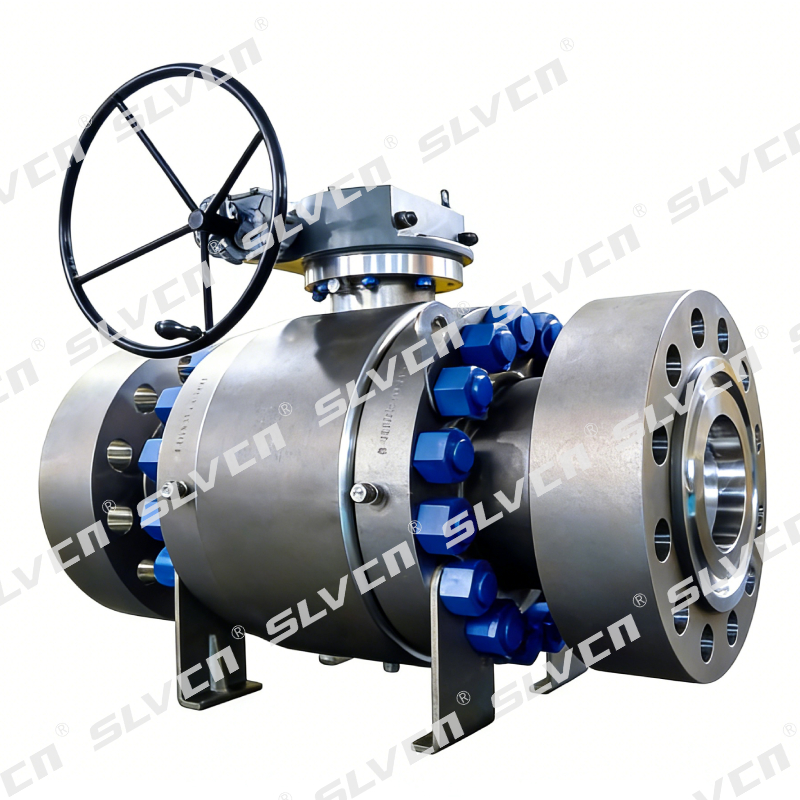
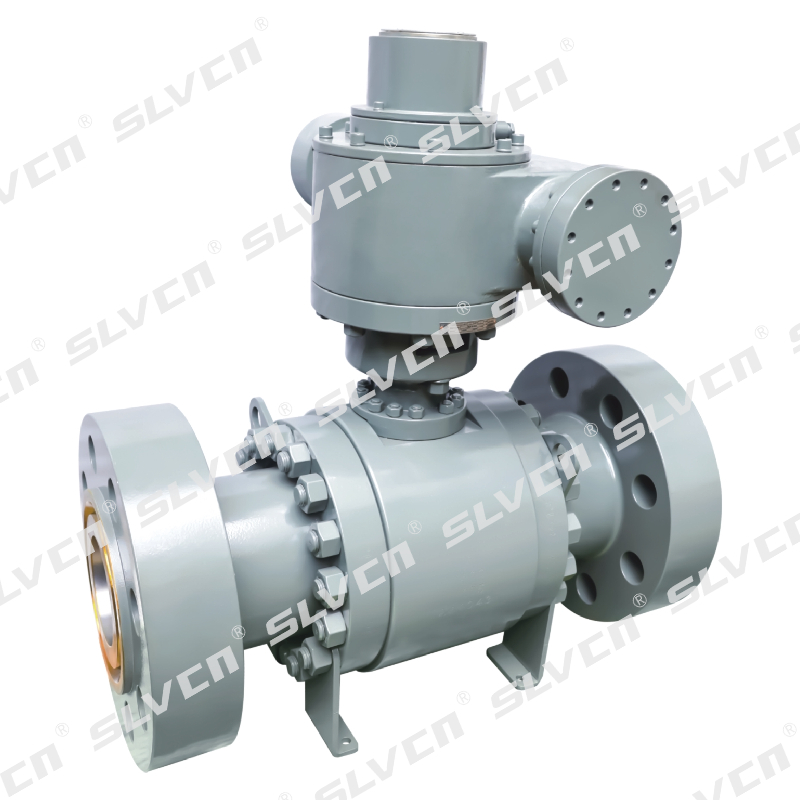
Severe Service Metal Seated DBB Ball Valve

Severe Service Metal Seated High-Integrity DBB Ball Valve for Critical Isolation

Learn More
Class 2500 A105 Trunnion Mounted Metal Seated Ball Valve

Class 2500 A105 Trunnion Mounted Metal Seated Ball Valve with Heavy-Duty Electric Actuator

Learn More
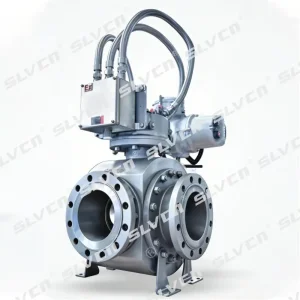
High-Pressure Metal Seated DBB Trunnion Mounted Ball Valve

High-Pressure Metal Seated DBB Trunnion Mounted Electric Actuated Ball Valve

Learn More
1500LB Top Entry WCB Trunnion-Mounted Ball Valve

1500LB Top Entry WCB Trunnion-Mounted Ball Valve

Learn More
Fire-Safe Multi-Layer Stem Sealing Ball Valve

Fire-Safe Multi-Layer Stem Sealing Class 2500 F11 Trunnion Mounted Ball Valve

Learn More
Lockable 2500LB Reduced Bore DBB Valve

Flanged × NPT/BSP Linked & Lockable 2500LB Reduced Bore DBB Double Ball Valve

Learn More
Class 900 Reduced Port Forged DBB Ball Valve

Class 900 Reduced Port Forged DBB Trunnion-Mounted Cryogenic Ball Valve

Learn More
Class 900 Fully Welded Trunnion-Mounted DBB Gas Valve

Class 900 Fully Welded Trunnion-Mounted DBB Gas Ball Valve with Gear Operator

Learn More

Reliable sealing at ultra-low temperatures down to -196℃.
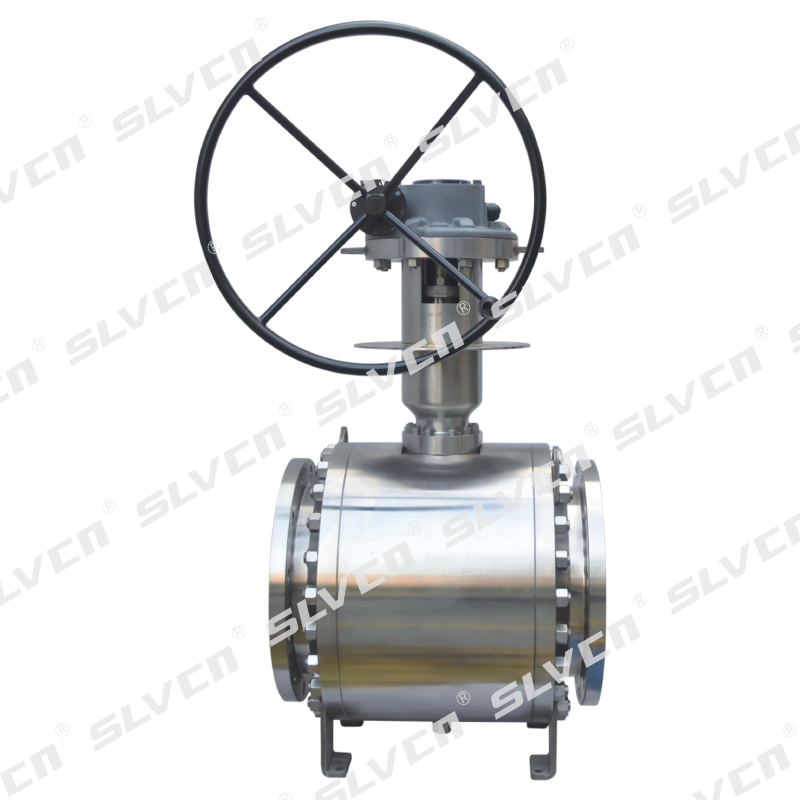
Cryogenic Forged Trunnion Ball Valve

Cryogenic Forged Trunnion Ball Valve Design with ISO 5211 Platform

Learn More
Compact Cryogenic Trunnion Mounted Ball Valve

Compact Cryogenic Trunnion Mounted Ball Valve with Worm Gear

Learn More
900LB Forged DBB Trunnion-Mounted Cryogenic Ball Valve

900LB Forged DBB Trunnion-Mounted Cryogenic Ball Valve

Learn More
Full Port Cryogenic Trunnion Mounted DBB Ball Valve

Full Port Cryogenic Trunnion Mounted DBB Ball Valve - F316, Gear Operated

Learn More
Class 900 Reduced Port Forged DBB Cryogenic Ball Valve

Class 900 Reduced Port Forged DBB Trunnion-Mounted Cryogenic Ball Valve

Learn More
Class 300 Forged DBB Ultra-Low Temp Ball Valve

Class300 Forged DBB Trunnion-Mounted Ultra-Low Temperature Ball Valve

Learn More
Cryogenic Top Entry Floating Ball Valve

Cryogenic Top Entry Floating Ball Valve with Extended Stem

Learn More
Cryogenic Reduce Port Floating Ball Valve

Cryogenic Reduce Port Floating Ball Valve with Locking Device

Learn More

Supported ball valves for large-diameter and critical service.
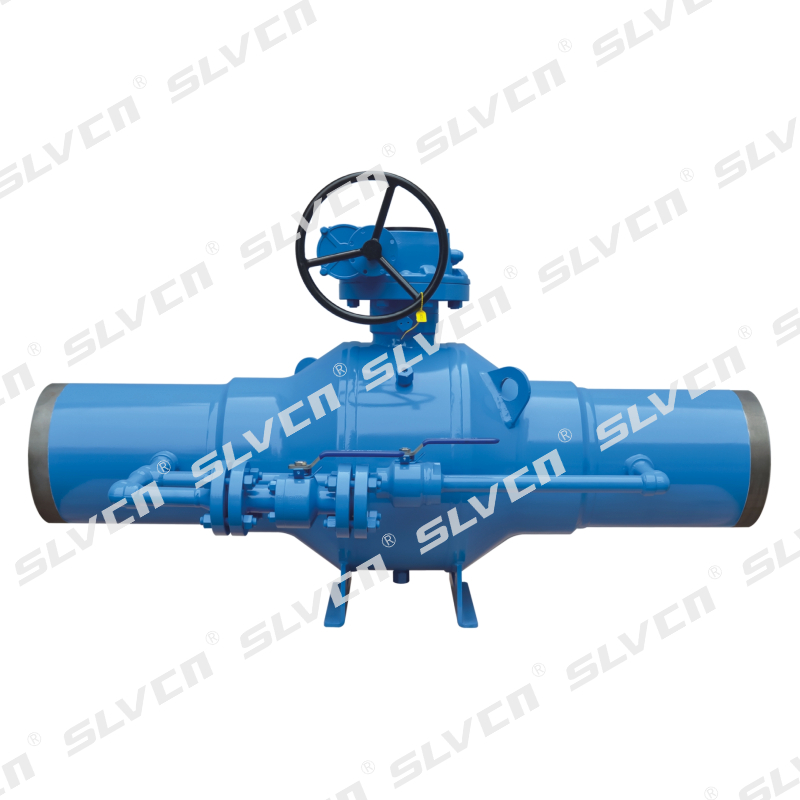
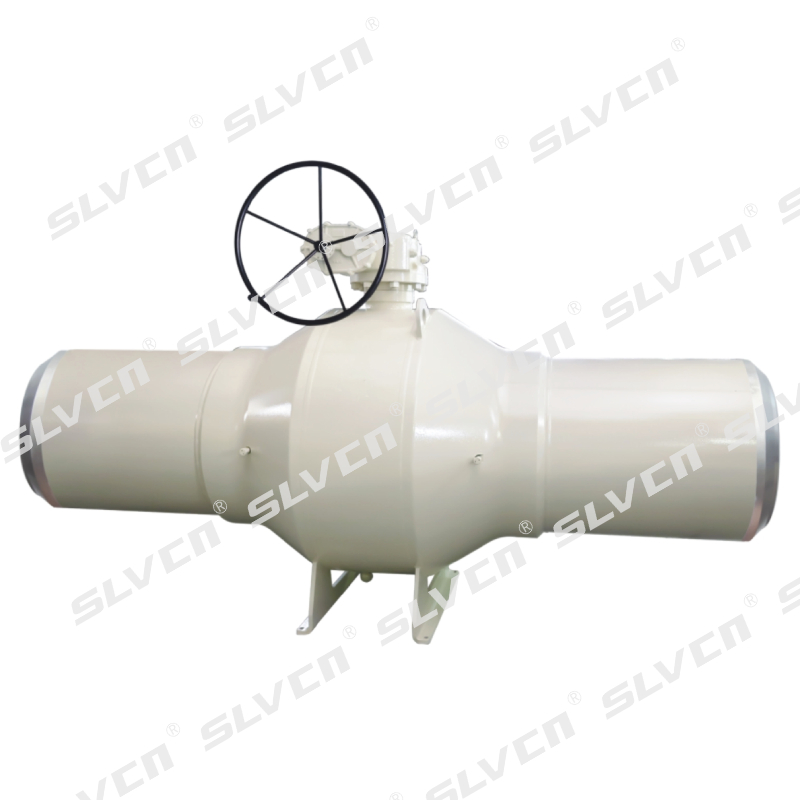
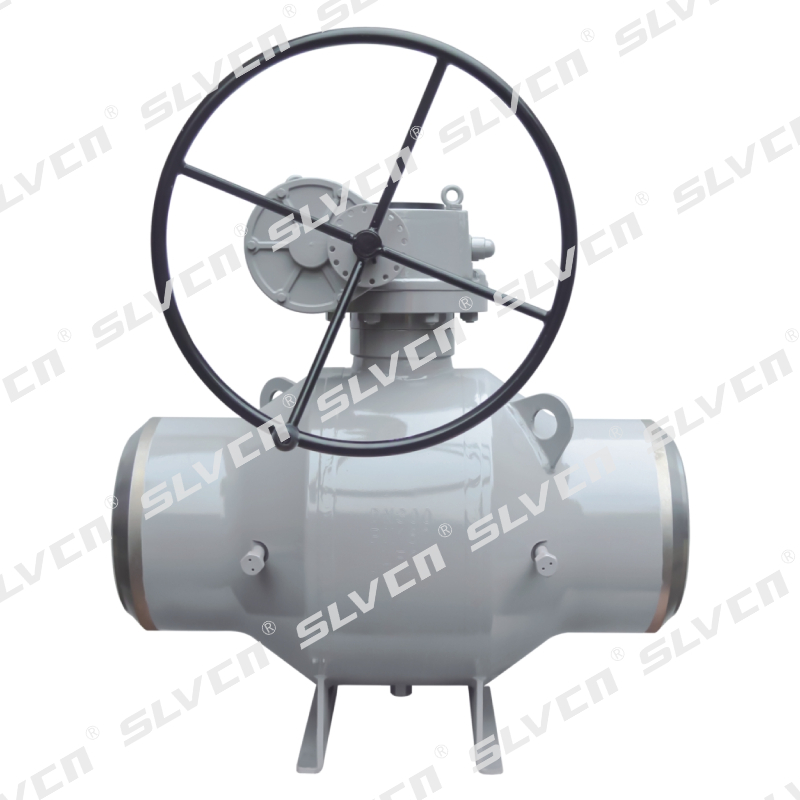
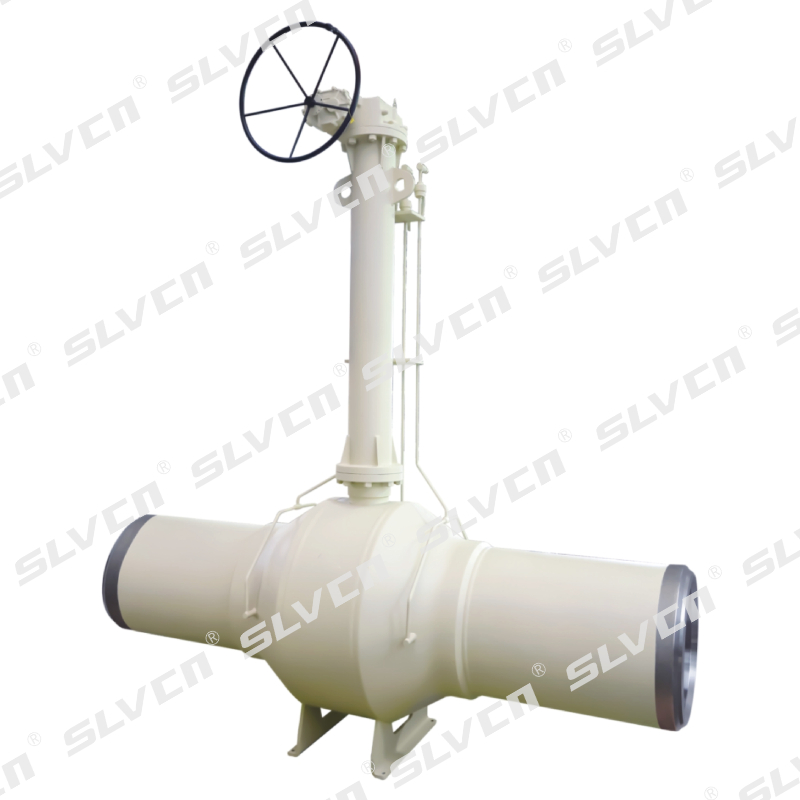
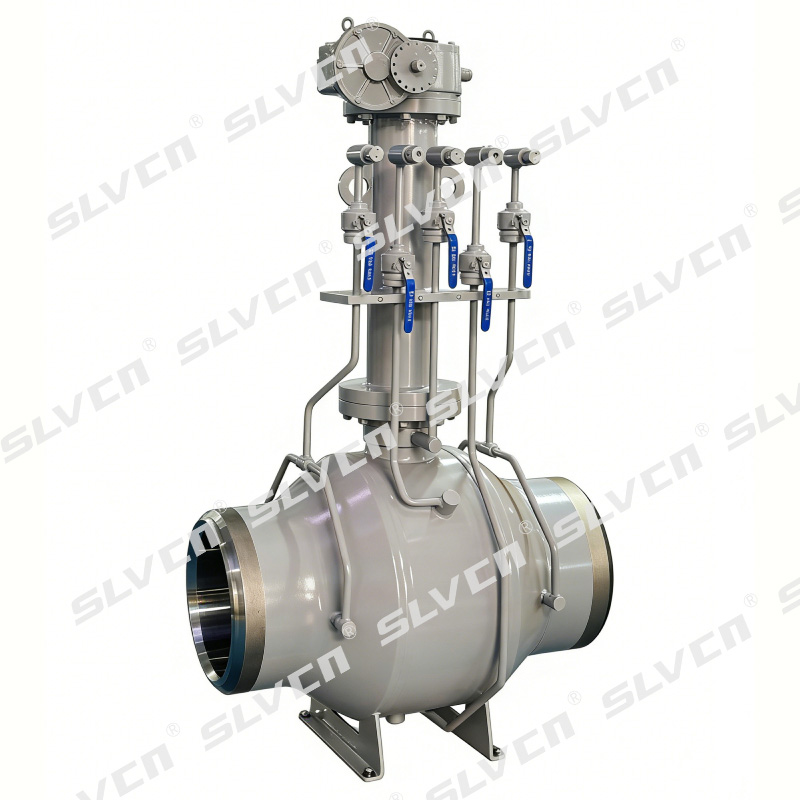
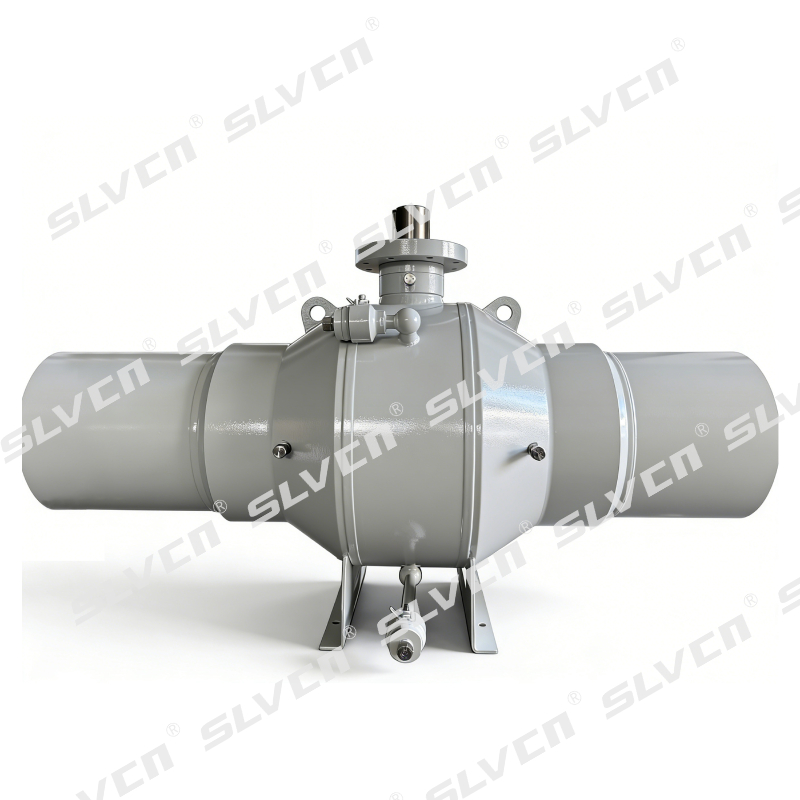
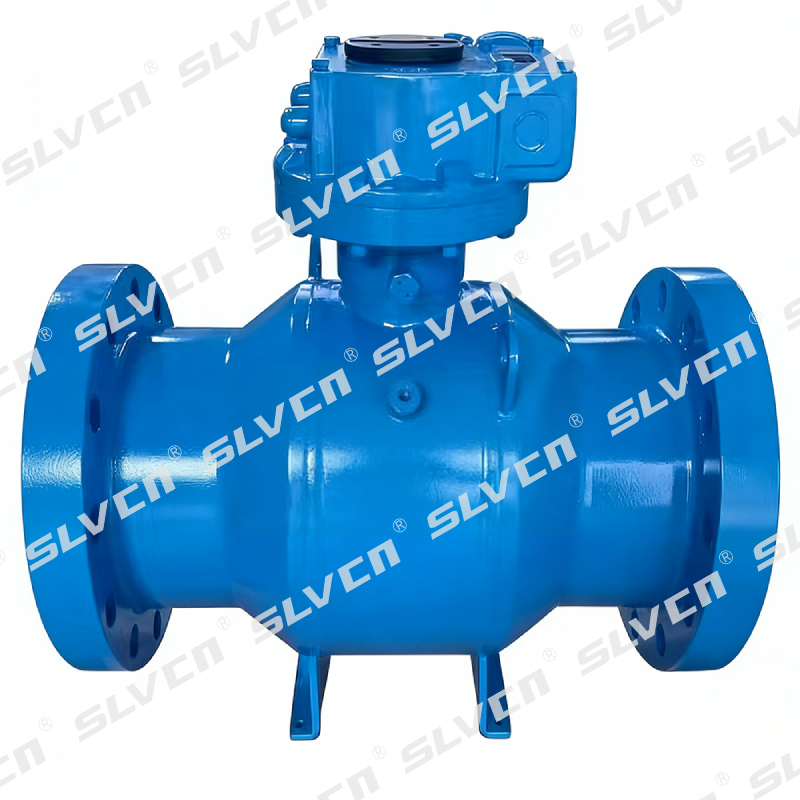
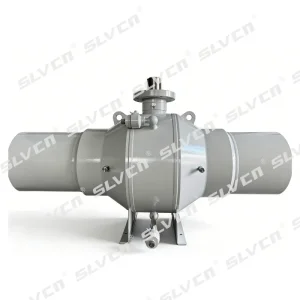
Fully Welded Trunnion Ball Valve

Fully Welded Trunnion Ball Valve with Bypass and Drain

Learn More
Class 600 Fully Welded Trunnion-Mounted DBB Ball Valve

Class 600 Fully Welded Trunnion-Mounted DBB Ball Valve with Pipe Extensions, Gear Operated

Learn More
Fully Welded Buried Trunnion Ball Valve

Fully Welded Buried Trunnion Ball Valve with Extended Stem

Learn More
Class 900 Fully Welded DBB Gas Ball Valve

Class 900 Fully Welded Trunnion-Mounted DBB Gas Ball Valve with Gear Operator

Learn More
Fully Welded Ball Valve for Underground Pipeline

Fully Welded Trunnion-Mounted Ball Valve with Extended Stem for Underground Pipelines

Learn More
Class 600 Fully Welded Ball Valve

Class 600 Fully Welded Trunnion-Mounted DBB Ball Valve

Learn More
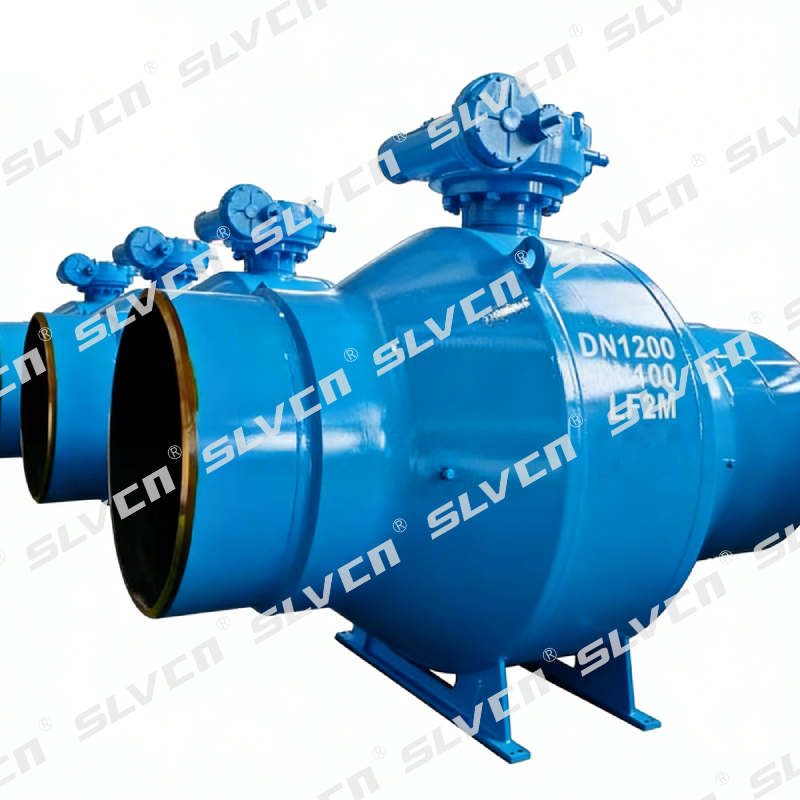
Large Diameter Fully Welded Ball Valve

Large Diameter Fully Welded Ball Valve for Natural Gas Transmission Pipeline

Learn More
Fully Welded Flanged Trunnion Mounted Ball Valve

Fully Welded Flanged Trunnion Mounted Ball Valve

Learn More

Double Block & Bleed valves with fire-safe and anti-blowout design for maximum safety.
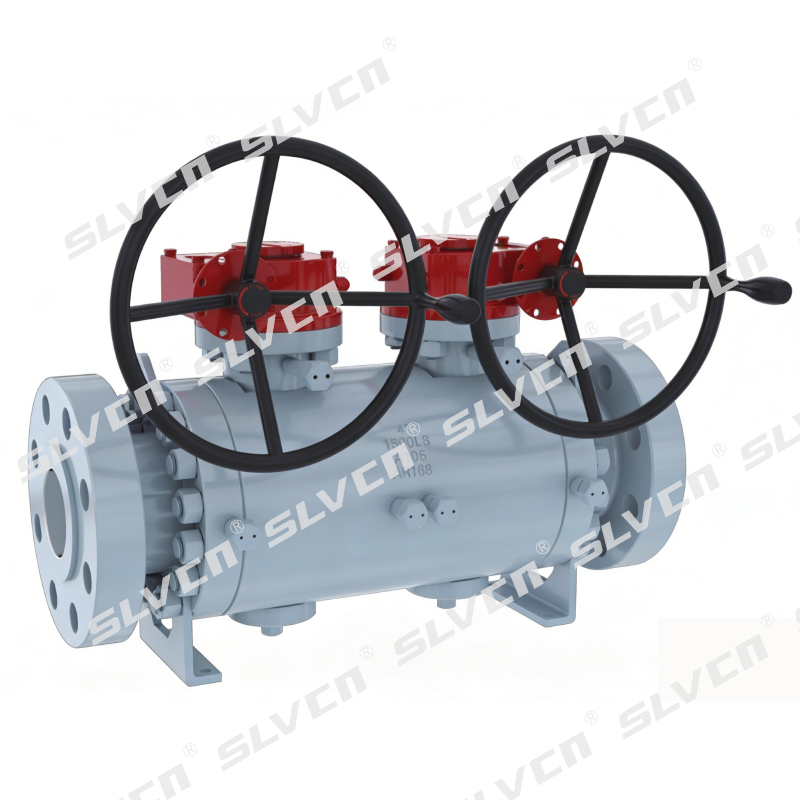
Stainless Steel Twin Ball DBB Valve

Stainless Steel Twin Ball DBB Valve with Dual Manual Handles

Learn More
Twin Ball DBB Trunnion Mounted Ball Valve

Twin Ball DBB Trunnion ‑Mounted Ball Valve with Worm Gear

Learn More
Lockable 2500LB Reduced Bore DBB Double Ball Valve

Flanged × NPT/BSP Linked & Lockable 2500LB Reduced Bore DBB Double Ball Valve

Learn More
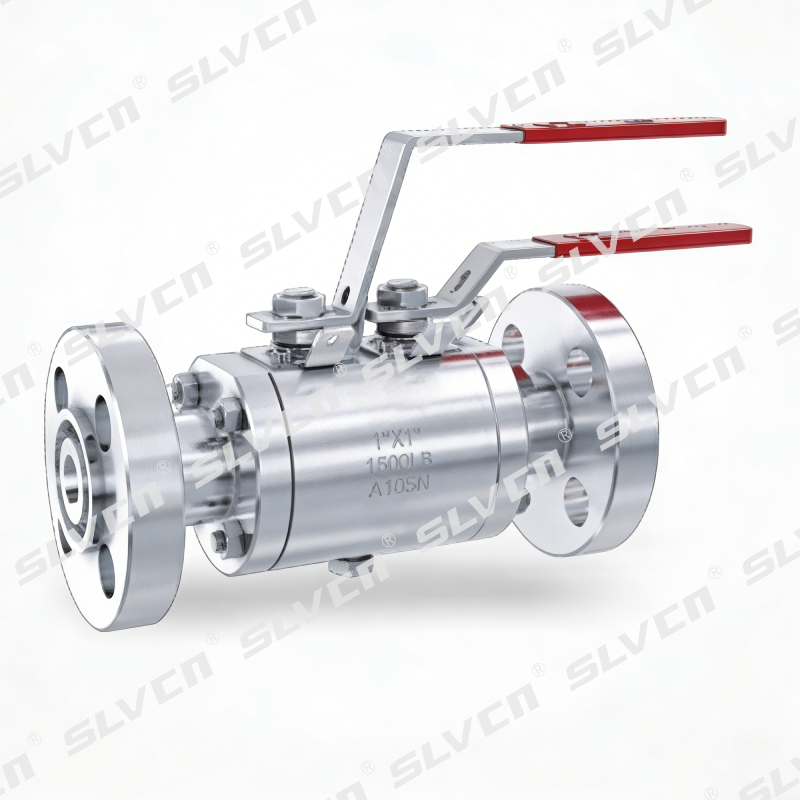
ASTM A105N 1500LB Flanged DBB Valve

ASTM A105N 1500LB Flanged Double Block and Bleed (DBB) Ball Valve

Learn More
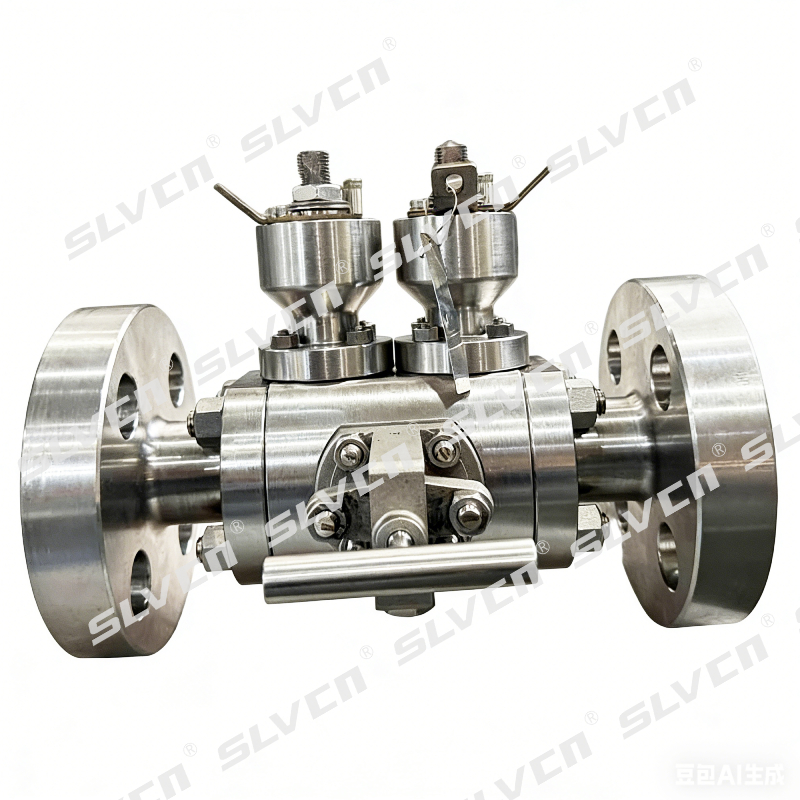
Integrated Twin Ball DBB Valve with Dual Stems

Integrated Twin Ball DBB Valve with Dual Stems

Learn More
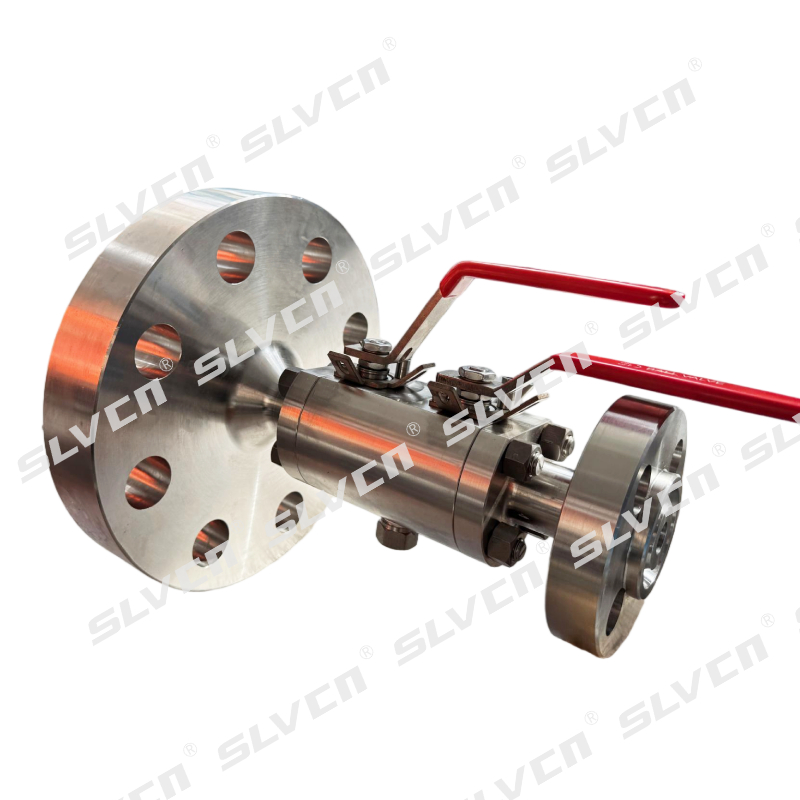
Reducing Flanged Twin Ball Double Block and Bleed Valve

Reducing Flanged Twin Ball Double Block and Bleed Valve

Learn More
Forged Double Ball DBB Valve with Dual Gear

Forged Double Ball DBB Valve with Dual Gear Operation

Learn More
High-Integrity Double Ball DBB Trunnion Mounted Valve

High-Integrity Double Ball DBB Trunnion Mounted Valve

Learn More

Engineered for safe operation at temperatures up to 550℃.
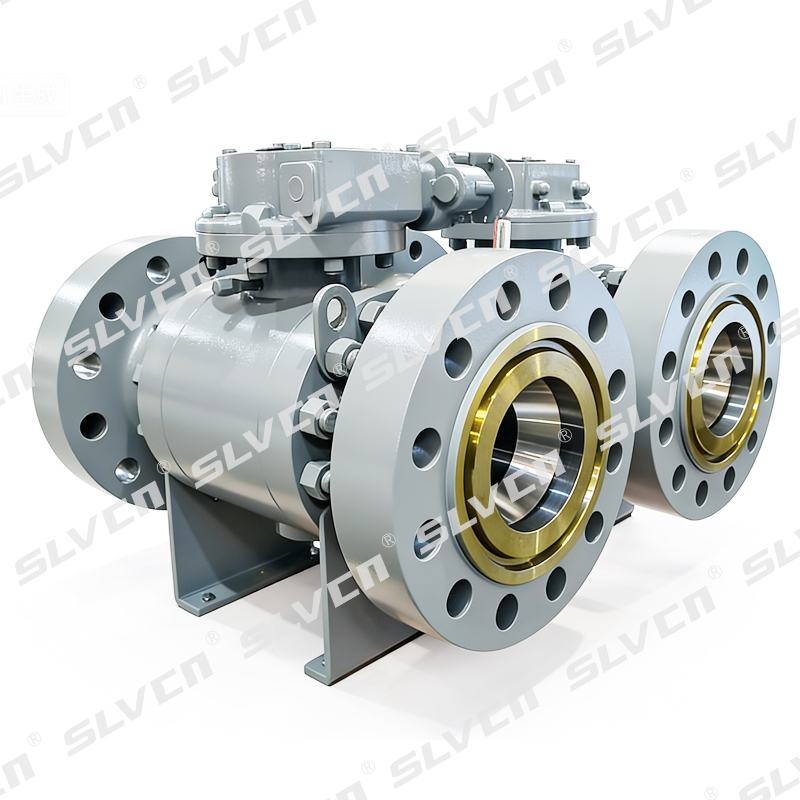
Forged Steel Metal Seated Ball Valve

Forged Steel Metal Seated Trunnion-Mounted DBB Ball Valve

Learn More
Severe Service Metal Seated DBB Ball Valve

Severe Service Metal Seated High-Integrity DBB Ball Valve for Critical Isolation

Learn More
High-Pressure Metal Seated DBB Actuated Valve

High-Pressure Metal Seated DBB Trunnion Mounted Electric Actuated Ball Valve

Learn More
Class 2500 A105 Trunnion Mounted Metal Seated Ball Valve

Class 2500 A105 Trunnion Mounted Metal Seated Ball Valve with Heavy-Duty Electric Actuator

Learn More
Fire-Safe Multi-Layer Stem Sealing Ball Valve

Fire-Safe Multi-Layer Stem Sealing Class 2500 F11 Trunnion Mounted Ball Valve

Learn More
Class 600 High-Temp Top Entry Ball Valve

Class 600 High-Temp & High-Pressure Metal Seated Top Entry Ball Valve

Learn More
Heavy-Duty Trunnion Mounted Flanged Ball Valve

Heavy-Duty Trunnion Mounted Flanged Ball Valve with Double-Acting / Spring-Return Pneumatic Actuator

Learn More
2500LB Reduced Bore DBB Double Ball Valve

Flanged × NPT/BSP Linked & Lockable 2500LB Reduced Bore DBB Double Ball Valve

Learn More

Industries We Serve

Providing verified, high-performance fluid control and isolation components across critical industrial sectors.

Oil & Gas

Valves ensure pipeline isolation and safe operation across upstream, midstream, and downstream systems, even under high-pressure conditions.

VIEW MORE →

Chemical & Petrochemical

Valves maintain reliable sealing and stable operation in corrosive media and fluctuating temperatures.

VIEW MORE →

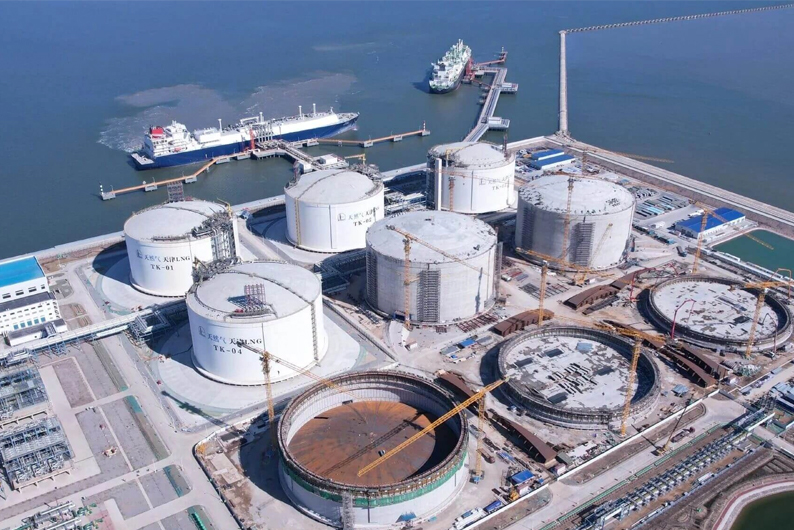
LNG & Cryogenic

Valves deliver proven low-temperature performance, tight sealing, and safe pressure management for cryogenic systems.

VIEW MORE →

Power Generation

Valves control steam and process flows in high-pressure, high-temperature environments for critical units.

VIEW MORE →

Water Treatment & Desalination

Valves provide reliable isolation and flow control in continuous, high-pressure industrial operations.

VIEW MORE →

Hydrogen & New Energy

Valves offer excellent sealing integrity and safety design to prevent leakage under high-pressure conditions.

VIEW MORE →

About Us

SLVCN Logo Icon

Engineered Valve Reliability for Critical Applications

With over 30 years of expertise in forging high-performance ball valves, SLVCN provides reliable, project-ready solutions for critical industrial applications. Our valves are rigorously engineered, tested, and certified to meet the strictest international standards, ensuring zero-leakage and dependable performance in harsh operating environments. Trusted by projects across Europe, the Middle East, and worldwide, we deliver the precision and reliability that demanding industrial systems require.

View More Company Details
30+

Years of Valve Manufacturing Experience

100+

Countries Exported Worldwide

1500+

Global Heavy Industrial Clients Served

10000

State-of-the-Art Factory Production Area

Technical Procurement Guide: Choosing the Right Sanitary & Process Ball Valve

In high-purity sectors, valve design dictates system safety and yield output. Procuring components for biopharmaceutical, food, or chemical applications requires cross-examining manufacturers on body design, sealing materials, and test configurations.

1. Body Design: Three-Piece vs. Sanitary Clamp Configuration

For clean-in-place applications, sanitary clamp (Tri-Clamp) connections are industry standard. Cavity-filled seats are crucial; standard ball valves have internal voids where media can collect, leading to bacterial growth. Cavity fillers made of USP Class VI Teflon (PTFE/TFM) fill these voids, maintaining a smooth, sanitary flow path.

2. Surface Finish (Roughness Average - Ra)

Surface texture must be evaluated. Standard industrial valves are cast or forged with high surface tolerances. True sanitary valves undergo electropolishing to achieve Ra values of < 0.4 μm. Mechanical polishing reduces gross roughness, while electropolishing strips away microscopic iron peaks, leaving a chromium-rich, ultra-smooth layer that resists passivation breakdown.

3. Elastomer Selection and Chemical Resistance

High-purity systems use aggressive SIP cleanings with temperatures reaching 130°C. Seal material must remain stable. TFM 1600 provides lower deformation under load, lower permeability, and a smoother surface than conventional PTFE. Verify all gaskets match FDA 21 CFR 177.1550 and USP Class VI requirements.

Why Choose Us

Quality and testing procedures are applied in accordance with applicable international standards, based on valve type and service conditions.

Designed for Critical Service, Not General Use

Our valves are engineered specifically for high-risk, high-pressure, high-temperature, and cryogenic applications - where failure is not an option.

Decoration Pattern

Project-Oriented Engineering Experience

Over 30 years supporting industrial projects worldwide, we understand real operating conditions, international approval processes, and on-site challenges.

Decoration Pattern

Risk-Controlled Manufacturing & Delivery

Every valve is manufactured under controlled procedures aligned with international standards, ensuring minimal leakage, downtime, and operational risk.

Decoration Pattern

Trusted by Demanding Markets Worldwide

Our valves are supplied to demanding markets across Europe, the Middle East, and global industrial sectors where quality, safety, and compliance are non-negotiable.

Decoration Pattern

Quality Built for Zero-Leakage Performance

Every valve is manufactured and tested under international standards to ensure safety, sealing integrity, and long-term reliability.
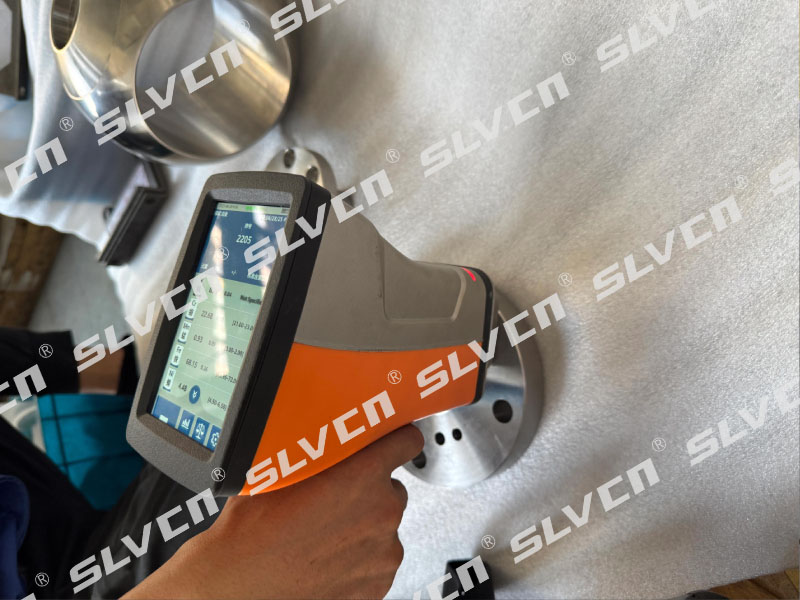
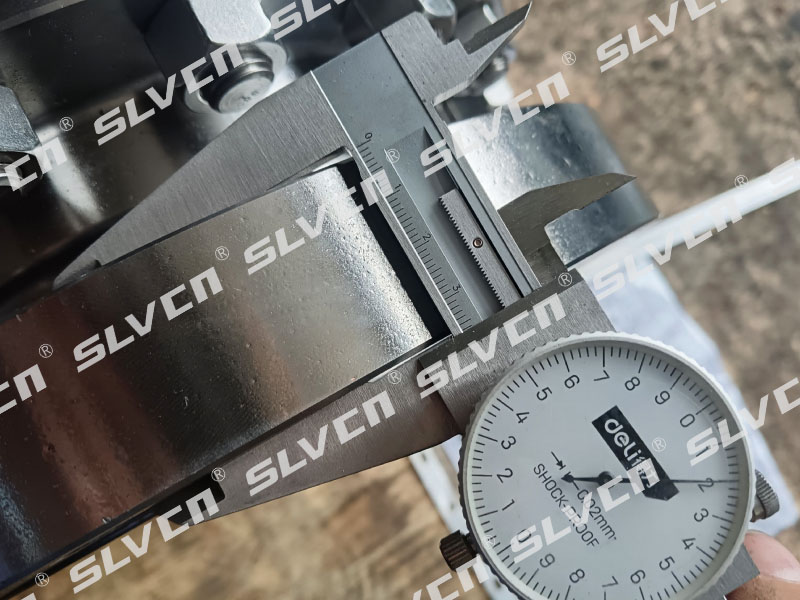
Verified Materials for Pressure Parts

Verified Materials for Pressure Parts

Precision Machining for Tight Tolerances

Precision Machining for Tight Tolerances

Controlled Assembly for Reliable Sealing

Controlled Assembly for Reliable Sealing

Functional & Pressure Testing Before Delivery

Functional & Pressure Testing Before Delivery

Case Studies

Real Field Applications. Verified Reliability.

Waterproofing class application

Hygienic Process Upgrades in Southeast Asia

Waterproofing class application

Ultra-Pure Water Isolation in Semiconductor Cleanroom

Exterior wall paint application

Sanitary CIP Clean Steam Control System

Learn More Case Studies

News Blog

Stay updated with our technical team's insights and factory updates.
Drawer Slides Mechanics blog image
Calendar Icon 2025-12-12

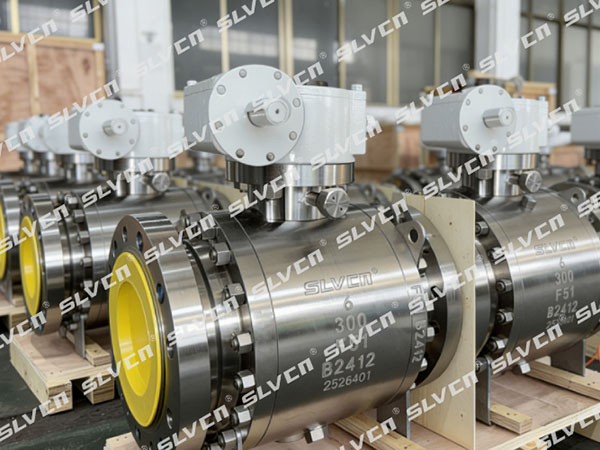
SLVCN Ships High-Performance 6" Class 300 Forged Trunnion-Mounted Ball Valves to Southeast Asia

SLVCN is proud to announce the successful shipment of multiple 6" Class 300 RF forged trunnion-mounted ball valves...
READ MORE →
Valves Isolation Mechanics blog image
Calendar Icon 2025-12-11

Why a DBB Ball Valve is Critical for Safe, Leak-Free Operations

In high-stakes industries where safety and reliability are paramount - such as oil and gas, chemical processing, po...
READ MORE →
Industrial valves manufacturing blog image
Calendar Icon 2025-12-11

SLVCN – Delivering Safe and Reliable Valves for Critical Industrial Applications

With over 30 years of experience, SLVCN designs and manufactures high-performance industrial valves for demanding a...
READ MORE →

Frequently Asked Questions

Detailed engineering and procurement insights to address common inquiries regarding sanitary and high-performance valves.

What criteria define a ball valve as a true "sanitary" valve?
A sanitary ball valve must feature a flow path free of crevices or dead zones where bacteria can collect. Key criteria include a polished surface finish (typically Ra < 0.8 μm, or electropolished < 0.4 μm), cavity-filled seats (usually PTFE or TFM) to eliminate the dead space between the ball and valve body, and end connections (such as Tri-Clamp or orbital weld ends) that align with sanitary standards like ASME BPE or EHEDG. Materials must also be non-contaminating, such as ASTM A182 F316L.
Why is 316L stainless steel preferred for sanitary applications over standard 316?
316L stainless steel has a lower carbon content (maximum 0.03%) compared to standard 316 (maximum 0.08%). This low carbon content prevents sensitization—the precipitation of chromium carbides at grain boundaries during welding—which maintains the steel's corrosion resistance in weld zones. It also prevents "rouge" (rusting) in clean steam and Water for Injection (WFI) systems, which is critical for biopharmceutical and hygienic processes.
How does a cavity-filled seat design prevent fluid contamination?
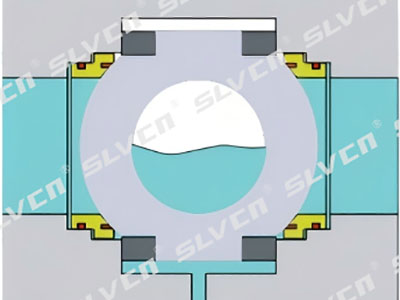
In standard ball valves, there is a physical gap between the ball outer surface and the internal cavity of the valve body. When fluid flows through, media accumulates in this pocket. Over time, static fluid degrades, fostering microbial contamination. A cavity-filled seat design uses modified PTFE gaskets that physically seal this gap, preventing process fluids from entering the body cavity and ensuring CIP/SIP cleaning processes are effective.
What is the difference between mechanical polishing and electropolishing (EP)?
Mechanical polishing uses physical abrasives to wear down surface ridges, reducing roughness. While it decreases the average roughness (Ra), it can leave microscopic scratches and embed abrasives in the metal surface. Electropolishing is an electrochemical process that selectively dissolves surface peaks. This leaves a smooth, microscopic finish and creates a passive layer rich in chromium, maximizing corrosion resistance and preventing bacterial adhesion.
What certifications are essential for sanitary valves in biotech and food sectors?
The standard certifications include ASME BPE (Bioprocess Equipment) compliance, 3-A Sanitary Standards (US), EHEDG (Europe), and FDA compliance for all internal seals and elastomeric parts (FDA CFR 21 177.2600 & 177.1550). Material traceability is also key, requiring EN 10204 3.1 material test certificates for physical and chemical verification.
How does a Double Block and Bleed (DBB) valve work in high-risk setups?
A DBB valve features two independent sealing surfaces (balls) in a single valve body with a bleed or drain port between them. When the valve is closed, both seals isolate the system upstream and downstream. Any media that passes the first seal is captured in the cavity and drained through the bleed valve, preventing cross-contamination and allowing safe maintenance downstream without depressurizing the entire line.
Can sanitary ball valves be automated with actuators?
Yes. Modern sanitary ball valves feature an ISO 5211 direct mounting pad. This interface allows for direct installation of pneumatic actuators (spring-return or double-acting) or electric actuators without brackets. Positioners, solenoid valves, and limit switches can be integrated to support automated cleanroom processes.
What testing protocols do factories perform before delivery?
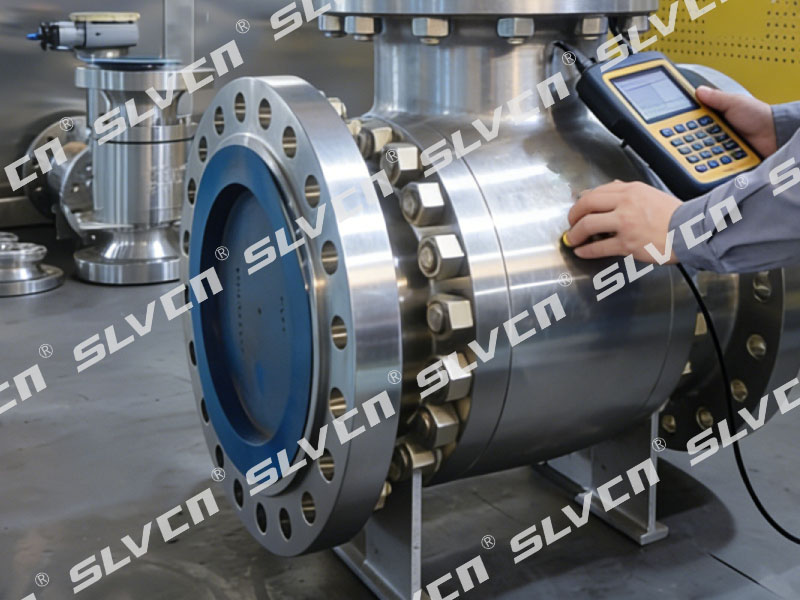
For critical and sanitary valves, factories perform hydrostatic shell tests, high-pressure gas/air seat tests, and low-pressure pneumatic seat testing in accordance with API 598 or EN 12266-1. For high-purity applications, helium leak testing (MSS SP-150) and surface roughness verification using calibrated profilometers are conducted to guarantee zero leakage and compliance with specified Ra limits.