Advanced valves and high-integrity pipeline elements customized for natural gas, cryogenic, and petrochemical environments.
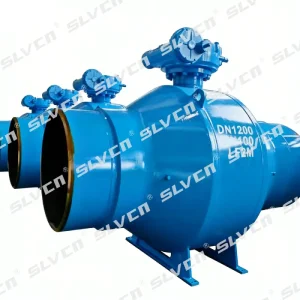
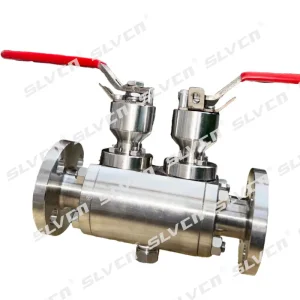
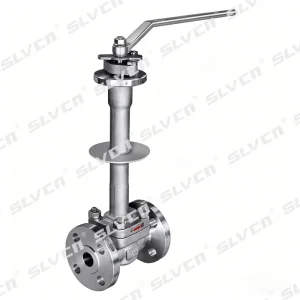
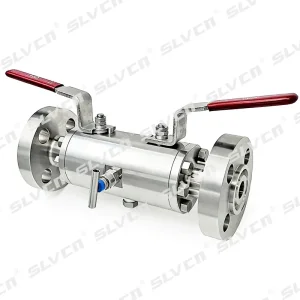
Deep dive into modern metallurgy requirements, pressure constraints, and fluid network reliability paradigms.
In modern industrial process engineering, the selection of piping connections and flow-control infrastructure is no longer merely a procurement exercise. It has become a key factor in operational safety, environmental containment, and process optimization. High-quality stainless steel fittings and integrated valves serve as the critical nodes in networks routing volatile chemicals, high-pressure natural gas, hydrogen fuels, and cryogenic liquids. As global industries push toward higher operating temperatures and elevated pressures, the threshold for component failure has dropped to zero.
The transition from cast components to heavy-duty forged materials represents a major paradigm shift. Forged steel fittings, designed under standards such as ASME B16.11, MSS-SP-75, and EN 10204, offer superior grain alignment, eliminating internal voids and micro-porosities common in lower-grade castings. This metallurgical superiority ensures reliable performance during thermal cycling and high vibrational stress, which are typical in offshore drilling platforms and petrochemical cracking units.
At the same time, the global shift toward decarbonization has accelerated the demand for ultra-low emission, double block and bleed (DBB) systems, and high-performance stainless steel fittings. Systems must be engineered to resist hydrogen embrittlement and withstand severe corrosive media. The following table provides a comparison of mainstream stainless steel and high-alloy formulations utilized in heavy industrial flow control systems today:
| Material Class | Common Standard | Key Alloying Elements | Primary Industrial Application | Corrosion/Mechanical Strength Highlights |
|---|---|---|---|---|
| Austenitic Stainless Steel | ASTM A182 F316L / 1.4404 | 16-18% Cr, 10-14% Ni, 2-3% Mo | Chemical transfer, general marine, clean-water utilities | Excellent ductility, weldability, and resistance to chloride pitting |
| Super Duplex Steel | ASTM A182 F55 / UNS S32760 | 24-26% Cr, 6-8% Ni, 3-4% Mo, N | Deepsea offshore oil, high-saline desalination units | Dual-phase matrix yields high yield strength and high PREN (>40) |
| Austenitic High-Nickel Alloy | Hastelloy C276 / UNS N10276 | 15-17% Cr, 50-60% Ni, 15-17% Mo | Sour gas production, sulfuric acid processing | Superior resistance to stress corrosion cracking and reducing acids |
| Forged Carbon Steel | ASTM A105N | Carbon steel with normalized heat treatment | High-pressure steam pipelines, general oil & gas lines | High tensile strength and excellent mechanical longevity in non-corrosive media |
How technical integration, raw material localization, and intelligent manufacturing drive structural cost and quality advantages.
Our plants are located next to major steel producers, providing direct access to normalized ingot stock and high-grade stainless bars. This integration reduces transportation delays and enables quick, batch-specific spectral verification.
We use multi-axis CNC machines and automated forging presses. This setup maintains precise dimension tolerances within +/- 0.05mm and delivers consistent threading profiles across large production runs.
Quality control is integrated throughout our manufacturing. Every batch undergoes ultrasonic inspection, dye penetrant testing, PMIs, and hydrostatic shell testing. This ensures zero defects before shipping.
How custom engineering adapts to different environmental constraints and regional safety codes.
Our fittings are engineered to meet ASTM A105N and ASME B16.11 standards, making them suitable for high-vibration Permian Basin gathering lines. These configurations are built to handle sour gas environments and resist sulfide stress cracking in line with NACE MR0175 specifications.
To support European clean energy initiatives, we provide ultra-low emission, fugitive emission certified valves and connections. Tested to ISO 15848-1 standards, these fittings feature leak-tight sealing, preventing hydrogen gas leaks at high pressures.
For seawater applications in Gulf installations, we offer fittings in Super Duplex F53 and F55. The high Pitting Resistance Equivalent Number (PREN > 40) ensures reliable resistance to crevice corrosion in warm, high-saline coastal waters.
Upcoming developments in metallurgy, smart monitoring, and advanced industrial coatings.
In response to changing regulatory requirements and industrial demands, our engineering department has established a technical development roadmap for the next five years. We are focusing on three main areas: material innovation, smart sensor integration, and cleaner manufacturing processes.
First, we are refining our manufacturing processes to develop ultra-low temperature cryogenic fittings that retain mechanical impact resistance down to -254°C (the storage temperature of liquid hydrogen). This requires precise balance of nickel and manganese elements in the raw stainless steel chemistry. Additionally, we are exploring physical vapor deposition (PVD) and advanced cladding techniques to increase the surface hardness of thread zones, eliminating thread galling during repetitive installation cycles.
Second, we are researching smart piping connections. By integrating micro-electronic strain gauges and IoT transmitters into fitting bodies, we aim to offer real-time monitoring of pressure, temperature, and material strain. This will enable operators of remote offshore platforms and gas pipelines to predict failures and plan maintenance, reducing unplanned downtime.
Finally, we are committed to reducing the carbon footprint of our forging operations. Through waste-heat recovery systems and electric induction heating, our factories are working to lower scope 1 and scope 2 emissions, helping clients achieve their ESG supply chain targets.
Meeting regional certification requirements to ensure reliable operation and compliance in critical facilities.
Our manufacturing facilities are fully compliant with PED 2014/68/EU guidelines. This certification is required for pressure retaining elements operating in chemical and process plants throughout Europe.
We assist Canadian partners by providing detailed engineering drawings, burst calculations, and material test reports (MTRs) to secure provincial registrations across Canada.
Our valve designs are qualified to API 6D and fire-tested to API 607 and API 6FA. They are also certified under ISO 15848-1, meeting the environmental standards required by international oil majors.
Answers to common questions regarding engineering specifications, testing standards, and material selection.
Forged fittings (such as ASTM A182 or A105N) are manufactured by heating ingot stock and hammering or pressing it into shape, which refines the metal's grain structure. This process eliminates internal voids, cracks, and gas pockets, yielding high structural integrity and pressure resistance. Cast fittings, on the other hand, are made by pouring molten metal into a mold. While casting allows for complex external geometries, it can lead to micro-porosities, making cast components more prone to stress corrosion cracking and mechanical failure under pressure fluctuations.
316L stainless steel has a lower carbon limit (maximum 0.03%) compared to standard 316 (maximum 0.08%). During welding, high temperatures can cause carbon to react with chromium, forming chromium carbides along the grain boundaries—a process known as sensitization. This depletes the chromium near the welds, reducing the steel's corrosion resistance. By using 316L, carbon precipitation is minimized, which helps maintain the material's corrosion resistance in the heat-affected zones of welded joints.
Fire-safety is evaluated under standards such as API 607 or API 6FA. The valve is exposed to a direct flame at temperatures between 750°C and 1000°C for 30 minutes. During this period, the internal soft seals (such as PTFE or Devlon) typically disintegrate. The valve's primary metal-to-metal backup seals must then control internal and external leakage. The volume of allowable fluid bypass is measured under pressure to verify that the valve can isolate the system and prevent fueling a fire.
Every fitting and valve body is marked with a unique Heat Number. This code links back to the original ladle analysis and steel mill test certificates. In addition, we conduct our own Positive Material Identification (PMI) testing on all incoming materials. MTR reports (Material Test Reports) conforming to EN 10204 3.1 are provided with shipments, ensuring full chemical and physical traceability for your project documentation.
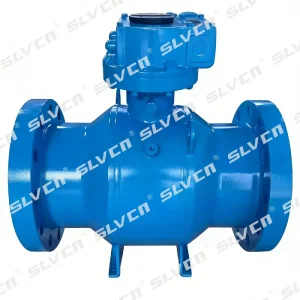
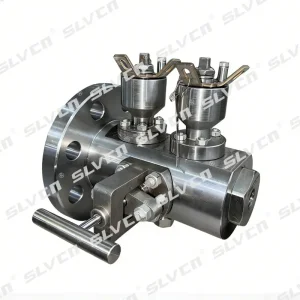
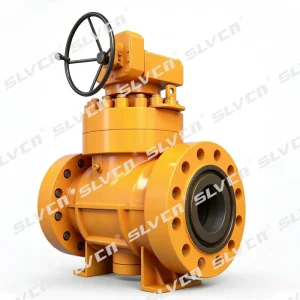
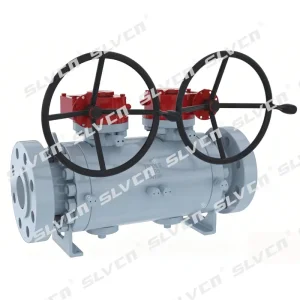
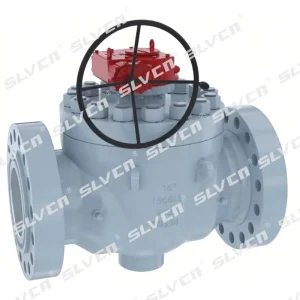
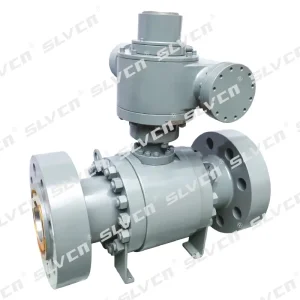
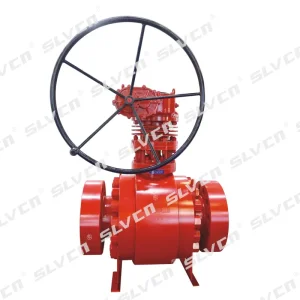
Engineered for high-pressure isolation, underground installation, and precise automated control.
 Shoulong Valve