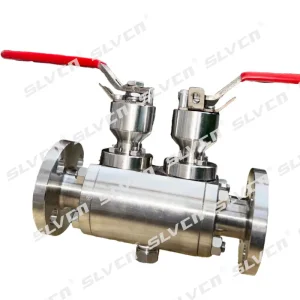
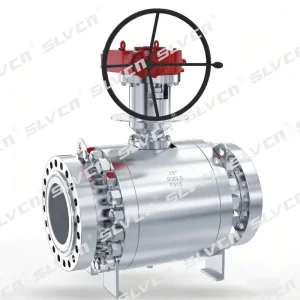
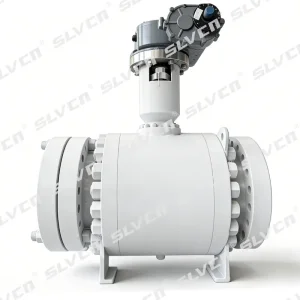
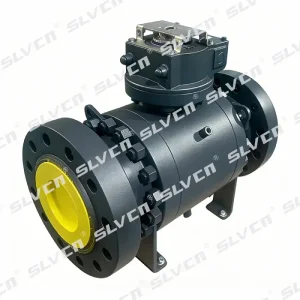
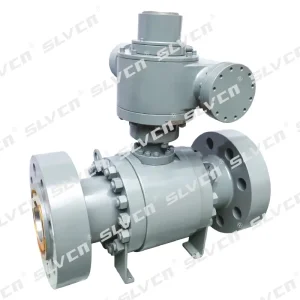
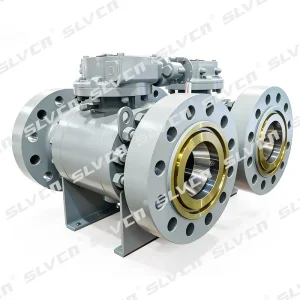
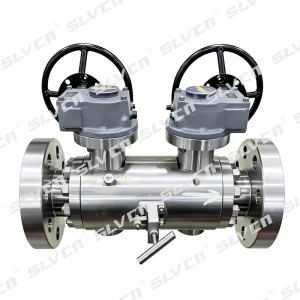
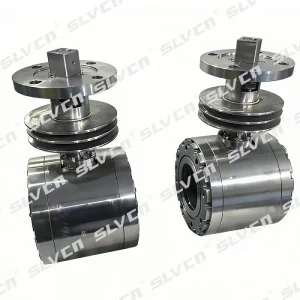
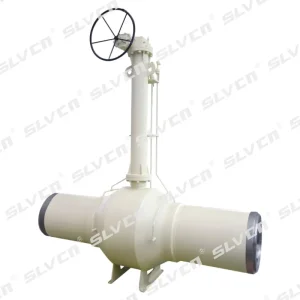
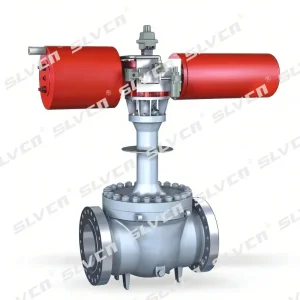
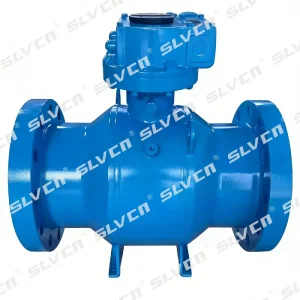
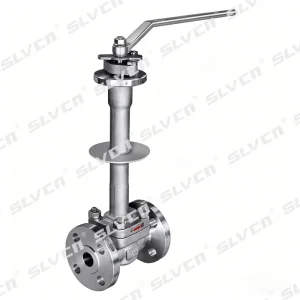
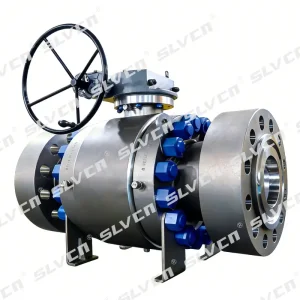
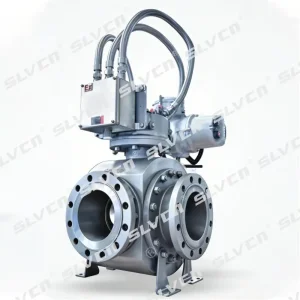
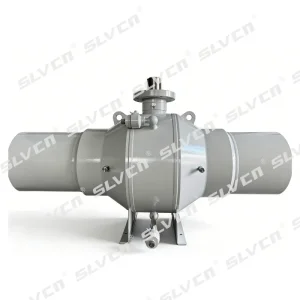
In the landscape of modern industrial automation, the V-port segment ball valve (often referred to as a V-ball valve) has emerged as the definitive solution for precise throttling and control. As global demand for high-performance control valves surges, China V-port ball valve manufacturers and suppliers have transitioned from basic fabrication to high-end engineering hubs. This evolution is driven by the integration of advanced CNC machining, aerospace-grade material science, and rigorous compliance with international standards such as API 6D, ASME B16.34, and ISO 5211.
Procurement heads for Fortune 500 energy companies and EPC contractors are increasingly looking toward Tier-1 Chinese suppliers. The reason goes beyond cost-efficiency; it is about Supply Chain Resilience and Customization Capacity. Chinese manufacturers now offer:
Years Engineering Expertise
Countries Exported
Global Projects Served
Advanced Production Base
The future of V-port ball valves lies in "Intelligence and Durability." As we look toward 2030, the technical roadmap for leading suppliers focuses on three core pillars:
To handle abrasive slurries in mining and pulp industries, manufacturers are adopting HVOF (High-Velocity Oxygen Fuel) tungsten carbide and chrome carbide coatings. These coatings provide a surface hardness exceeding HRC 70, drastically extending the service life compared to traditional stellite overlays.
With global ESG mandates, sealing technology has shifted towards Low-E (Low Emission) packing sets. Modern V-port valves are now designed to meet ISO 15848-1 Class AH standards, ensuring that even under high-cycle control operations, leakage to the atmosphere remains negligible.
Integrated sensors now monitor torque signatures and seat wear in real-time. By leveraging IoT gateways, a V-port valve becomes a data point in the plant's predictive maintenance ecosystem, alerting operators before a failure occurs.
Precise pressure regulation in gas pipelines and storage facilities. Our DBB structures ensure zero-leakage safety during maintenance.
Handling corrosive media with high-frequency cycling. V-port valves provide the shearing action necessary for viscous polymers.
F316/F316L forged bodies with extended stems for stable operation at -196°C. Verified by cryogenic testing facilities.

With over 30 years of expertise in forging high-performance ball valves, SLVCN provides reliable, project-ready solutions for critical industrial applications. Our valves are rigorously engineered, tested, and certified to meet the strictest international standards, ensuring zero-leakage and dependable performance in harsh operating environments.
Trusted by projects across Europe, the Middle East, and worldwide, we deliver the precision and reliability that demanding industrial systems require. Every valve undergoes functional and pressure testing before delivery to ensure field-ready performance.
Standard ball valves are primarily used for on/off isolation. A V-port ball valve features a "V" shaped notch that allows for precise throttling and flow control. The V-shape also provides a shearing action, making it ideal for media with fibers or solids (like pulp or slurry).
Yes, especially when designed with a trunnion-mounted structure. Our high-pressure metal-seated designs can handle Class 900, 1500, and 2500 ratings while maintaining tight shut-off and precise control.
A 30° notch provides the finest control at low flow rates. A 60° notch is the most versatile for general control applications. A 90° notch allows for higher flow capacity (Cv) while still providing better control than a standard full-bore valve.
A reliable supplier must hold ISO 9001 for quality management, API 6D for pipeline valves, CE/PED for the European market, and API 607 for fire-safe certification. SIL 3 certification is also critical for Safety Instrumented Systems.
 Shoulong Valve