Tailored flow control configurations designed to support high-integrity processing systems in Roseau, Portsmouth, and Dominica's local waters.
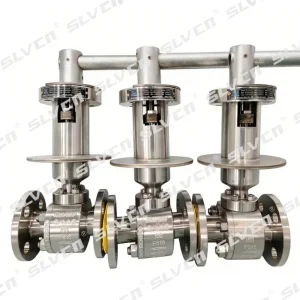
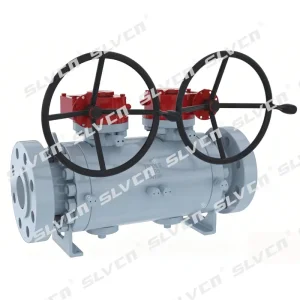
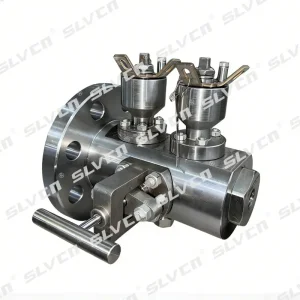
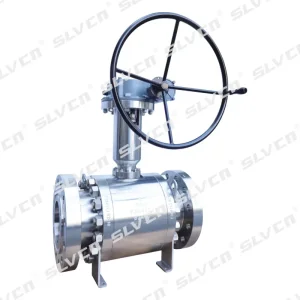
The Commonwealth of Dominica is undergoing a significant energy paradigm shift. Recognized for its commitment to environmental sustainability, Dominica is aggressively developing its geothermal power generation projects in the Roseau Valley, aiming to transform the island into a net exporter of clean energy while decarbonizing its domestic grid. This shift requires infrastructure capable of managing intense pressure variances, high temperatures, and sub-zero or liquefied gases.
Concurrently, the regional trade expansion dictates modernizing marine bunkering at major port terminals and upgrading industrial gas distribution systems (e.g., high-purity medical oxygen, nitrogen, and carbon dioxide). Standard pipeline fittings cannot handle the extreme thermal stresses of such advanced applications. This is where high-integrity cryogenic ball valves become vital components, ensuring leak-free isolation in working fluids down to -196°C.
In the delicate ecosystem of Dominica, zero tolerance is given to toxic leakage. Our cryogenic ball valves utilize advanced multi-layered bellows and live-loaded packing configurations to meet and exceed global clean-air requirements.
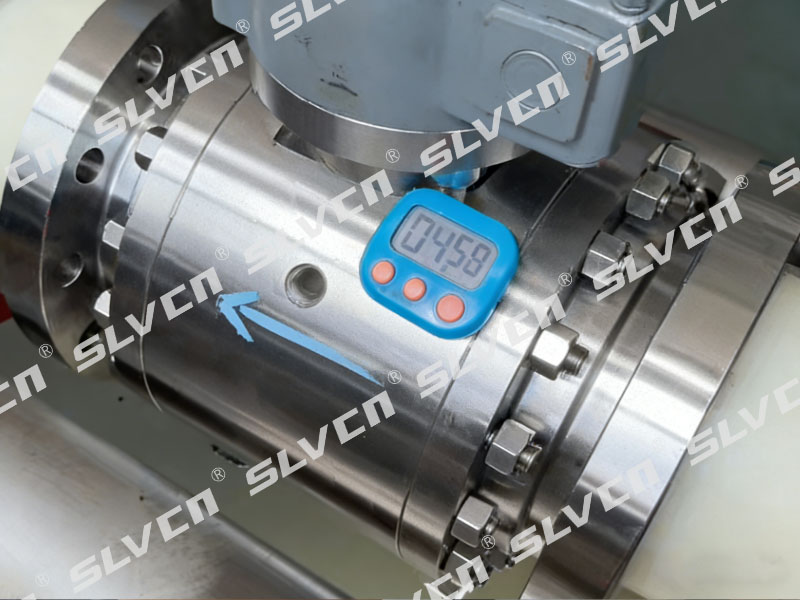
Every cryogenic valve is subjected to liquid nitrogen immersion testing at -196°C to verify seat leak rates, torque characteristics, and structural integrity before dispatch to the Caribbean.
An in-depth look at the safety-critical design features of SLVCN’s cryogenic isolation valves serving the Dominica market.
Compliant with BS 6364 standards, the extended bonnet establishes a gas column buffer that keeps the stem packing away from the cryogenic process fluid. This maintains the packing gland temperature near ambient, preventing freezing, packing contraction, and catastrophic media escape.
When liquid gases (like LNG or LN2) are trapped in the valve body cavity, a slight temperature increase causes flash vaporization, resulting in extreme pressure spikes. Our valves integrate a localized automatic pressure-relief system, venting overpressure safely upstream.
We use premium ASTM A351 CF8M/CF8 and A182 F316/F316L. Prior to final machining, all structural components undergo a cryogenic treatment soak at -196°C to convert residual austenite into martensite, ensuring ultimate dimensional stability under thermal shock.
| Feature | Standard Specification | Dominica Application Advantage |
|---|---|---|
| Design Standard | API 6D, ASME B16.34, BS 6364 | Universal industrial compatibility and safety compliance |
| Temperature Range | -196°C to +200°C | Handles cryogenic liquefied gases up to thermal steam processes |
| Seat Material | TFM 1600, PCTFE, Kel-F, or Metal-to-Metal (Stellite Clad) | Maintains low torque and zero leakage during thermal cycles |
| Stem Sealing | Live-loaded V-ring PTFE / graphite packing | Maintains compression even during rapid startup contractions |
| Fugitive Emissions | ISO 15848-1 Class A / API 622 / API 641 | Ensures no toxic carbon or volatile gas escape into the environment |
Providing technical solutions customized to Dominica's unique commercial landscape, maritime routes, and infrastructure upgrades.
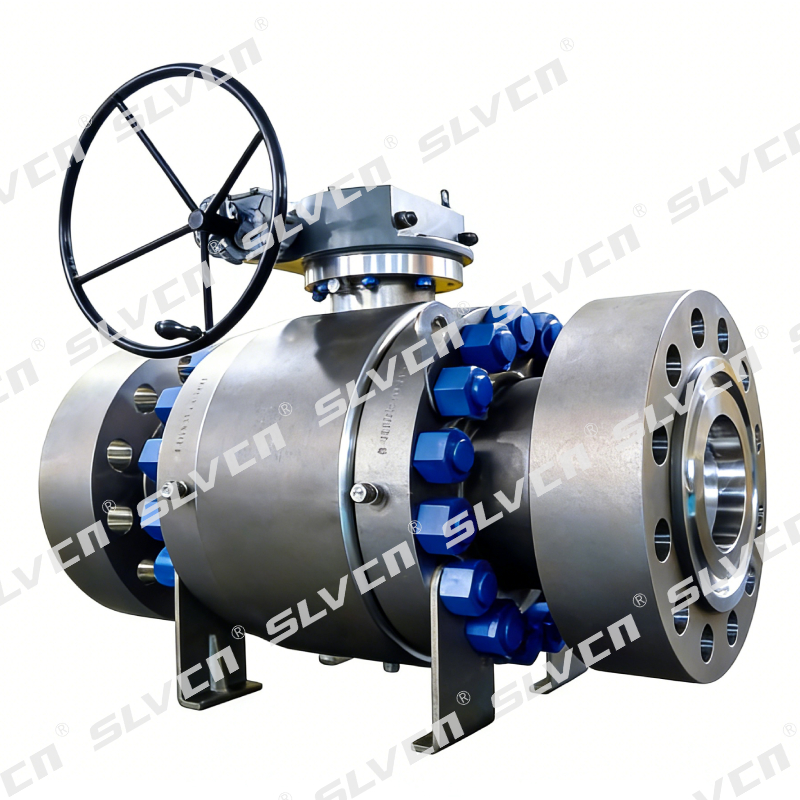
Dominica's geothermal energy potential is one of the highest in the Caribbean. Binary cycle geothermal power plants utilize secondary working organic fluids (like isopentane) that require high-precision piping control. Our DBB (Double Block and Bleed) cryogenic valves isolate condensation lines safely during maintenance, keeping the power grid online without pressure drop risks.
As maritime trade lines demand cleaner fuels, Dominica is positioned to adapt its maritime bunkering terminals. Clean gases stored in liquid form require robust cryogenic piping setups. Our valves, fitted with heavy-duty pneumatic and electric actuators, provide emergency shut-off capabilities directly on the loading docks and marine vessels.
Providing robust flow isolation components that satisfy Dominica's technical buyers, utility developers, and engineers.
Global logistics can present complex hurdles for Caribbean industries. At SLVCN, we leverage an integrated supply chain model located in China's manufacturing heartland. By managing everything from forged raw material stock to automated machining and testing rigs, we bypass bottlenecks that often delay European and American suppliers.
For projects in Dominica, we provide complete transparency: material test reports (MTRs), third-party inspections (SGS, TUV, Lloyd's Register), and optimized freight shipping routes directly to the Port of Roseau. Our deep stock of raw materials guarantees that customized cryogenic valves are produced, certified, and shipped on schedule.
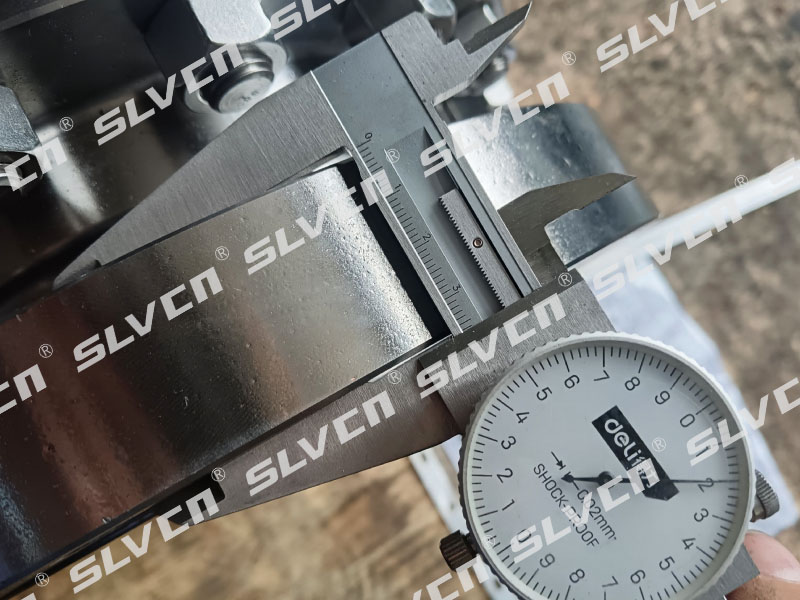
Browse our selection of fully welded, high-pressure, and cryogenic valves tailored to meet strict regulatory and operating standards.
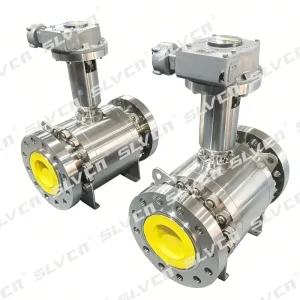
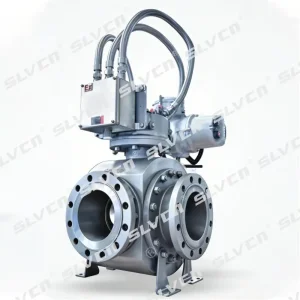
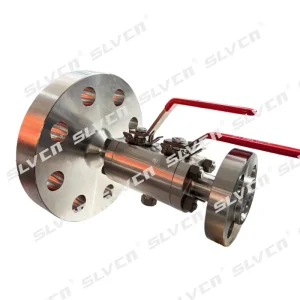
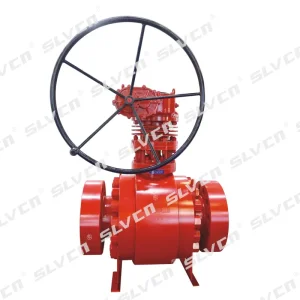
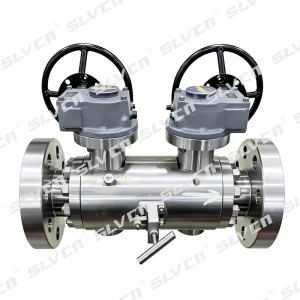
At SLVCN, we perform advanced in-house testing to verify valve functionality under real operational simulated extremes.
Prior to testing, valves undergo precision degreasing to prevent oxygen reaction risks. The valve is lowered into a cryo-tank filled with liquid nitrogen (-196°C). After temperature stabilization is verified via thermocouples, helium gas is used to test leakage rates across the body seats, maintaining standards well below the allowable limits of BS 6364.
Every casting is subject to rigorous Non-Destructive Testing (NDT) to prevent failures under pressure. This includes:
Clear, actionable answers addressing engineering specs, material selection, and logistics for Dominica projects.
Get in touch with our engineering team to receive a detailed quote, CAD drawings, or material datasheets customized for your project in Dominica.
Send Inquiry Now Shoulong Valve