Pre-engineered flow control options configured specifically for local temperatures, pressures, and environmental constraints in Southwestern Africa.
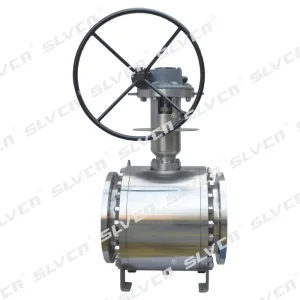
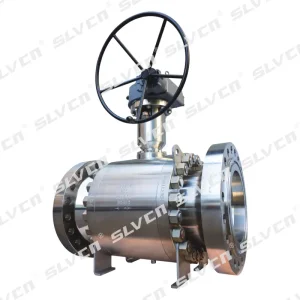
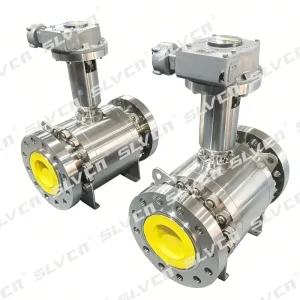
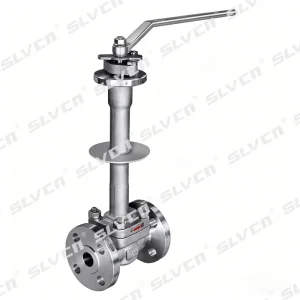
Namibia is rapidly positioning itself as a central hub for African industrial diversification, highlighted by the massive green hydrogen projects in the Tsau //Khaeb National Park and deepwater offshore hydrocarbon discoveries in the Orange Basin. These applications demand specialized flow isolation equipment capable of operating at extreme, sub-zero limits. When handling liquefied gases such as LNG (-162°C) or liquid nitrogen (-196°C) for industrial separation, standard valves fail because of thermal contraction, material embrittlement, and seat degradation.
The global shift toward low-carbon fuels demands extreme temperature performance. In green hydrogen systems, liquid state handling requires temperature management near absolute zero. To control these flows safely, designers rely on double block and bleed (DBB) systems, fire-safe compliance, and low fugitive emissions. As a key supplier serving Namibia, SLVCN designs and manufactures valves that meet these exact requirements, preventing leakage and ensuring operational reliability.
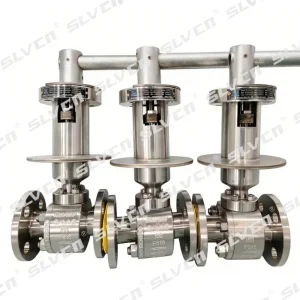
From the salty winds of the Port of Walvis Bay to the remote, dust-heavy inland mines near Windhoek, valves face severe external wear alongside extreme internal temperatures. Our range of cryogenic forged trunnion ball valves utilizes marine-grade stainless steels and specialized nickel alloys. The inclusion of nitrogen-injected testing processes ensures that our hardware retains its physical strength and sealing capabilities under the most challenging environmental conditions.
Selecting the right materials prevents brittle fracturing and seal failure in cryogenic service. The table below lists standard material selections for these conditions.
| Material Designation | Common Body Castings/Forgings | Temperature Range | Namibian Application Scenario | Sealing Type |
|---|---|---|---|---|
| Low Temp Carbon Steel | ASTM A352 LCB / LCC / LF2 | -46°C to 345°C | Inland gas pipelines & liquid CO2 extraction | Soft Seat (Devlon / PCTFE) | Austenitic Stainless Steel | ASTM A351 CF8M / CF3M / F316L | -196°C to 538°C | Coastal LNG terminals, Green Hydrogen hubs | Metal Seated with Stellite Overlay |
| Duplex & Super Duplex | ASTM A890 4A / 5A / F51 / F53 | -50°C to 280°C | Offshore platform seawater injection and gas lines | Reinforced PTFE / PEEK |
| Nickel Alloys (Hastelloy/Inconel) | Inconel 625 / Monel K500 | -196°C to 600°C | Acidic leaching circuits and hydrogen processing | Metal-to-Metal Tungsten Carbide coated |
Note: The extended bonnet length conforms strictly to BS 6364 or ISO 28921 standards based on project specifications. Extended bonnets prevent freezing of the gland area and ensure packing performance under thermal cycles.
Our cryogenic and high-pressure trunnion valves are designed to meet the rigorous demands of industrial operations across Namibia.
Securing offshore LNG pipelines and storage infrastructure in Lüderitz and Walvis Bay. We supply Class 150 to Class 2500 valves designed for liquid methane handling.
Supporting clean energy projects with valves that withstand high-pressure hydrogen service, preventing hydrogen embrittlement and leakage.
Controlling low-temperature liquid oxygen (LOX) and liquid nitrogen (LIN) loops within metallurgy and acid extraction operations across the Erongo region.
For over 30 years, SLVCN has manufactured high-performance industrial valves for challenging applications worldwide. Our products are engineered and tested to international standards to ensure zero leakage and long-term reliability.
We maintain a complete quality management system covering every step from forging to final testing. This commitment to quality has established SLVCN as a trusted supplier for projects across Europe, the Middle East, and growing industrial markets like Namibia.
At SLVCN, we perform comprehensive quality inspections to verify valve performance in severe environments.
We verify material composition from structural forgings to internal components. EN 10204 3.1 certification is provided for all pressure-containing parts.
Valves undergo cryogenic validation testing down to -196°C in liquid nitrogen tanks, checking body integrity, operating torque, and seat sealing under low-temperature conditions.
Our valve designs are certified to ISO 15848-1 standards, ensuring minimal greenhouse gas emissions and tight packing seals under pressure cycles.
Fully qualified and certified to API 607 and API 6FA standards to prevent secondary leakage during emergency fire events.
SLVCN supplied Class 300 cryogenic floating ball valves with extended bonnets to a major mining operation in the Erongo region, facilitating the separation of liquid nitrogen for processing loops.
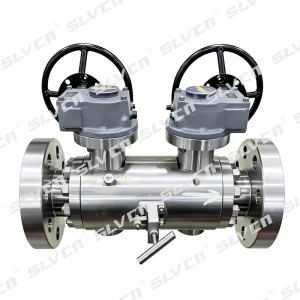
Manufactured and tested severe-service DBB valves for gas isolation loops, verifying operational tightness down to low temperature boundaries.
We provide comprehensive logistics and support services to ensure timely delivery and installation of our valves in Namibia:
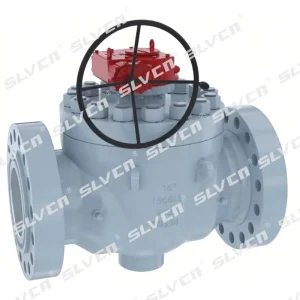
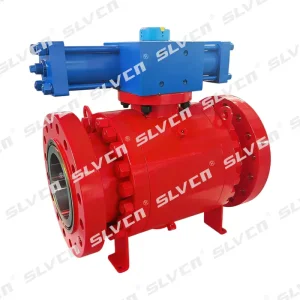
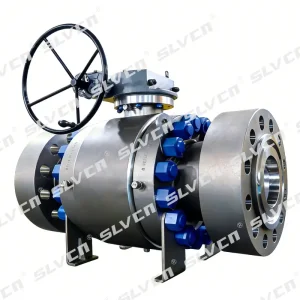
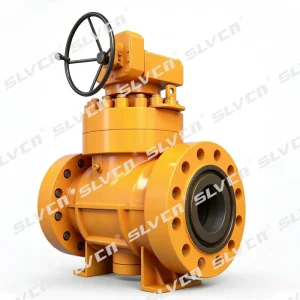
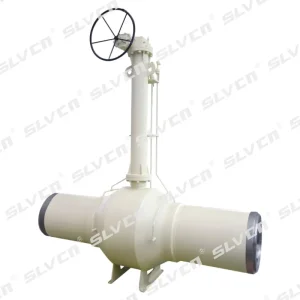
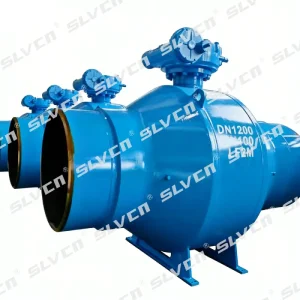
Browse our selection of cryogenic, high-pressure, and DBB ball valves for oil and gas, chemical, and mining applications in Namibia.
Developing valve solutions for next-generation clean energy systems:
As Namibia expands its industrial operations, equipment must be designed to withstand severe process conditions. SLVCN's technical development focus is on building high-performance valves for demanding environments. We are continuously testing new sealing materials and surface treatments to improve performance in extreme temperatures and abrasive media.
Our engineering team works directly with project designers to analyze process parameters and recommend optimized valve configurations. By matching valve designs to specific flow media, pressure cycles, and temperature profiles, we help projects achieve reliable, long-term operation.
Find answers to common questions about selecting and using cryogenic valves for industrial applications.
An extended bonnet positions the stem packing away from the cryogenic process liquid. This creates a cavity where liquid can vaporize into gas, forming a thermal barrier that protects the packing seal from freezing and maintaining seal integrity.
Our cryogenic valves are designed and tested to international standards including BS 6364, ISO 28921, and API 6D. Standard testing includes shell and seat leakage verification at low temperature using helium or nitrogen gas.
Valves are cleaned, dried, and sealed in vapor-barrier packaging with desiccant packs before being crated in wooden boxes. This protects the valves from saltwater exposure during transport to ports such as Walvis Bay.
Yes. For abrasive slurry applications, we offer metal-seated trunnion ball valves with hard-facing treatments such as tungsten carbide (TCC) or chromium carbide coatings to improve wear resistance and service life.
 Shoulong Valve