Engineered for high pressure ratings, zero-leakage pipeline isolation, and corrosive coastal marine environments.
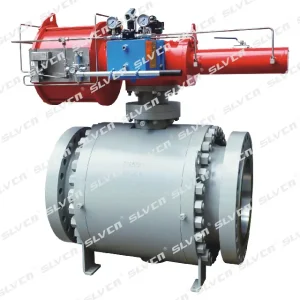
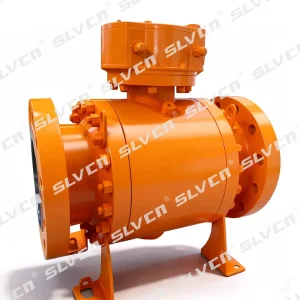
The Union of the Comoros, an archipelago consisting of Grande Comore (Ngazidja), Anjouan (Ndzuwani), and Mohéli (Mwali), sits strategically in the northern Mozambique Channel of East Africa. Historically dependent on agriculture, the nation is systematically modernizing its maritime trade links, energy structures, and coastal transport systems. Flow control equipment, specifically high-durability forged steel ball valves, represents a critical component required to safeguard fuel logistics, port facilities, desalination systems, and future regional gas storage developments.
Maritime import routes through the major deepwater ports of Moroni and Mutsamudu are the lifelines of the Comorian economy. Because the country imports 100% of its refined petroleum and liquid fuels, storage terminals must rely on leak-free shutoff systems that prevent environmental disaster in pristine marine environments. In these high-stakes coastal operations, general cast iron or cast steel valves are highly vulnerable to marine atmospheric corrosion and mechanical fatigue. This has prompted major regional engineering authorities in Moroni to switch to premium forged steel ball valves that offer dense grain structures, low porosity, and exceptional mechanical resistance under extreme environmental stress.
Additionally, with new offshore energy exploration developments taking place across the East African coastline, and regional plans to improve municipal water systems using high-pressure desalination, the demand for certified API 6D trunnion and floating forged steel valves has risen. Selecting direct factory-level engineering expertise ensures that Comoros' utility operators can procure high-reliability industrial products that conform to ASME B16.34 and international API guidelines.
Industrial piping networks in Moroni and other coastal cities in Comoros operate under constant exposure to high humidity, high ambient heat, and salt-laden marine air. Standard structural materials erode quickly in these conditions. This demands a proactive technical approach to material selection and surface protection when sourcing forged steel ball valves:
Years Valve Manufacturing
API 598 Pressure Tested
Marine Paint Coating
Fugitive Emissions Leakage
For procurement officers in Comoros, distinguishing between cast and forged steel is a fundamental safety criteria. Standard cast valves (such as WCB or CF8M) are produced by pouring molten metal into molds. This casting process is susceptible to microscopic internal defects, including gas pockets, shrinkage voids, sand inclusions, and dendritic segregation. Under the sudden thermal shock or cyclic pressure hammer typical of liquid fuel pipeline operations, these structural flaws can propagate into catastrophic pinhole leaks.
Conversely, forged steel ball valves are manufactured by applying massive directional compressive forces to solid steel billets (using multi-ton hydraulic forging presses and precise die molds). This processes refines the internal grain structure of the steel, aligning it to follow the physical geometry of the valve body. The resulting pressure boundary is characterized by highly uniform density, superior structural toughness, and outstanding yield strength. Because the structural integrity is maximized at the molecular level, forged valves can feature thinner walls and lighter overall footprints while easily handling double the pressure ratings of equivalent cast alternatives.
Full conformance to rigorous American Petroleum Institute design codes, ensuring maximum wall thickness, reliable stem retention, and certified block-and-bleed capabilities.
Equipped with primary resilient seals and secondary graphite metal-to-metal seating boundaries certified under API 607/API 6FA to prevent fuel leaks during major fires.
Precision-ground stems paired with low-emission graphite or PTFE packing elements, meeting ISO 15848-1 Class A standards to safeguard the environment.
For industrial developers in Comoros, purchasing directly from leading Chinese valve factories represents a major structural advantage. The manufacturing ecosystems in China have advanced from simple casting foundries to world-class automated forging, machining, and testing centers. By sourcing directly, Comoros enterprises gain access to advanced manufacturing capabilities at a highly competitive total cost of ownership (TCO).
Modern Chinese valve operations maintain rigorous quality management frameworks certified to ISO 9001, API 6D, CE/PED, and SIL 3 safety standards. With highly automated CNC machining centers, fully automated robotic welding for cladding, and computerized hydrostatic testing bays, these facilities guarantee absolute batch-to-batch repeatability and dimensional accuracy. Direct container shipping from major Chinese maritime ports (such as Shanghai, Ningbo, and Shenzhen) provides straightforward logistics to the ports of Moroni and Mutsamudu, optimizing construction schedules and minimizing system downtime.
In municipal fuel depots and fuel-carrying vessels serving the Comoros archipelago, safety and system isolation are non-negotiable. Traditional piping configurations required two distinct isolation valves with a spool piece and drain valve between them to create a safe work zone. This bulky multi-valve setup is expensive, heavy, and creates numerous potential leak paths at the flange connections.
Integrating integrated **Double Block and Bleed (DBB) Forged Steel Ball Valves** solves these mechanical risks. A single DBB valve contains two independent sealing spheres inside a single forged body, coupled with a central bleed needle or drain port. When closed, it blocks pressure from both ends of the pipeline simultaneously. Opening the central bleed valve lets operators drain the inner cavity and visually verify seal integrity before starting maintenance work downstream. This saves up to 60% in installation space and weight—which is extremely beneficial for offshore supply vessels, port docks, and compact skid-mounted fuel processing packages.
Need precise dimensional drawings, wall thickness calculations, or API test certificates for your next pipeline project in Moroni or Mutsamudu?
Get Direct Manufacturer Support NowTo help regional design engineers choose the right equipment, the following profiles outline the key technical configurations used across Comoros' infrastructure:
Heavy-duty Class 300 & Class 600 forged carbon steel A105N or low-temp LF2 DBB valves ensure absolute isolation for refined diesel, heavy fuel oils, and maritime gasoline imports.
View DBB Specifications →Severe service metal-seated forged valves designed to withstand high temperatures (up to 550°C) and corrosive volcanic steam in geothermal power exploration projects.
View High-Temp Valves →Super Duplex F53 and F55 forged ball valves resist severe chloride pitting in high-pressure reverse osmosis (RO) desalination plants, providing reliable clean water.
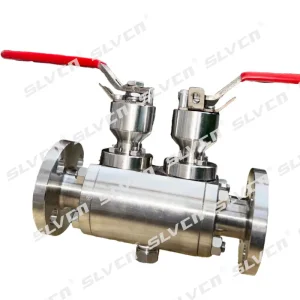
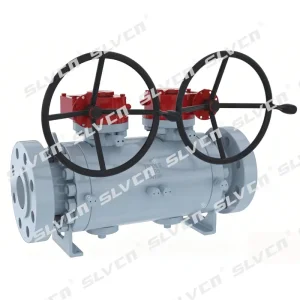
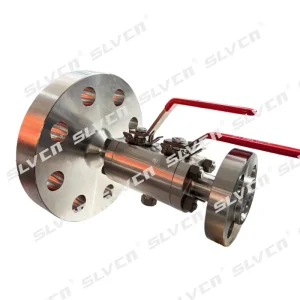
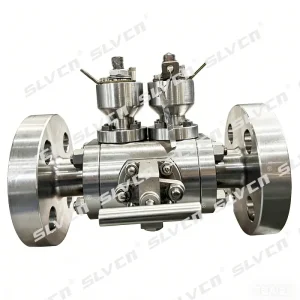
View Duplex Specifications →Meticulously engineered, ultra-low temperature cryogenic, high pressure, and double manual handle twin-ball systems.
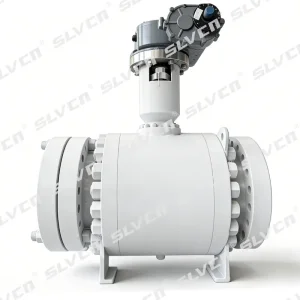
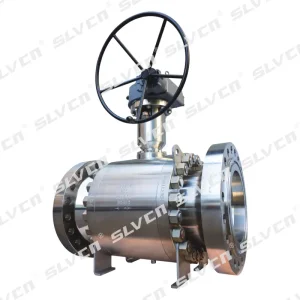
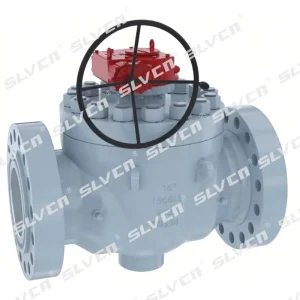
China Class 300 Trunnion-mounted Forged Steel Ball Valve Supplier, Factories
High-Quality Class 2500 / 6000 PSI Forged DBB Trunnion-Mounted Ball Valve Manufacturer, Factory
China 300LB Forged DBB Trunnion-Mounted Ball Valve for Gas Pipeline Manufacturers, Factories
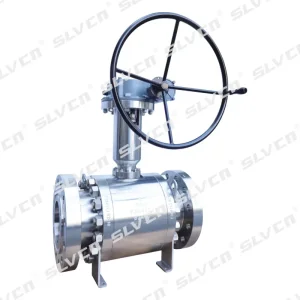
China 900LB Forged DBB Trunnion-Mounted Cryogenic Ball Valve Manufacturer, Suppliers
China Class300 Forged DBB Trunnion-Mounted Ultra-Low Temperature Ball Valve Suppliers, Factories
China Stainless Steel Twin Ball DBB Valve with Dual Manual Handles Manufacturer, Factory
High-Quality Twin Ball DBB Trunnion ‑Mounted Ball Valve with Worm Gear Supplier, Factories
OEM Reducing Flanged Twin Ball Double Block and Bleed Valve Suppliers, Factories
High-Quality Integrated Twin Ball DBB Valve with Dual Stems Manufacturers, Suppliers
OEM 1500LB Top Entry WCB Trunnion-Mounted Ball Valve Supplier, Factories
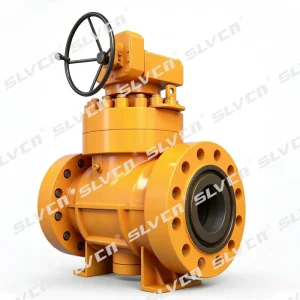
OEM Class 600 High-Temp & High-Pressure Metal Seated Top Entry Ball Valve Manufacturers, Supplier
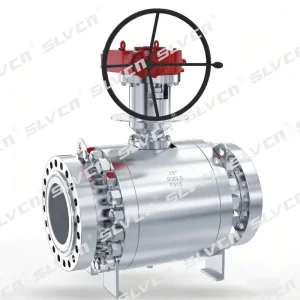
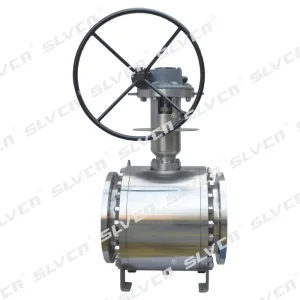
OEM Compact Cryogenic Trunnion Mounted Ball Valve with Worm Gear Manufacturer, Manufacturers
 Shoulong Valve