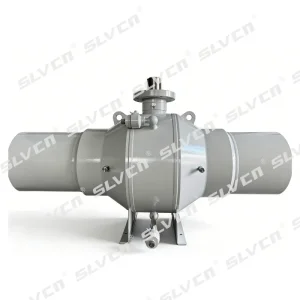
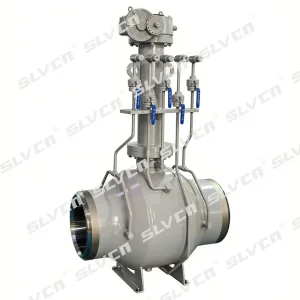
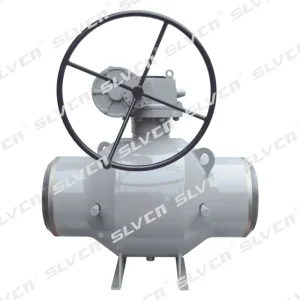
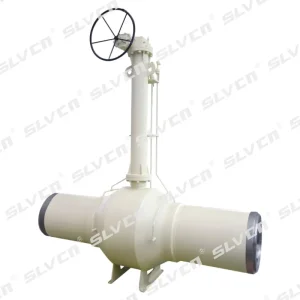
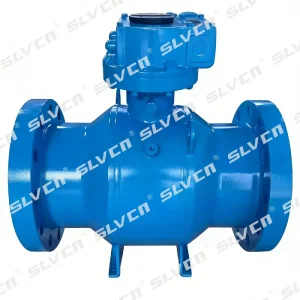
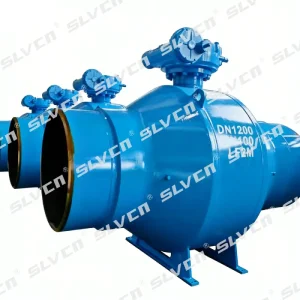
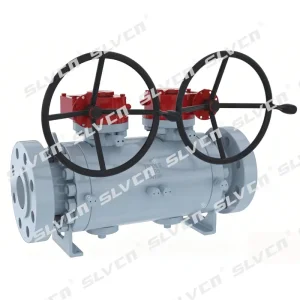
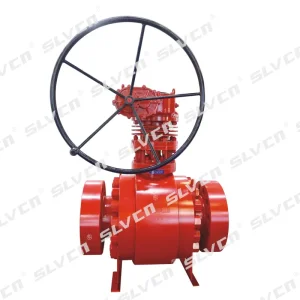
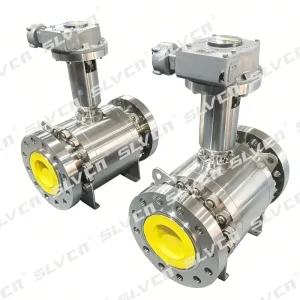
Pre-engineered class-leading fully welded ball valves customized with enhanced maritime corrosion coatings and high-performance trims for Indian Ocean marine corridors.
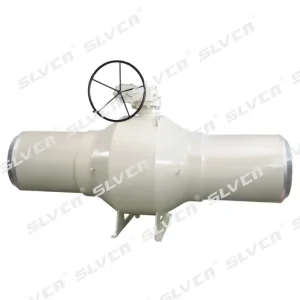
Deciphering the critical operating factors for fluid isolation in high-salinity island networks.
The Republic of Seychelles, an archipelago of 115 islands in the western Indian Ocean, presents a highly unique industrial environment. Heavy reliance on maritime import hubs, decentralized electricity production managed by the Public Utilities Corporation (PUC), and critical fuel supply chains governed by the Seychelles Petroleum Company (SEYPEC) require flow control products capable of operating with near-zero downtime. The island's geography demands mechanical installations that can withstand extreme environmental factors, primarily atmospheric salt mist, ambient relative humidity reaching up to 85%, and high UV index levels.
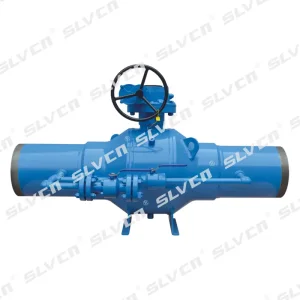
In municipal applications, desalination plants play an increasingly pivotal role in freshwater supply due to seasonal rainfall variations. High-performance flow control elements, specifically Fully Welded Ball Valves, are progressively replacing conventional split-body valve designs. The principal engineering driver for this migration is the elimination of external body joint leakage paths. Traditional bolted three-piece valves are highly susceptible to crevice corrosion along body-gasket interfaces under constant salt-spray conditions. Fully welded configurations form an uninterrupted, homogenous forged steel pressure envelope, protecting internal internals from corrosive maritime soil and seawater ingress.
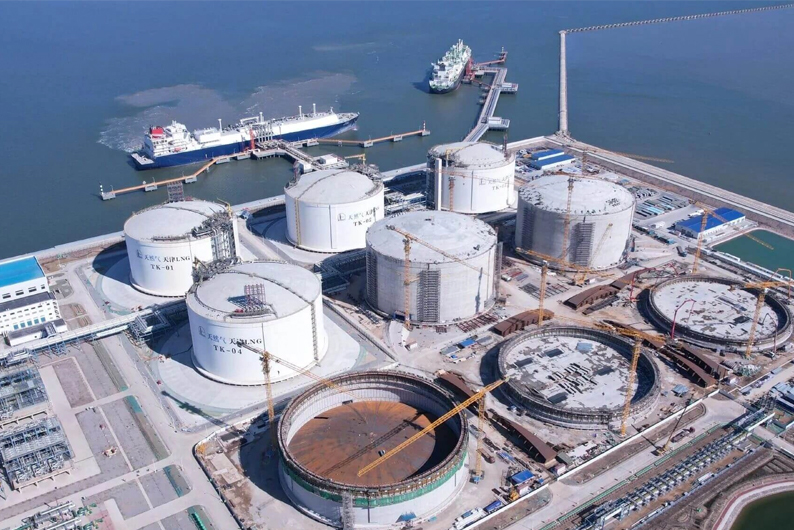
Furthermore, Port Victoria, the central logistics node of Mahé island, features significant marine bunkering and coastal fuel tank farms. Pipelines feeding these terminals operate near delicate marine ecosystems. A single pipeline failure would result in catastrophic environmental and economic impact on the tourism and fishing sectors. Our supply lines are focused on delivering API-6D certified, zero-leakage fully welded isolation valves that can be buried directly in coastal sand or installed in tidal areas with minimal monitoring, ensuring structural integrity for over 30 years of operational lifecycle.
Implementation of thick offshore coating systems (ISO 12944 CX rating) combined with internal cladding (ENP/Inconel 625 overlay) to prevent chloride-induced stress corrosion cracking.
Uninterrupted external profile allows simple outer protection wrapping. Coupled with stem extensions, valves can be buried directly to save high-value island real estate.
Engineered to meet ISO 15848-1 Class A standards, minimizing VOC emissions at port fuel transfer terminals and LPG bottling networks.
How SLVCN bridges global technical advancements with localized flow control systems.
Across the global energy and water infrastructure sectors, pipeline integrity rules have evolved. The international community, driven by European and Middle Eastern pipeline security directives, increasingly enforces strict guidelines on valve design. The transition from multi-joint bolted valves to fully welded configurations represents a major paradigm shift. For transport lines running near coastal zones, estuaries, or municipal drinking water reservoirs, standardizing on fully welded trunnion ball valves has become a regulatory mandate. Our design methodologies strictly follow API 6D, ASME B16.34, and BS 6755 standards, ensuring that every valve leaving our factory delivers equivalent safety indexes whether destined for mainland Europe or the remote islands of the Seychelles.
For double isolation requirements, our Double Block and Bleed (DBB) design combines two independent seating barriers and an intermediate bleed valve in a single fully welded valve body. This eliminates separate multi-valve configurations, reducing installation weight by up to 40% and flange connection leakage risks by 100%. In LNG/LPG and cryogenic services, we utilize specific extended bonnet designs that comply with BS 6364 to ensure the stem packing area remains warm enough to prevent ice formation and subsequent seal degradation. This level of customized engineering ensures that our products support critical infrastructure projects globally.
SLVCN is a premier valve manufacturer providing high-grade project-ready solutions globally.

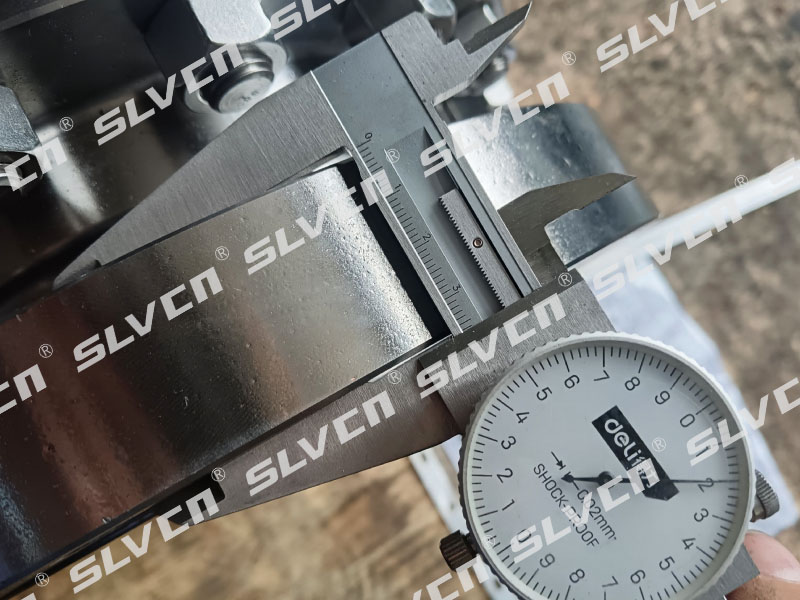
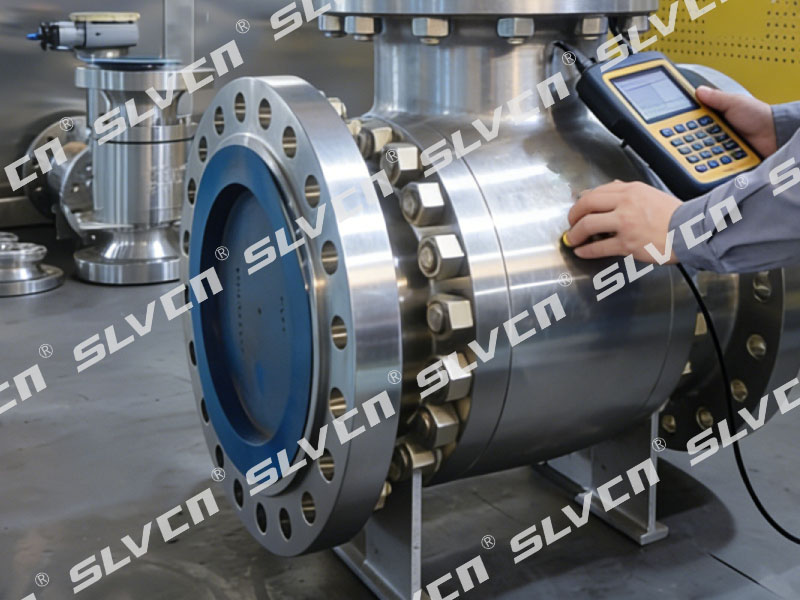
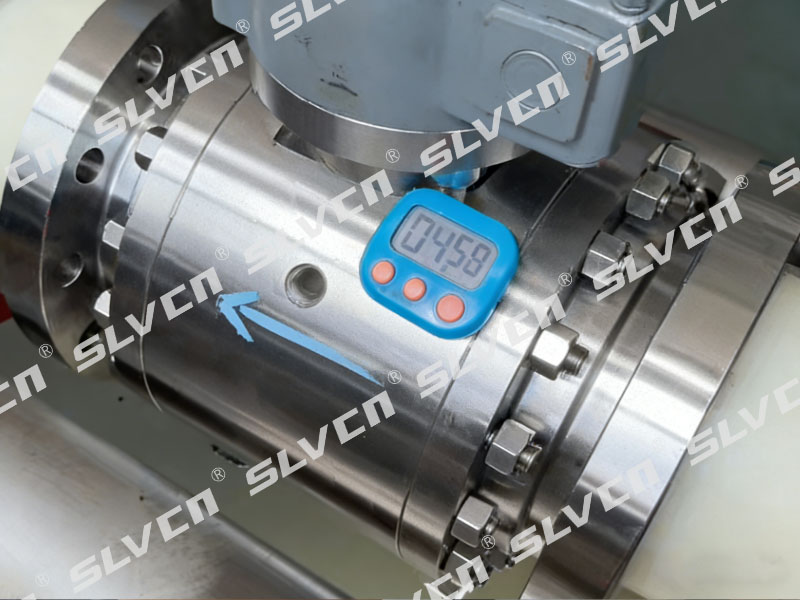
With over three decades of advanced forging and manufacturing expertise, SLVCN provides custom engineered solutions for pipelines, municipal networks, and marine bunkering terminals. Our valves undergo rigorous design validation, non-destructive testing (NDT), and zero-leakage hydrostatic verification in accordance with international safety standard regimes.
Our products serve critical installations across Europe, the Middle East, Southeast Asia, and island nations. Understanding the shipping logistics and environmental constraints of remote project locations, we provide pre-certified, packaged valve skids with all necessary certifications ready for immediate installation.
Connect with an Applications EngineerEnsuring compliance with local utility regulations and marine safety authorities.
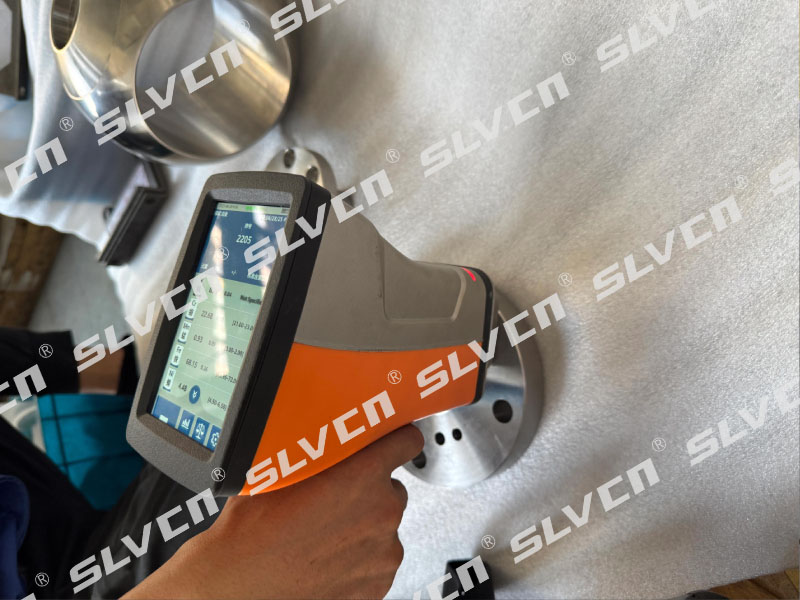
Every valve supplied to the Seychelles market comes with complete EN 10204 3.1 material traceability, certifying the chemical composition and mechanical properties of the forged steel pressure boundary. Design validation tests include:
We understand the logistical constraints of delivering heavy industrial goods to Indian Ocean ports. Our shipping solutions are engineered to ensure project timelines remain unaffected by transport delays:
Tailored flow control solutions engineered for critical local infrastructure.
For seawater intake pipelines on Mahé, Praslin, and La Digue. Constructed with Duplex Stainless Steel (ASTM A182 F51/F53) internal trims, preventing chloride pitting and crevice corrosion under high-velocity seawater flow.
Critical isolation valves at ship-to-shore fuel pipelines in Port Victoria. Fully welded DBB valves provide double containment barriers, allowing safe maintenance on active pipelines without stopping flow operations.
Engineered for fuel oil delivery to heavy generator systems at utility power stations. Fully welded forged steel bodies prevent thermal fatigue cracking caused by high ambient heat and vibration cycles.
Aligning with digital transformation and decarbonization targets in global flow control.
The global fluid engineering space is rapidly transitioning toward green energy and automated monitoring. SLVCN is at the forefront of this evolution by designing valves compatible with alternative fuels like hydrogen and ammonia. Fully welded structures provide a key structural advantage here: hydrogen molecules, with their high diffusivity, can easily leak through bolted body flanges. A single-piece forged body prevents atomic hydrogen escape, making our valves suitable for future clean fuel infrastructure.
In addition, we integrate smart diagnostic modules with valve actuator systems. Our heavy-duty electric and pneumatic actuators are compatible with digital protocols (Modbus, Profibus, HART), allowing remote asset management. Operations at distant storage depots or offshore platforms can monitor packing pressure, torque metrics, and cycle counts in real-time, moving maintenance from a scheduled activity to an automated, predictive task.
Direct technical explanations from our design office on fully welded ball valves.
Split-body valves utilize flange gaskets and bolts to hold body segments together. In marine coastal applications, salt-laden atmospheres enter crevice spaces, leading to localized crevice corrosion and structural load failure. Fully welded bodies eliminate body gaskets and bolting entirely, forming a single continuous metal enclosure that prevents body joint leaks and minimizes external dimensions.
DBB valves feature two independent seats (upstream and downstream) that seal the valve cavity when closed. The bleed valve permits release of accumulated fluid pressure within the body. This structure allows technicians to verify upstream bubble-tight sealing integrity while working downstream, protecting operators and preventing cross-contamination in fuel bunkering pipelines.
We recommend high-performance liquid or fusion-bonded epoxy (FBE) coatings engineered to ISO 12944 CX atmospheric exposure classification. Additionally, internal fluid contact surfaces can be lined with Electroless Nickel Plating (ENP) or clad with Inconel 625 overlay to protect the base forged steel (ASTM A105N or A350 LF2) from galvanic corrosion.
Yes. Our valves feature standard ISO 5211 mounting pads, allowing direct integration with multi-turn or quarter-turn pneumatic, hydraulic, or electric actuator systems. We supply fully calibrated automated packages with limit switches, solenoids, and positioners from top-tier global brands.
Complete product classifications engineered for heavy-duty industrial and municipal infrastructure development.
Talk to our technical engineering team for customized calculations, dimension drawings, material certifications, and shipping logs directly to Victoria.
Send Inquiry Now Shoulong Valve